Photogaleries

JAVELIN (FGM-148) anti-tank missile gallery
javelin1
At the beginning of the 1980s, the US Army realized that its primary anti-tank weapon, the M-47 Dragon missile, would become obsolete within a few years and initiated a new program for its replacement. In 1983, the AAWS-M (Advanced Anti-Tank Weapon System—Medium) requirement was launched, and in 1986, the development phase of technical demonstrators began, with the participation of Ford Aerospace, Hughes Aircraft Missile System Group, and Texas Instruments. This initial development phase concluded in 1988, and in June 1989, it was announced that a joint venture formed by Texas Instruments and Martin Marietta had been awarded a full-scale development contract. From that moment on, the AAWS-M program was designated FGM-148 Javelin.
javelin18
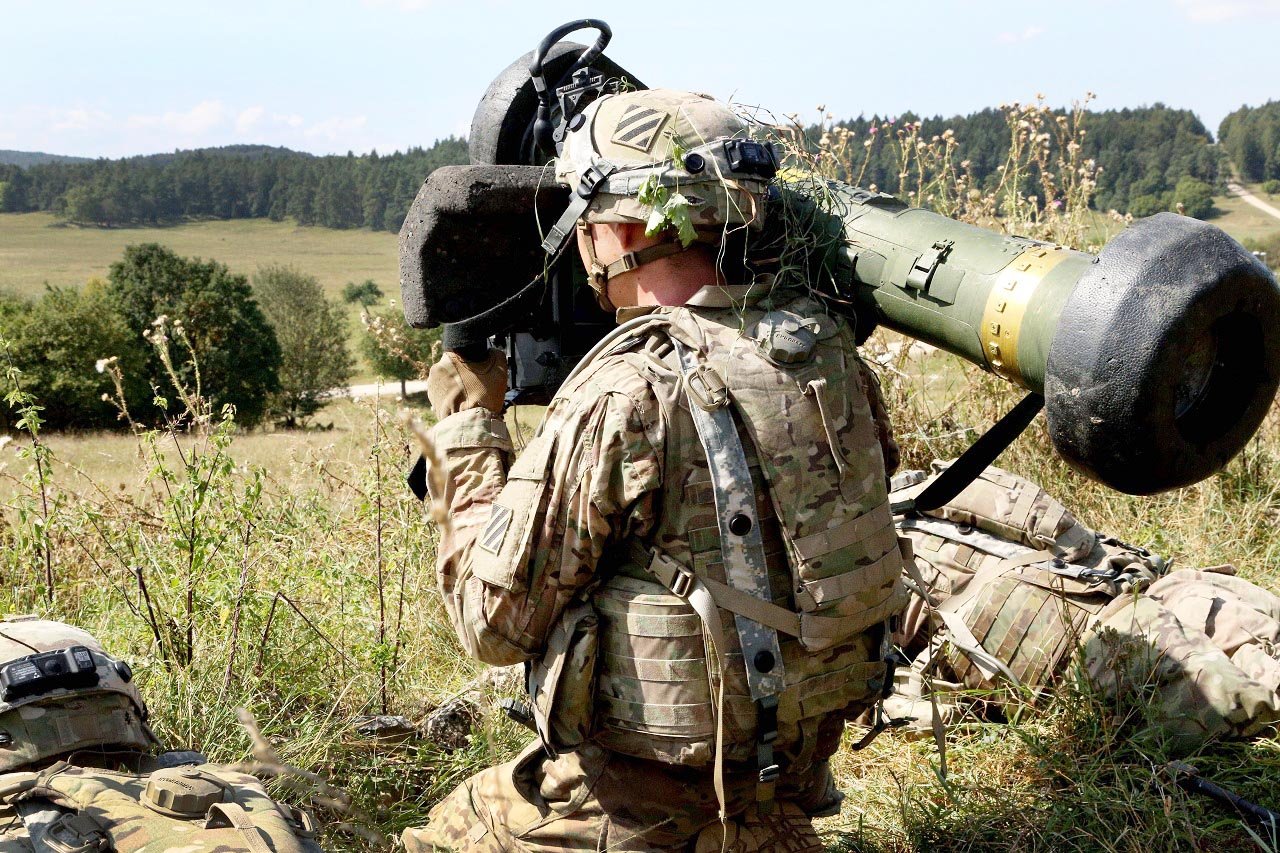
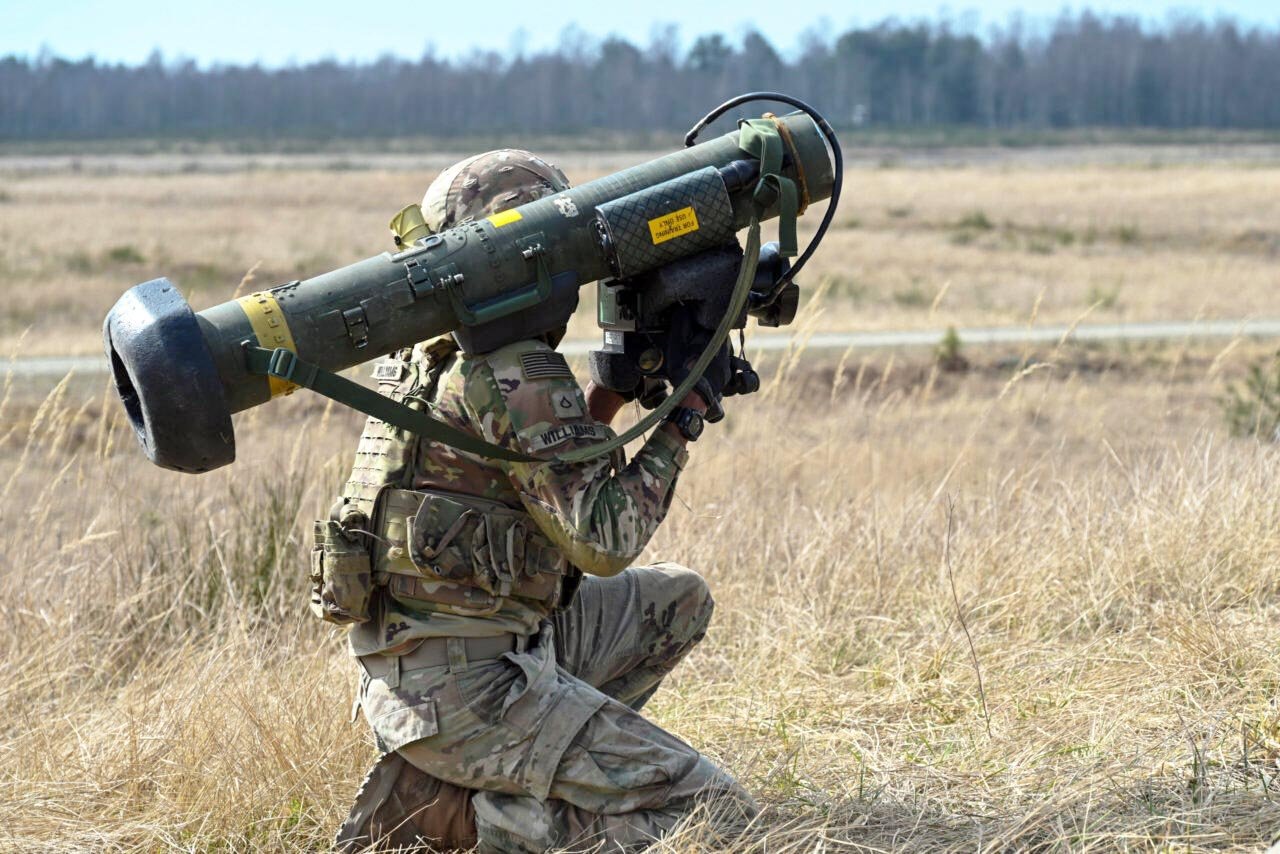
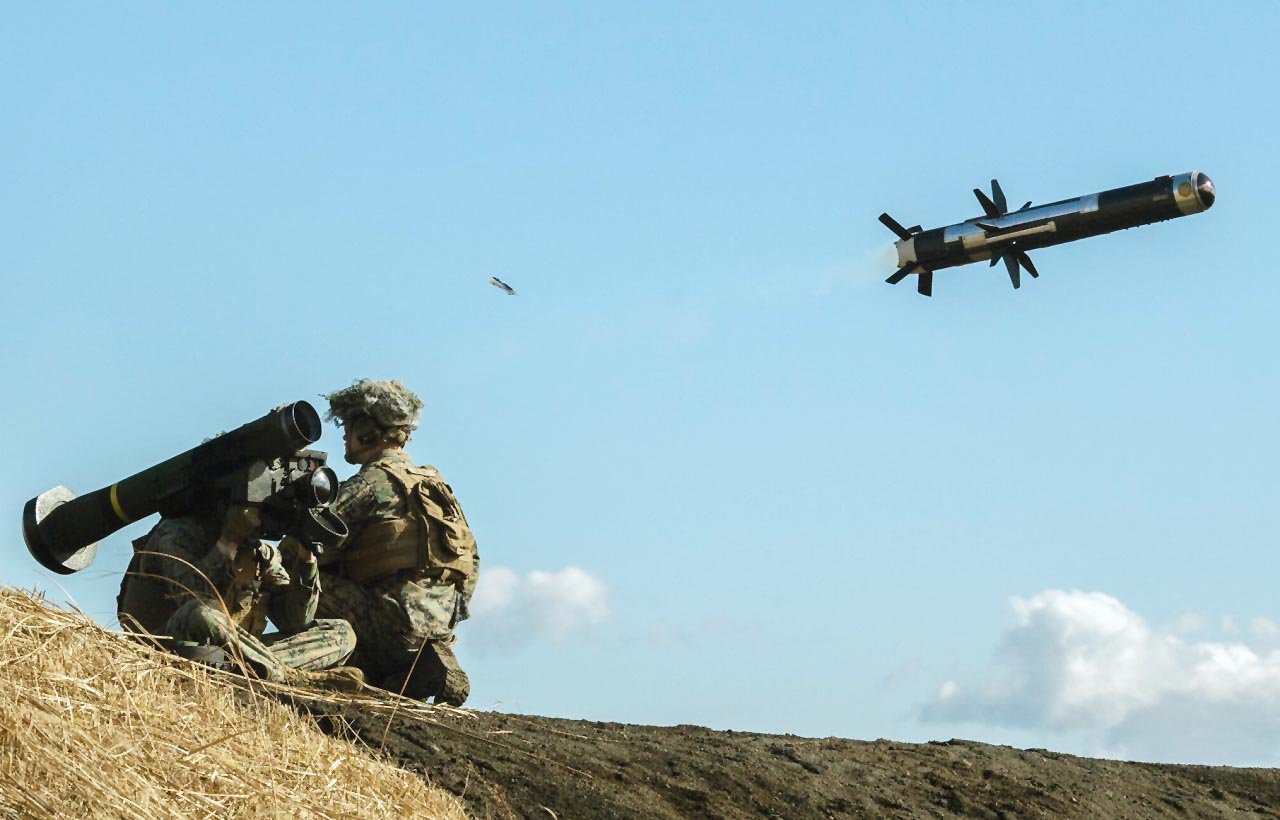
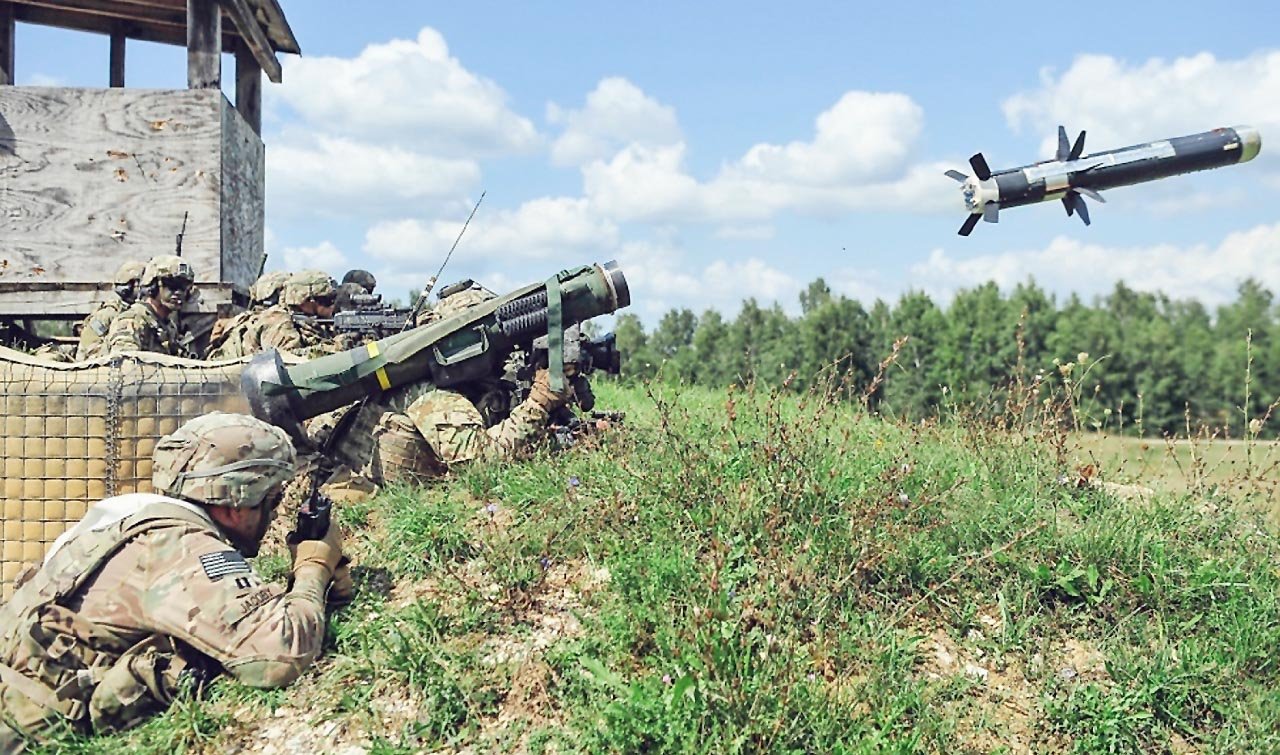
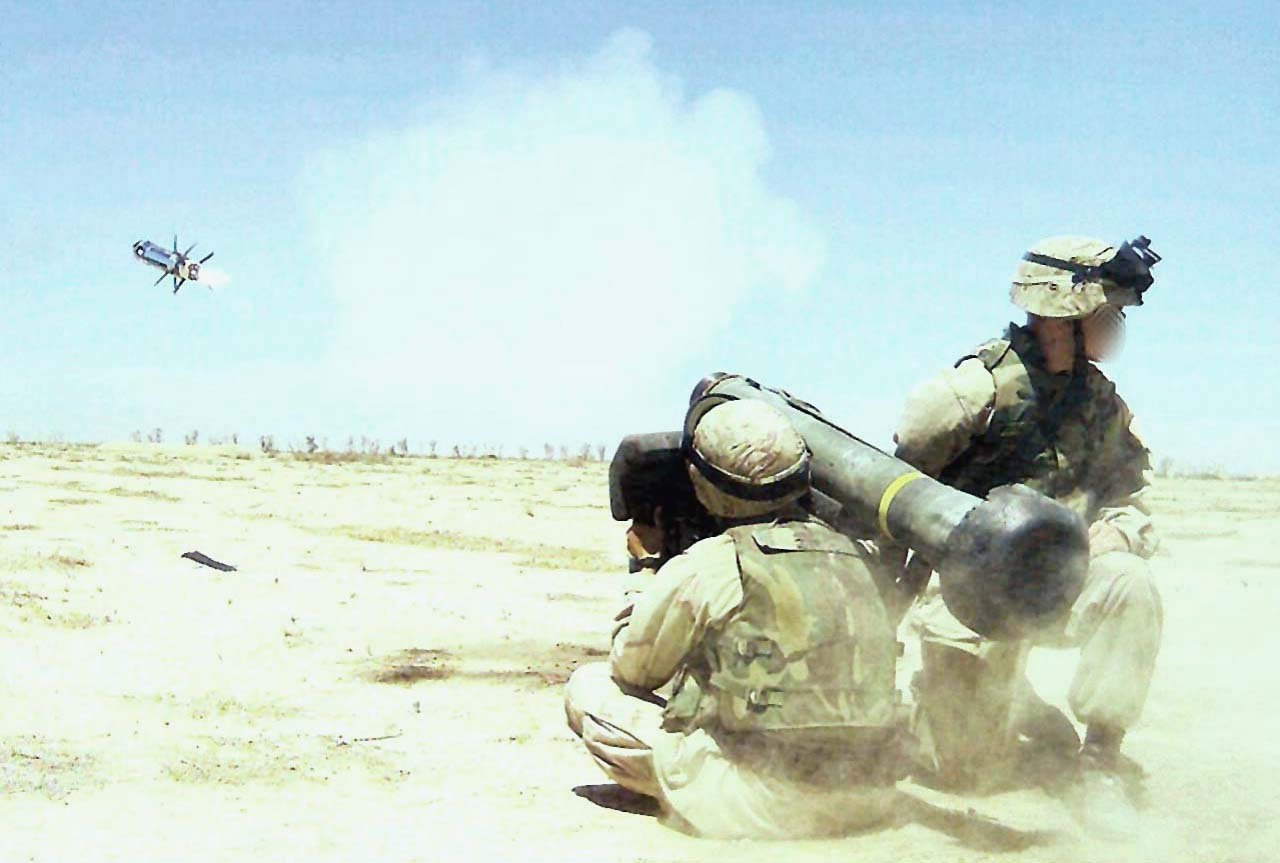
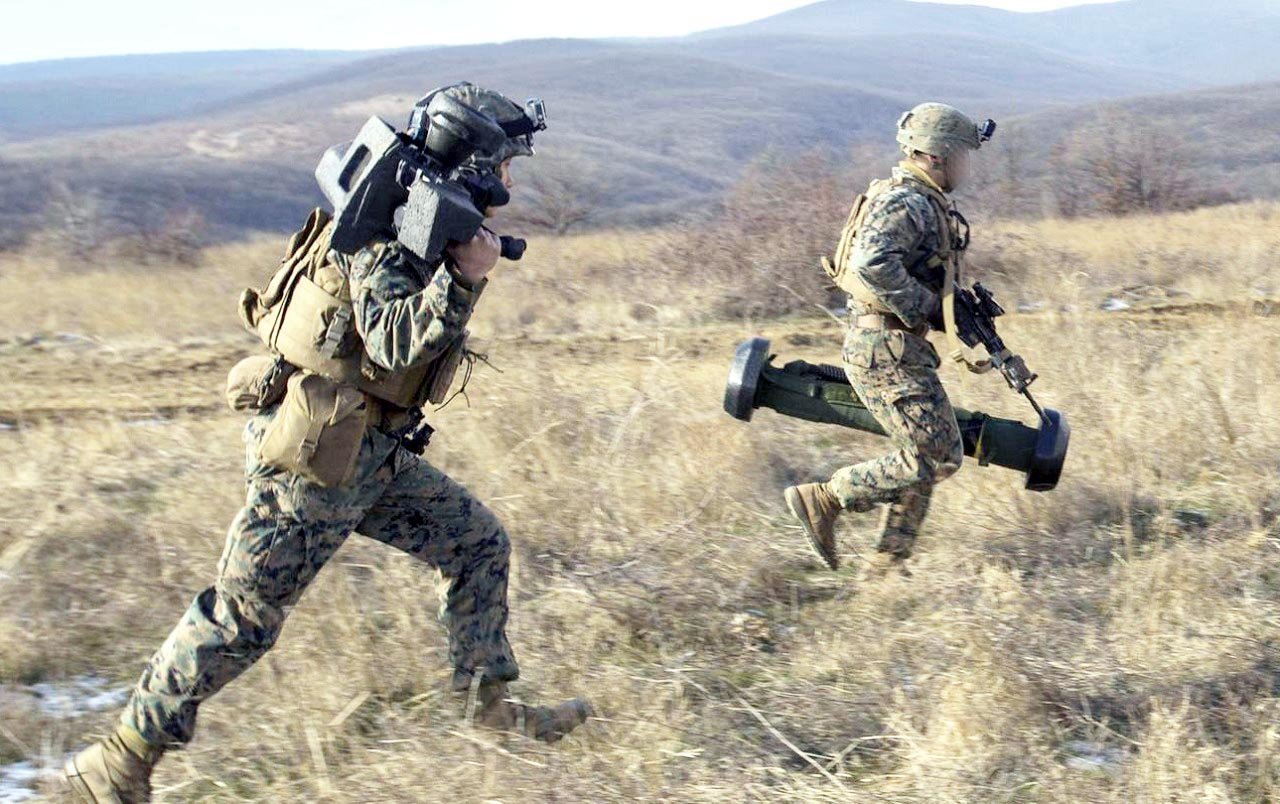
The FGM-148 Javelin is a missile with characteristics similar to the French Akeron MP or Russian 9M133 Kornet, with top-down attack capability, a tandem shaped hollow charge warhead against ERA-type armor, a lock-on before launch system, and automatic self-guidance, among other features. It is normally operated by two operators: the gunner, who is responsible for aiming and firing, and the ammunition bearer, who is responsible for searching for targets, securing the firing area from potential threats, and keeping the missile’s launch backblast clear. It has also been designed to minimize operator exposure by featuring a “soft launch” system, in which the missile is ejected from the tube before igniting the main rocket motors at a safe distance from the operator.
javelin21
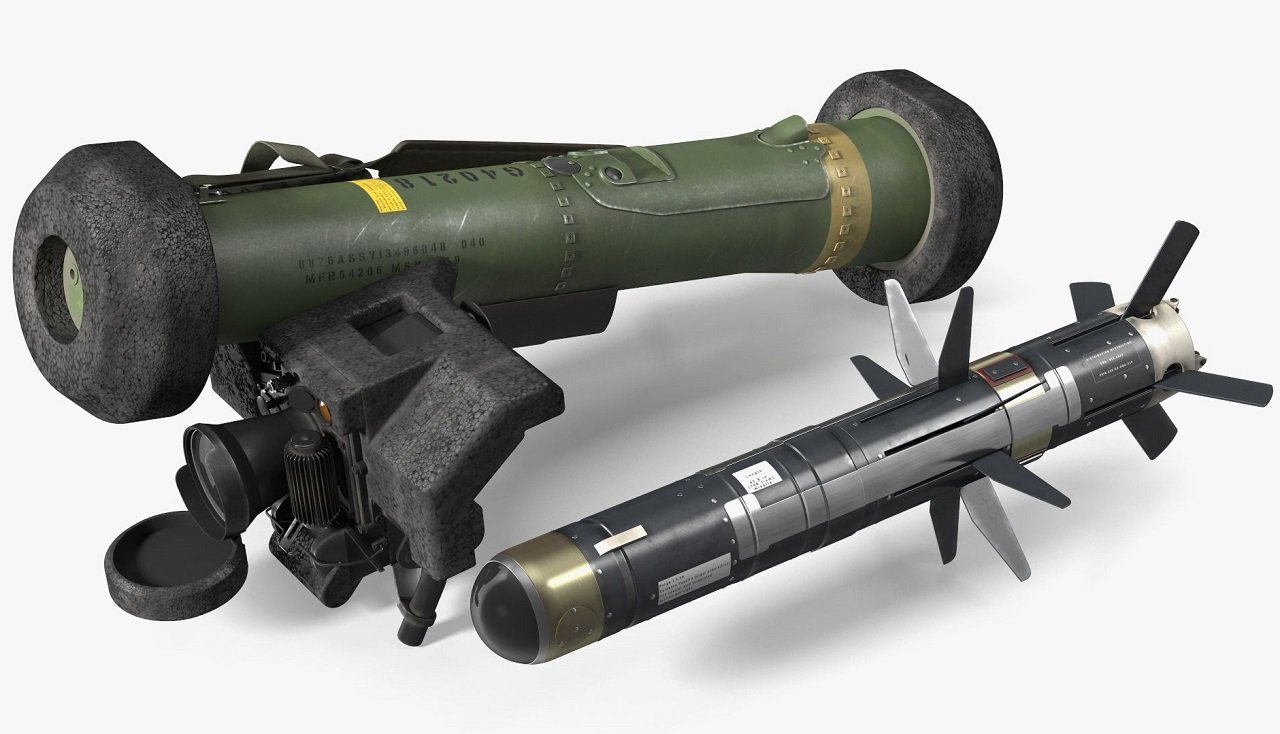
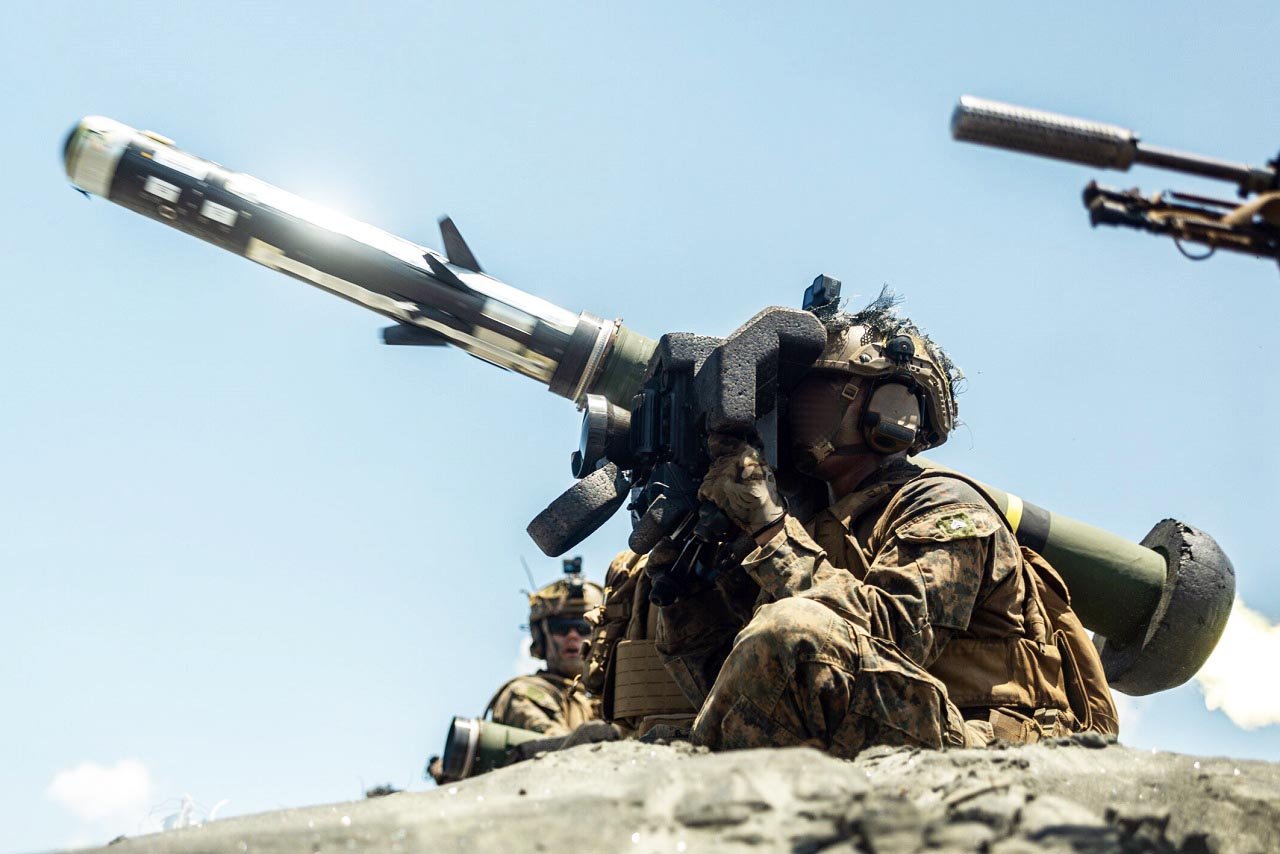
FGM-148 Javelin is a lightweight and easy to use system suitable for use by infantry units and consists of three main elements: the missile, the Launch Tube Assembly, and the Command Launch Unit (CLU). The Launch Tube Assembly is a disposable tube that houses the missile and primarily protects it from impacts and environmental exposure. It also incorporates various electronic components and the system for attaching and detaching it to the Command Launch Unit for firing. This assembly measures 1.20 meters in length, weighs between 15.5 and 15.9 kg, and has a caliber of 142mm.
javelin23
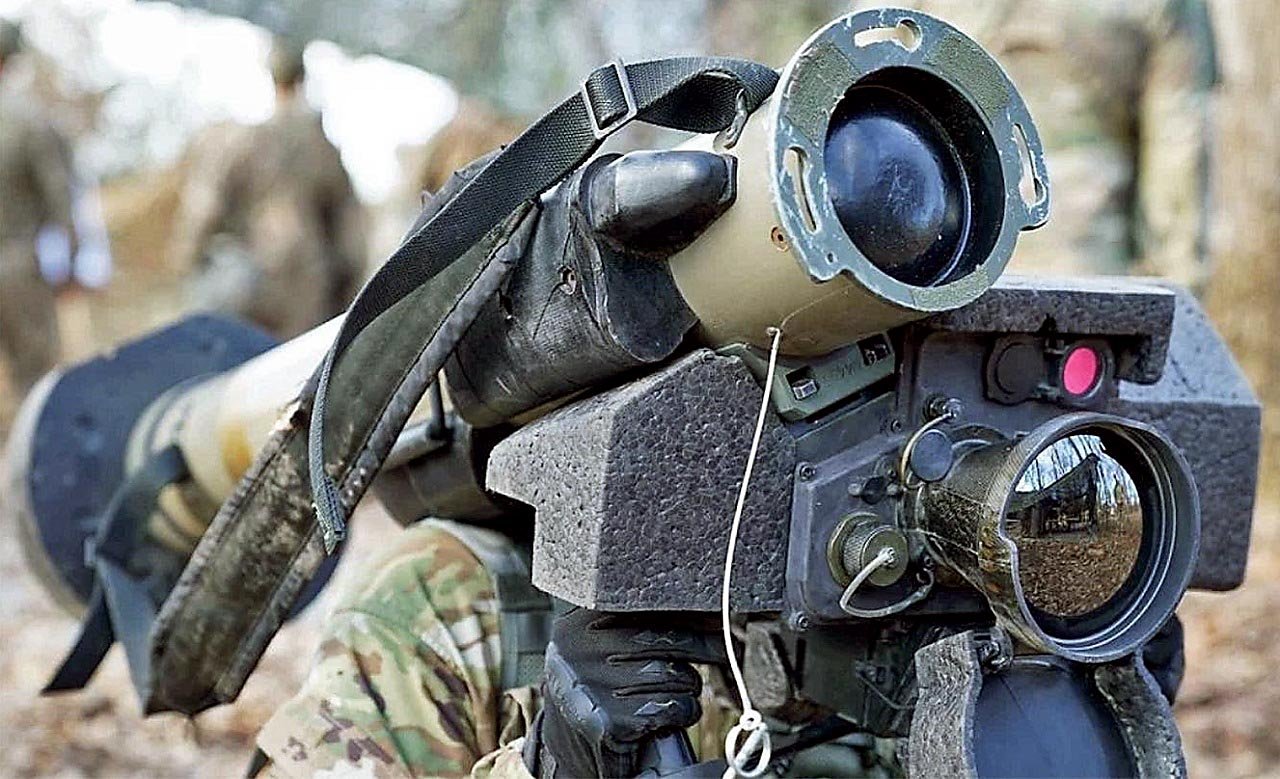
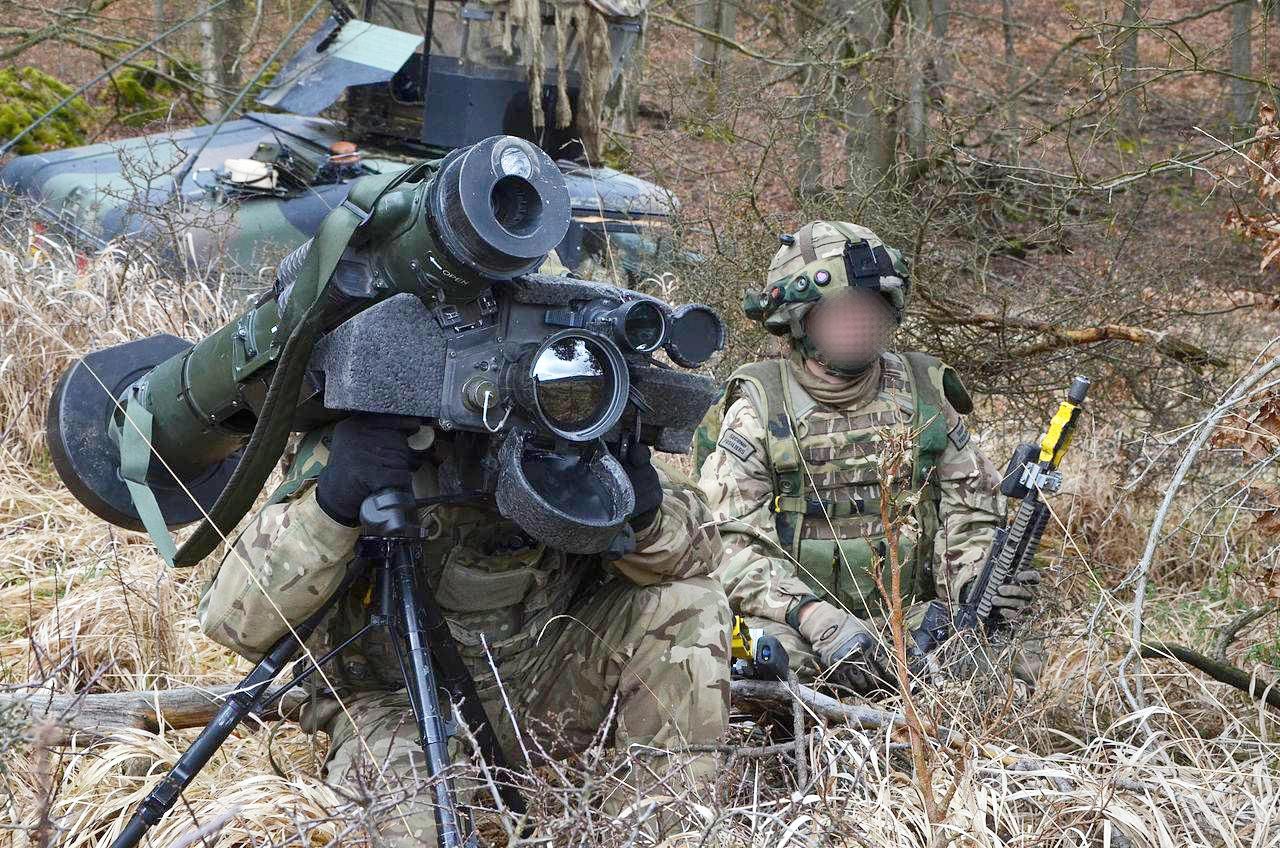
The command launch unit (CLU) is a reusable element used to aim and fire the missile and is controlled from two control sticks located one on each side of the visor, at the ends of the CLU. It weights 7.0 kg and features a thermal sight that can be used independently for reconnaissance purposes, providing complete autonomy for operators. This thermal sight has three selectable view types: a 4X magnification day view, a 4X magnification night view or “wide field of view” (WFOV), and a 12X thermal sight or “narrow field of view” (NFOV).
javelin8
The 4X magnification day view is used during daylight operations. The 4X magnification night view, or wide field of view (WFOV), is the primary view used and shows the operator a thermal image of the observed area. This sight is used to detect hidden troops and vehicles thanks to its ability to detect infrared radiation, which is used to identify and designate the target to be destroyed. The CLU has a small cooling system to increase the sensitivity of the thermal sight.
javelin16
The 12X thermal sight or “narrow field of view” (NFOV) is used for correct target identification. The operator then pulls one of the CLU’s control triggers, activating another view called “seeker FOV,” that is a 9x magnification thermal view used to select the target. Once selected, the gunner selects the guidance/firing mode, and the information is passed from the CLU to the missile via the launch tube’s connections. If the target is identified, the second trigger is pulled, which “locks” the target, and the shot is fired after a couple of seconds.
javelin12
The third and final element of the FGM-148 system is the missile, which weighs 11.80 kg, measures 1.08 meters in length, and has a caliber of 127 mm. The missile can be divided into three main parts: a guidance section, a warhead, and a propulsion section. All these parts are housed within a casing or body, equipped with various flight control elements such as eight fixed wings at mid-body and four movable tail fins. The guidance system occupies approximately one-third of the front section, the warhead is located in the middle of the missile, and the propulsion system is located in the rear third.
javelingb
(British Javelin image). The guidance section is primarily composed of a seeker and a tracker. The seeker has an autonomous IR imaging system connected to the tracker, allowing it to steer toward the target without having to be directed by the operator (fire and forget). Once the target is selected, the seeker will steer toward it autonomously thanks to the focal plane array (FPA) image sensor system, the cooling and calibration system and the stabilization system. The seeker is mounted behind a transparent dome that allows it to detect long-wave infrared radiation, which generates an image of the target through the FPA. This image is sent to the missile’s tracker as a video frame to be compared with the image initially defined by the operator. Using algorithms, the tracker is able to direct the missile toward the target even if the image obtained by the seeker changes during flight.
javelin17
Once in flight, the missile can modify its trajectory using its four movable tail fins. The flight phase consists of three phases: an initial phase after firing, a mid-flight or cruise phase, and the terminal phase, where the tracker selects the most effective impact point. If “top attack mode” is selected, the missile will fly at a higher altitude toward its target and dive before impact. If “direct attack mode” is selected, the missile will fly at a lower altitude directly toward the target. Top attack mode is especially recommended for “hard targets” such as main battle tanks. The Javelin features a “soft launch” firing system, like the Akeron MP missile, which ejects the missile from the tube using a small launch motor before the main engines ignite, allowing its use in confined spaces. The missile has two booster motors and a safety mechanism that includes a pressure release system that prevents the missile from exploding if it becomes stuck in the tube due to a malfunction.
javelin7
The missile carries a HEAT (high-explosive anti-tank) tandem shaped hollow charge warhead capable of destroying vehicles equipped with explosive reactive armor (ERA). This tandem warhead is composed of two shaped charges of different sizes. The first, smaller, serves to detonate reactive armor, whether in the form of bricks or tiles, opening the way to the main armor, which is attacked by the second charge, which is much larger and capable of penetrating it. It has a rate of fire of 2 per minute per CLU and is a very easy to use system, as according to the manufacturer, any soldier is qualified to operate it after a 72-hour training course.
javelin11
Since its entry into service in 1996, the Javelin has been constantly improved, giving rise to numerous variants. The original missile was designated the FGM-148A, followed by the B variant with minor improvements. In 1999, the C variant appeared, with improvements mainly in the seeker area, receiving the designation “Block 0.” The D variant is the export model. In 2006, the “Block 1” variant appeared, faster and with improved lethality. Shortly after, the “Block 1 CLU” variant appeared, with enhanced identification and surveillance capabilities. Some experts indicate that this variant is the same as the FGM-148E. In 2013–2014, another variant called “Spiral 1” was developed, in which certain components were modified to reduce weight and cost. Production began in 2017. In 2020, a new variant with a multi-purpose warhead (MPWH) designated FGM-148F or “Spiral 2” began production. The latest known variant is the G variant or “Spiral 3”, which features a new launch tube assembly and battery, as well as a new cooling system in the guidance section.
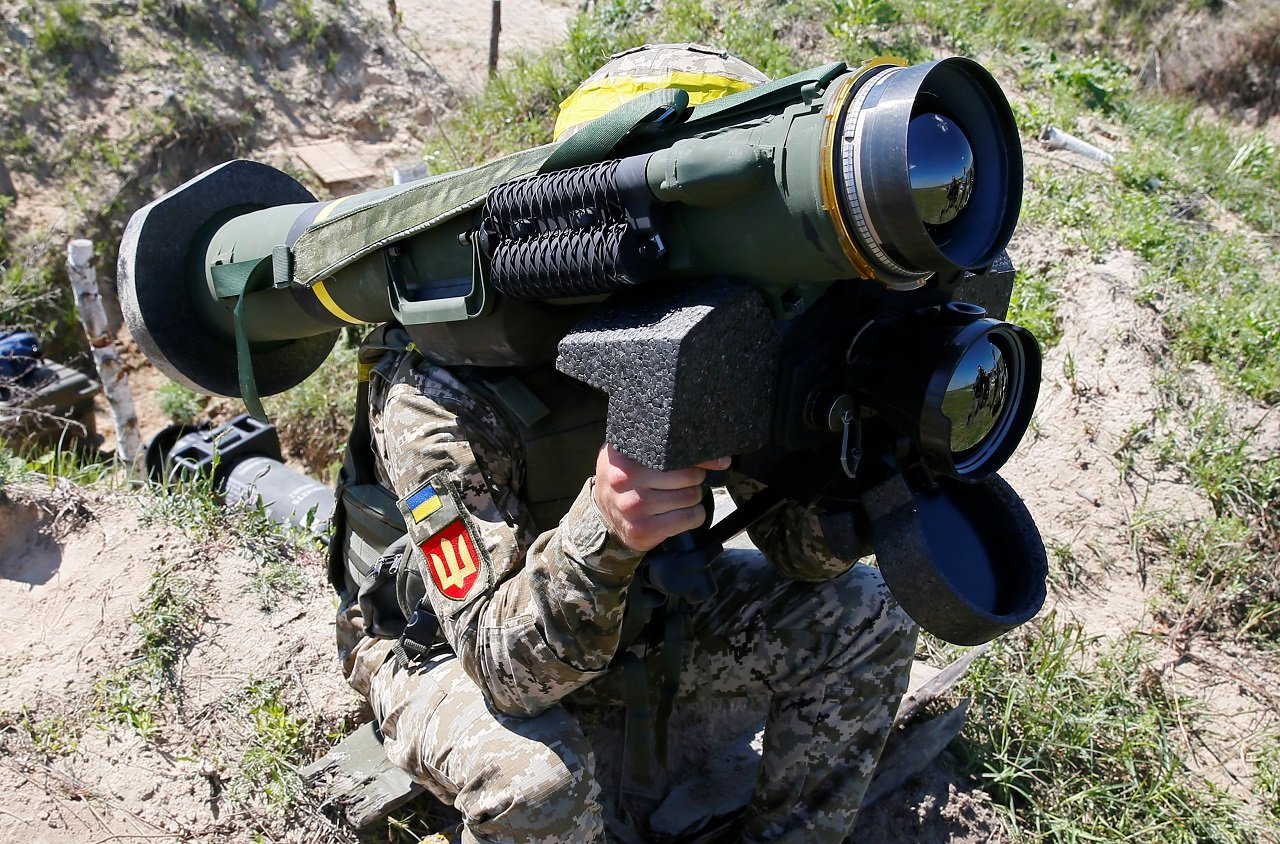
javelinukr
(Ukrainian Javelin image). The Javelin received its baptism of fire in the 2003 invasion of Iraq, then saw deployment in the War in Afghanistan, the Syrian Civil War, and most recently in the 2022 Russian invasion of Ukraine. Russian troops appear to have captured an unknown number of these missiles, one of which was sent to Iran for testing. According to the manufacturer, more than 5,000 combat firings had been carried out prior to the fighting in Ukraine, and the missile had proven its reliability with an operational readiness rate of 99% and an engagement success rate of 94%.
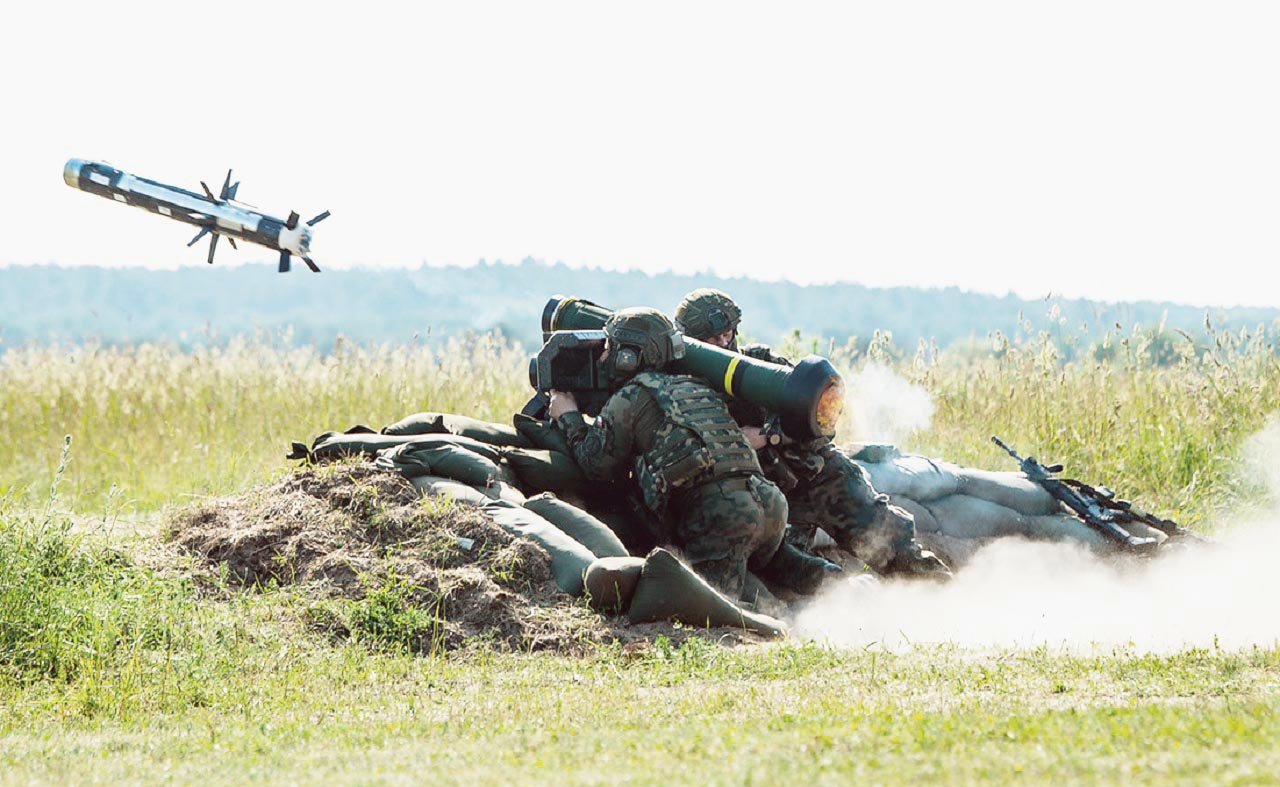
javelinpol
(Polish Javelin image). The Javelin has been a huge sales success and is currently in service in some 25 countries, and is being approved and evaluated in at least another dozen. By 2024, more than 55,000 missiles and 10,000 command launch units (CLUs) had been manufactured. These figures have obviously increased dramatically due to the situation in Ukraine. Manufacturers have had to increase production from 2,400 in 2023 to the planned 3,960 by 2026, and even this increase will not be able to meet the high demand generated.

Related posts