Photogaleries

R-360 NEPTUN gallery
neptun11
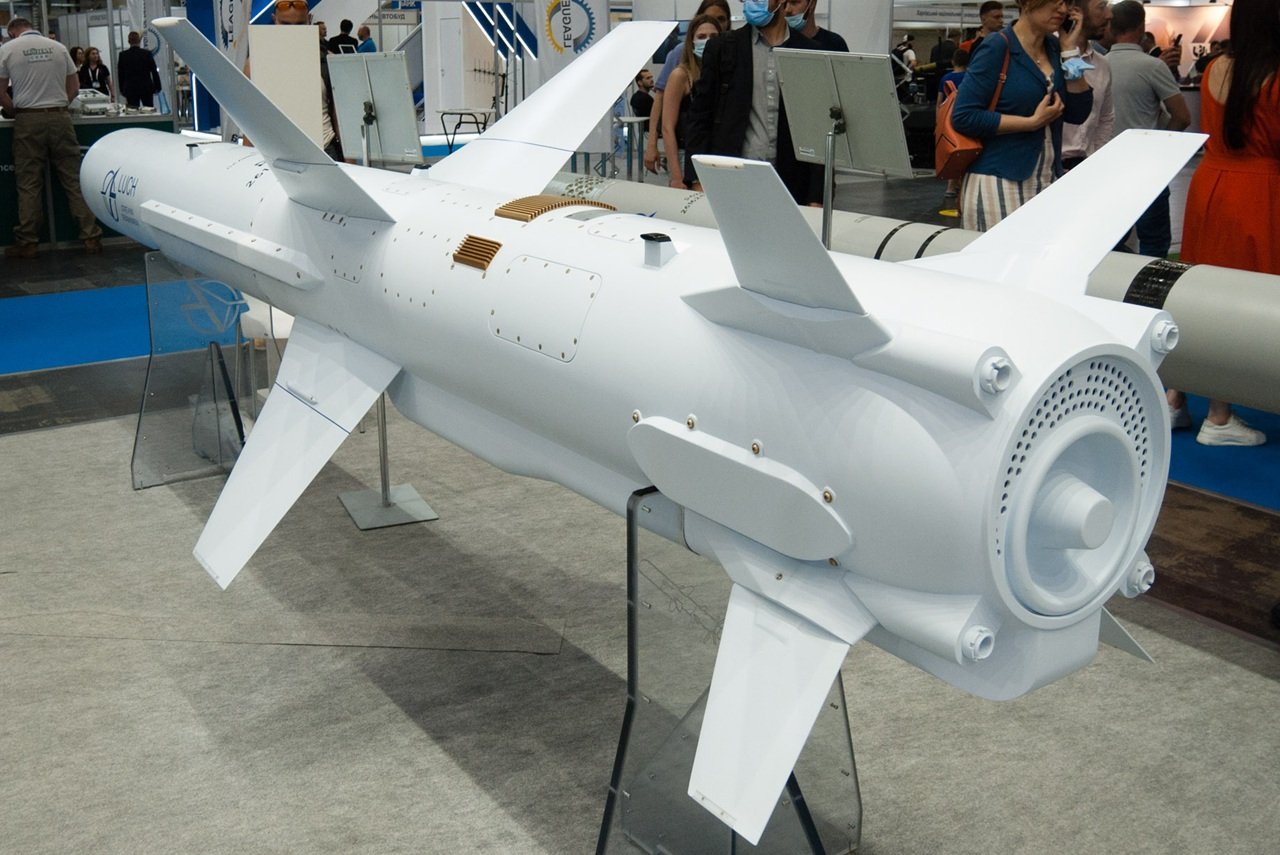
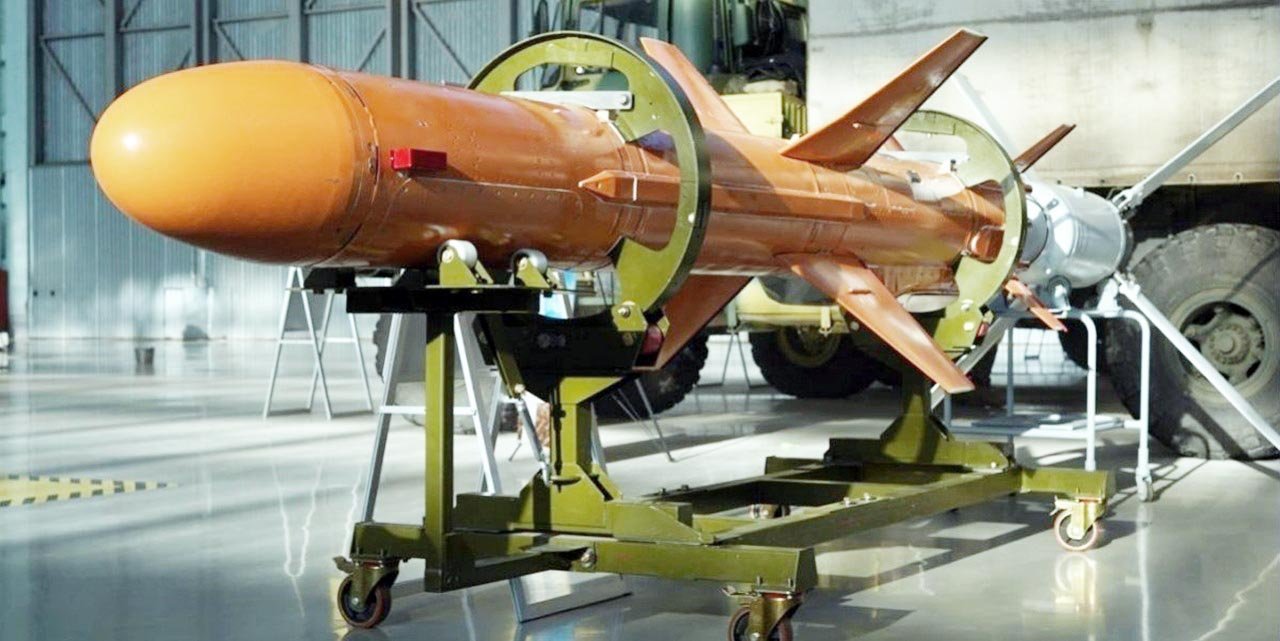
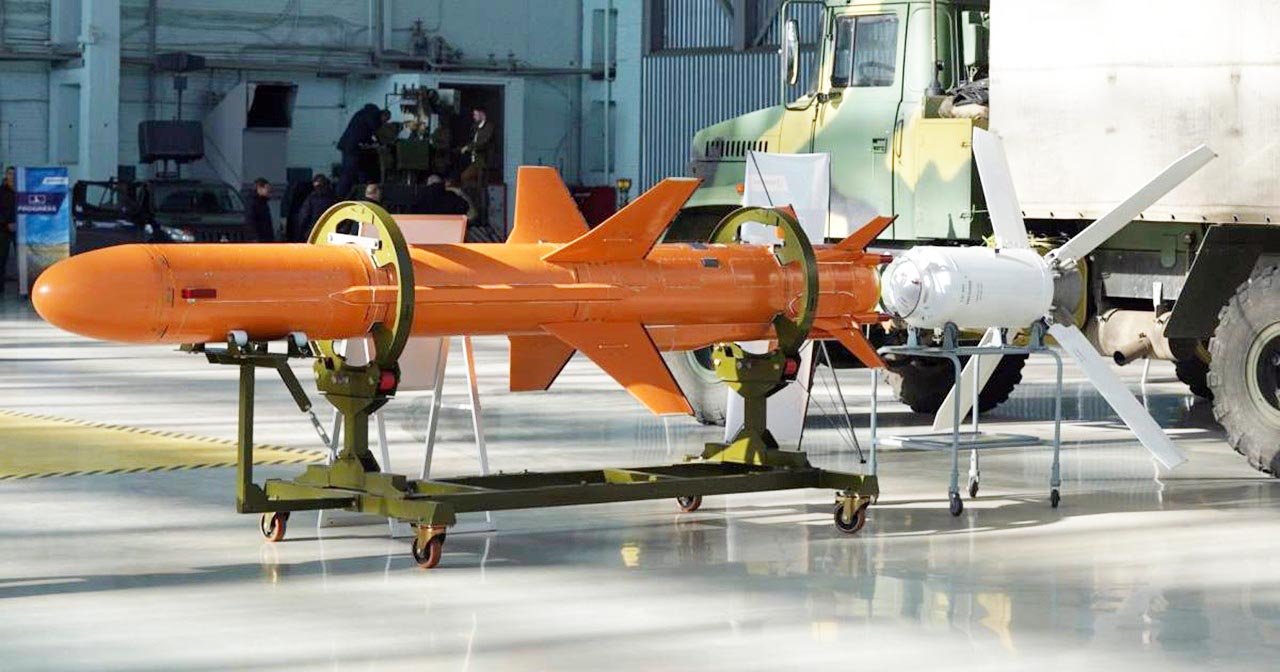
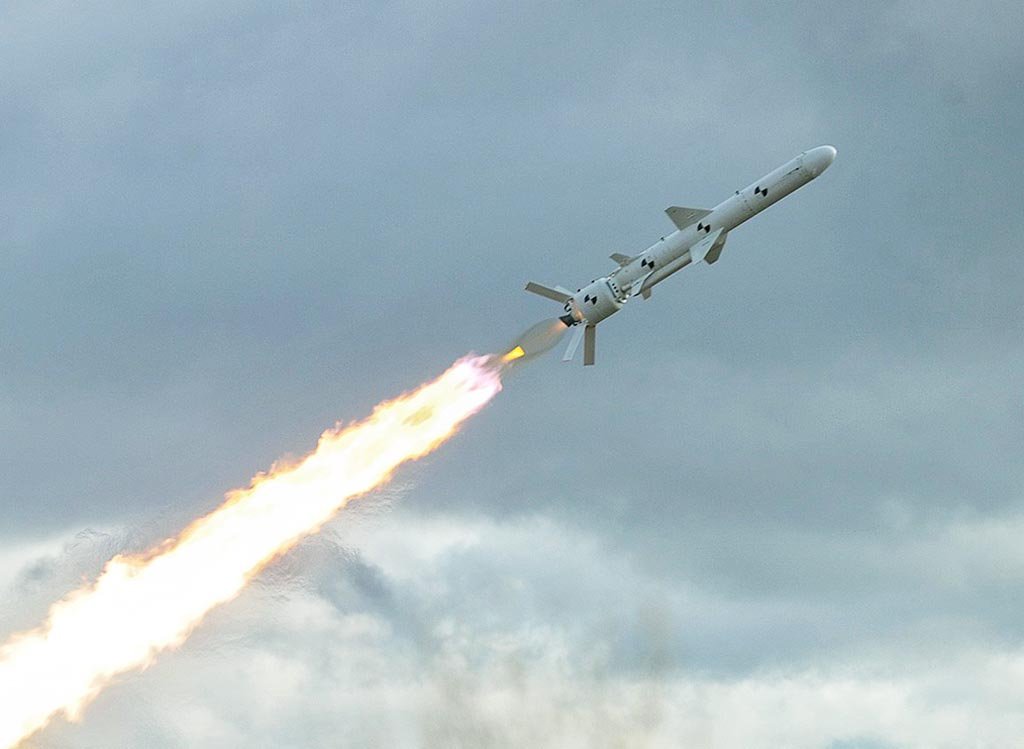
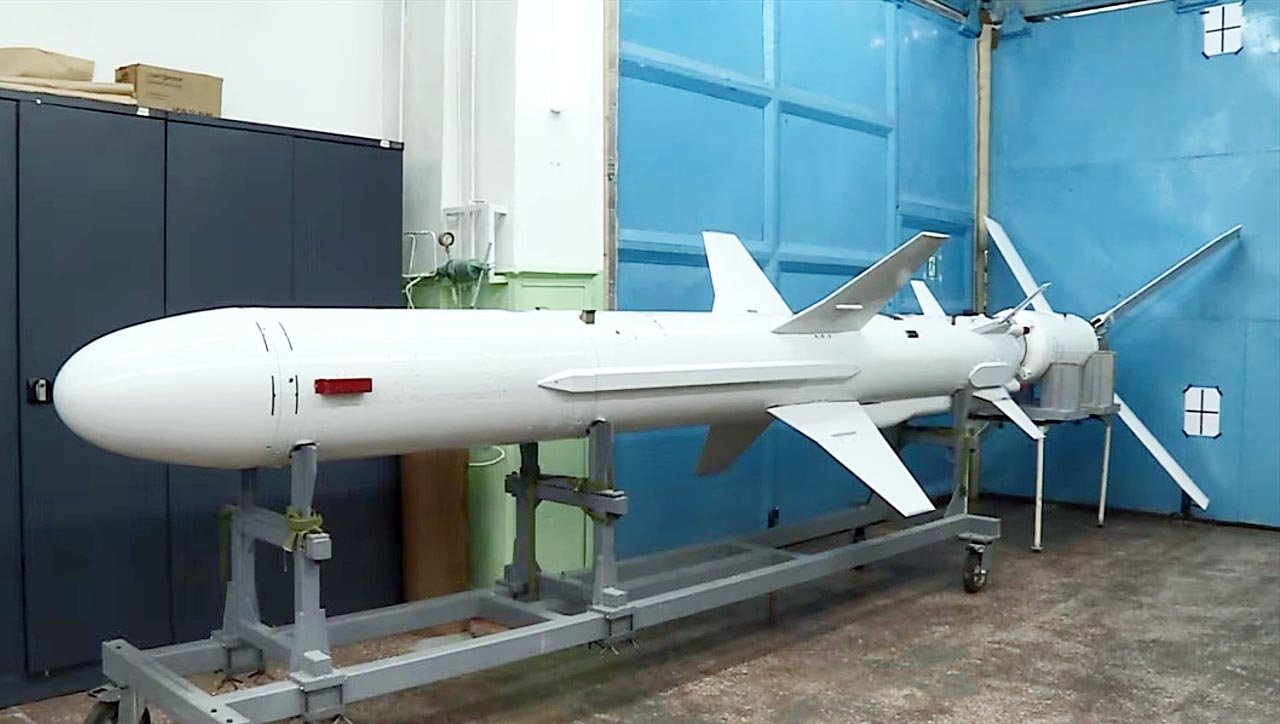
(R-360 Neptun missile image). Following Russia’s annexation of Crimea in 2014, Ukrainian authorities realized they lacked the necessary weapons to repel potential Russian landings or even prevent blockades of their ports. This situation led to the development of a new anti-ship missile capable of being launched from air, naval, and land platforms. It was decided to use the Soviet Kh-35 Zvezda (Kh-35) anti-ship missile as a base, modifying its electronics and improving other capabilities such as the guidance system and warhead.
neptun5
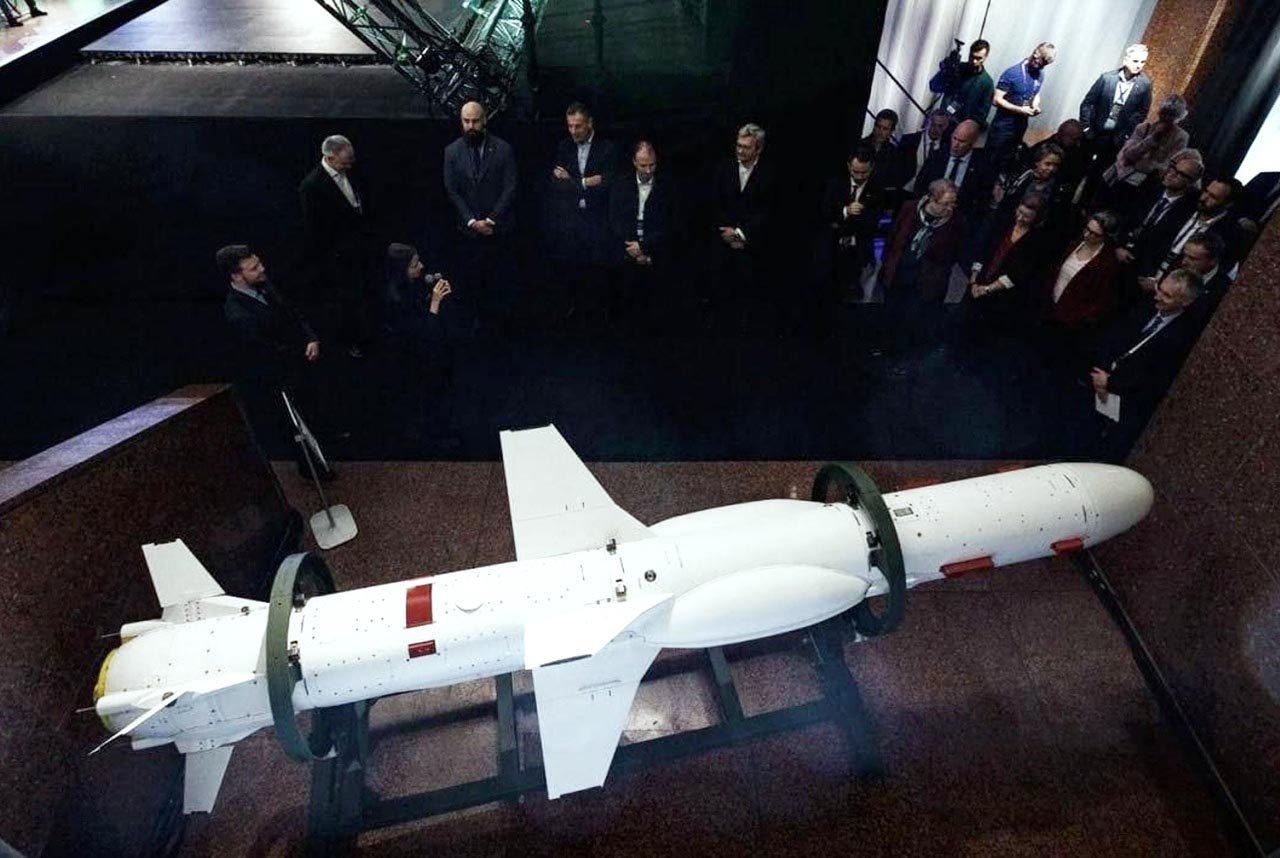
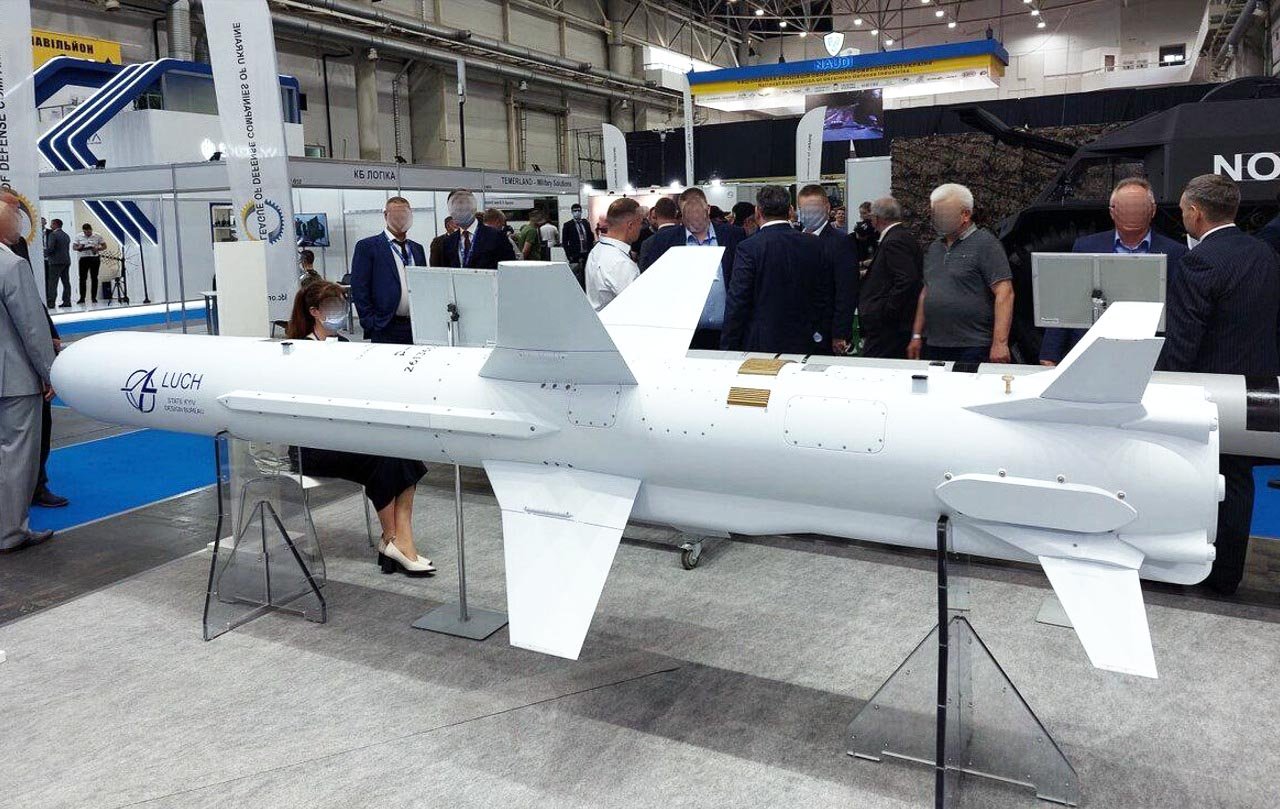
(R-360 Neptun missile image). The design was carried out by the Ukrainian firm Luch Design Bureau, but the development and manufacture involved a number of Ukrainian companies, including Arsenal SDP SE, which handled the navigation system; Motor Sich, responsible for the turbofan engine; Radionix, responsible for the seeker system; and others firms such as Artem Luch and ZhMZ Vizar Kyiv. The design phase began in 2014 and, and the missile was publicly presented at the 12th International Specialized Exhibition “Arms and Security 2015,” held in Kyiv from September 22 to 25. The missile was named “R-360 Neptun” and externally is quite similar to the American AGM-84 Harpoon, although the manufacturer claims that its performance is superior to that of the American missile.
neptun4
(R-360 Neptun missile image). Initial testing began in March 2016, and by mid-2017 the missile was integrated into Vilkha launchers, similar to those used on the BM-30 Smerch multiple rocket launcher. Testing continued, and in January 2018, the first successful flight tests took place. A few months later, in August, the first firing tests were conducted, successfully hitting a target 100 km away.In April 2019, further firing tests were conducted, and the missile again successfully hit various targets at different distances. Additionally, the first trials of the R-360 Neptun integrated within the RK-360MC Neptun coastal defense ground-based complex took place during this period.
neptunbattery2
(RK.360MC NEPTUN battery image). Testing continued, with modifications made to the starting engine, wings, fins, navigation system, and seeker device. On August 23, 2020, the R-360 Neptun was adopted by the Ukrainian Armed Forces, who expected to receive the first missiles by the end of that year. Finally, in March 2021, the Ukrainian Navy received the first RK-360MC Neptun systems to begin training its coastal defense units, with the first batallion/division becoming operational in April 2022. Following this first operational unit, it was decided to activate a second unit, which was to be ready by the end of 2022 or the beginning of 2023. According to some reports, the development cost of the RK-360MC Neptun system was around $40 million, a negligible amount compared to similar Western systems.
neptun9
(R-360 Neptun missile image). The original R-360 Neptun variant is just over 5 meters long, weighs 870 kg, and is equipped with a 150 kg high-explosive (HE) warhead. It has a range of 280 km and a maximum speed of approximately 900 km/h. The initial requirements indicated that the new missile should be capable of destroying ships with a displacement of up to 9,000 tons in any weather condition thanks to its active radar homing and low-altitude terminal flight. The Neptun was designed to be launched from naval, air, and land platforms, although to date it has only been deployed with the RK-360MC Neptun complex coastal defense system.
neptun7
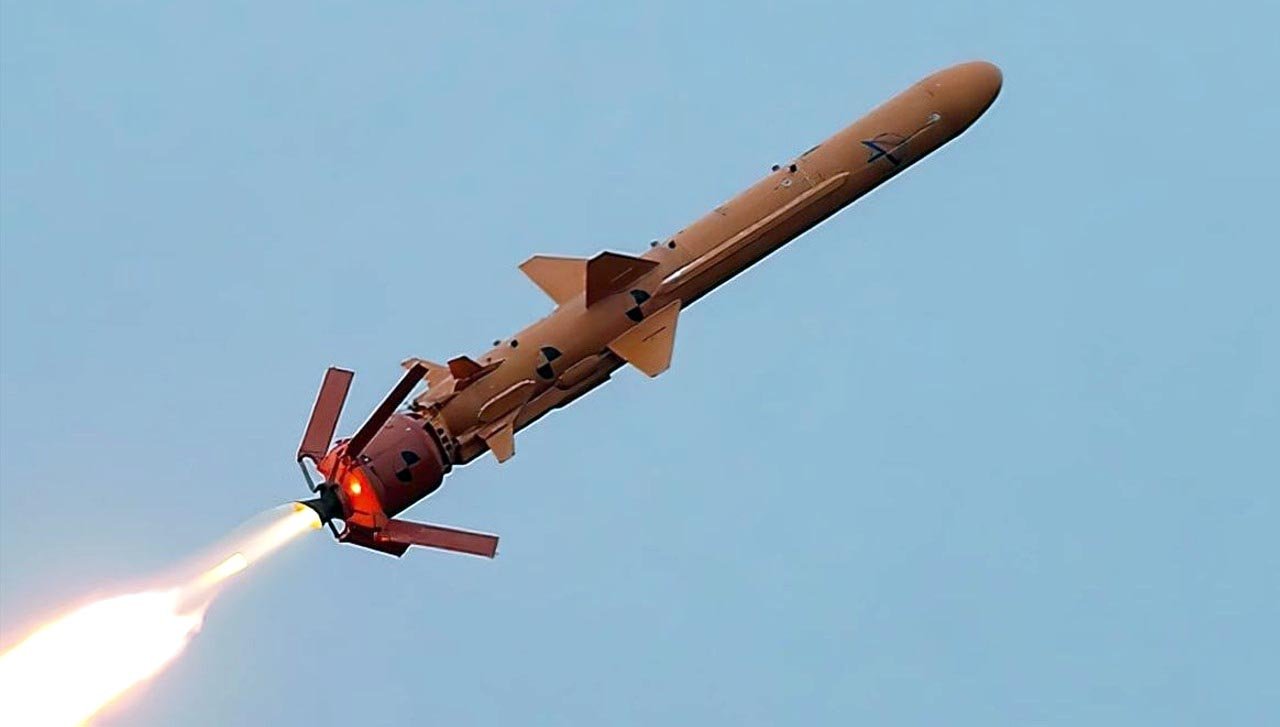
(R-360 Neptun missile image). At launch, the missile consists of two parts: the missile itself (casing/fuselage) and a solid-fuel booster rocket mounted at its rear. This booster rocket is the same as that of the S-125 Neva/Pechora (SA-3 Goa) surface-to-air missile. The missile fuselage houses the warhead at the front, followed by the guidance and flight control elements in the middle section, with the propulsion engine located at the rear. The R-360 Neptun is equipped with a Sich MS400 turbofan engine that develops a maximum thrust of 3.96 kN (2,114 hp) and propels it during cruise flight. The guidance system is inertial with satellite correction for the approach flight, having an active radar homing device to detect and attack the target. This latter device is capable of detecting targets at an angle of ±60°, far superior to that of many anti-ship missiles, including the Harpoon.
neptun2
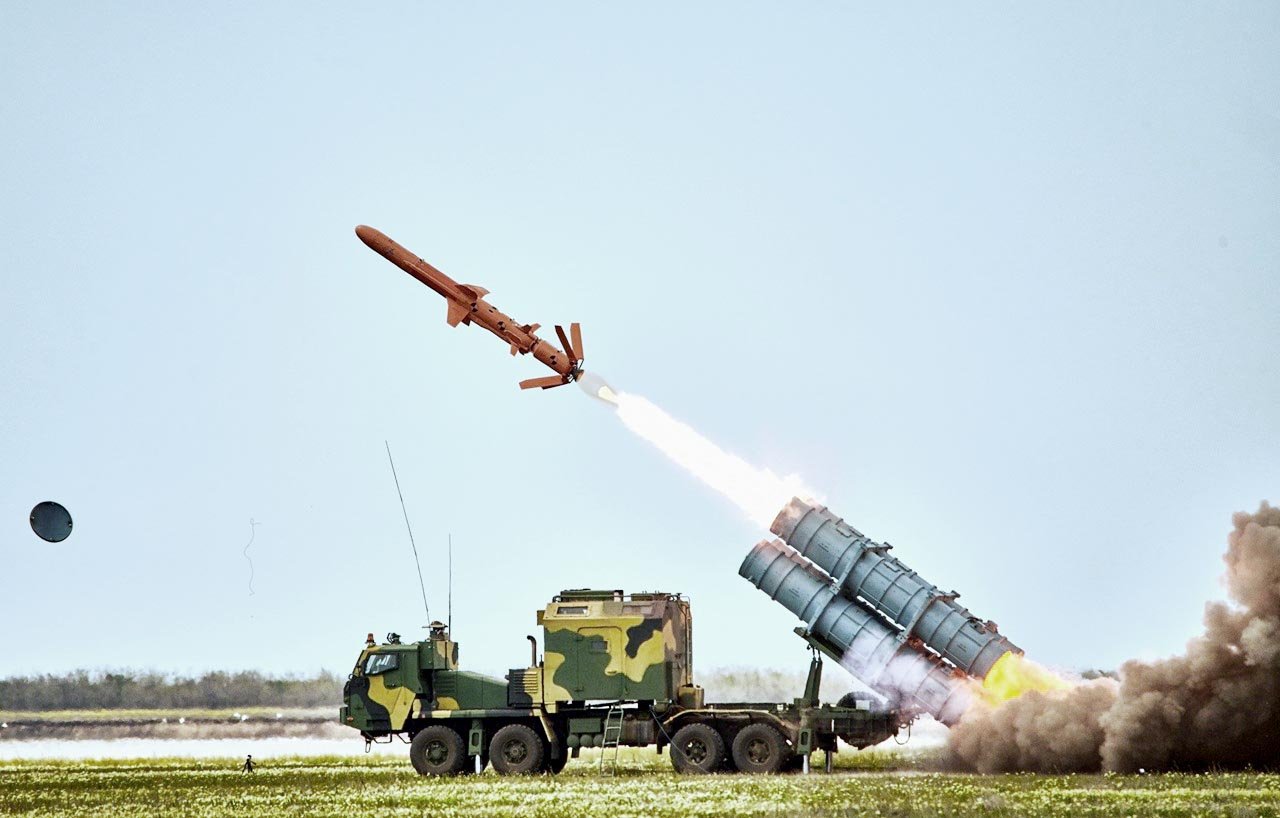
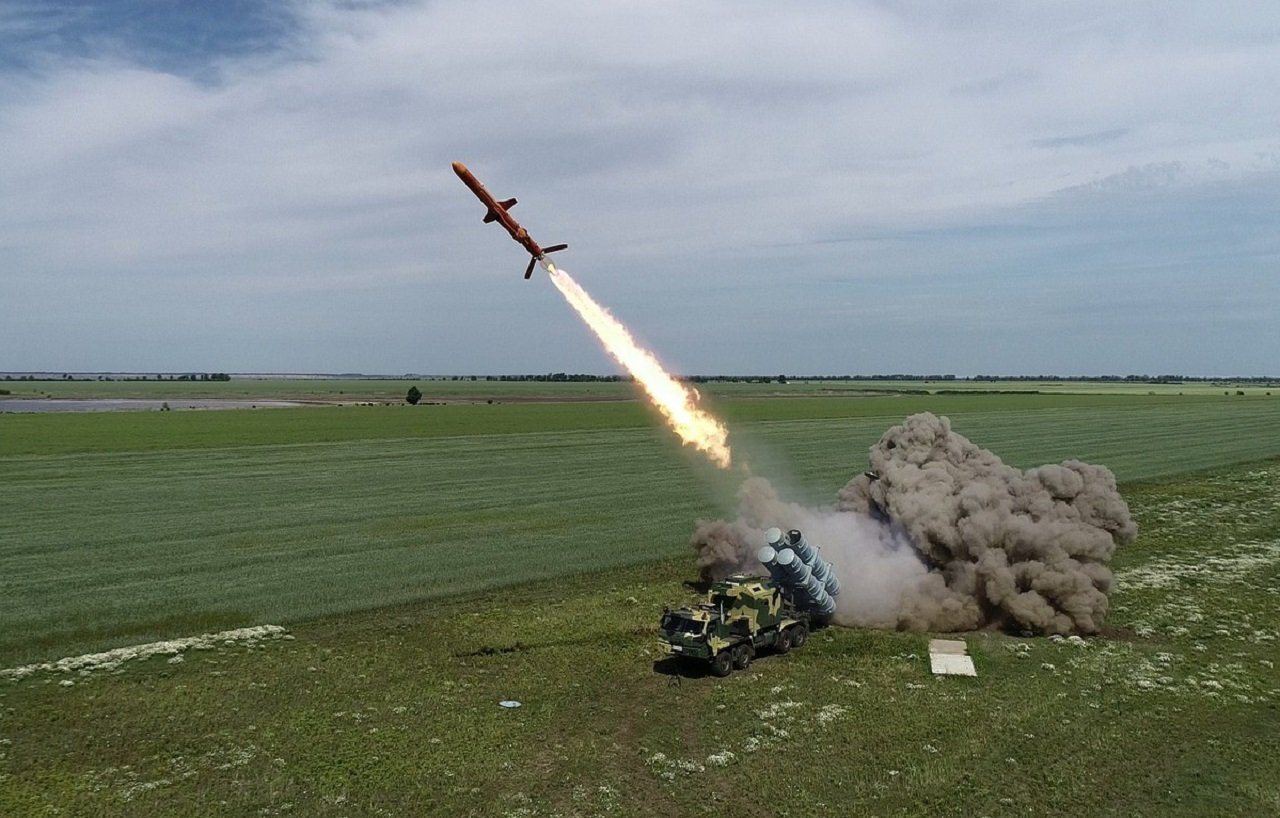
(R-360 Neptun missile image). The firing sequence for the RK-360MC Neptun coastal defense missile is as follows: After launch, the booster rocket ejects the missile from the tube and accelerates it for the first few seconds, after which it separates from the missile once its fuel is depleted. Then the turbofan engine activates, and the autopilot, following the pre-programmed flight path, guides the missile at an altitude of approximately 30 meters, climbing to 200-300 meters when it is about 50 km from the target. At this point, the seeker device activates to acquire the target, and once locked on, the missile descends to fly the final kilometers skimming the waves before reaching its target.
neptunbatteryproto20192
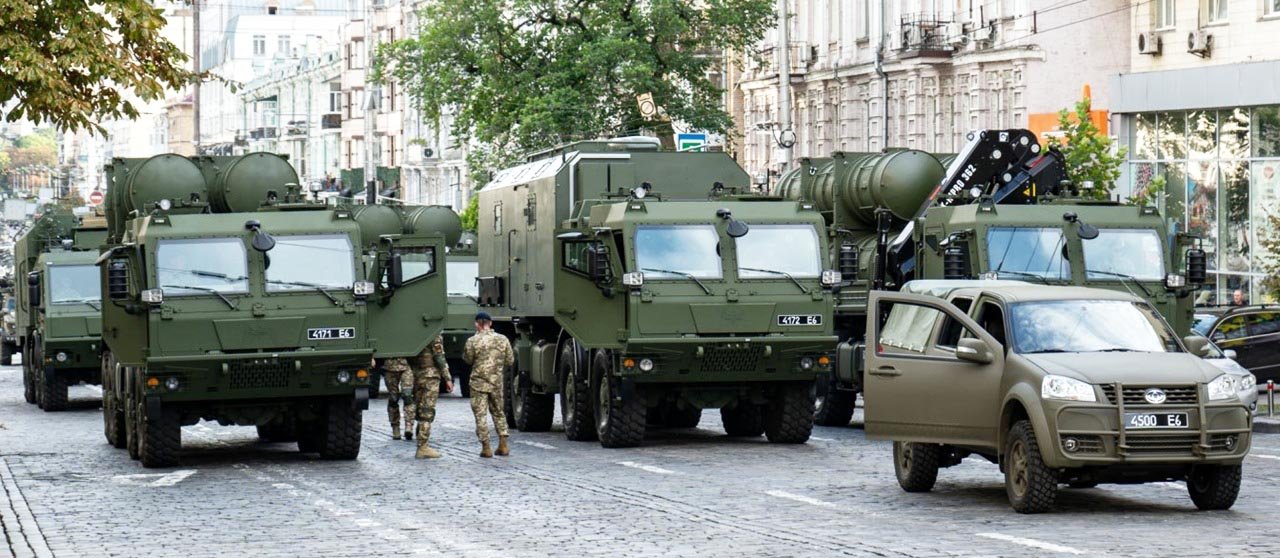
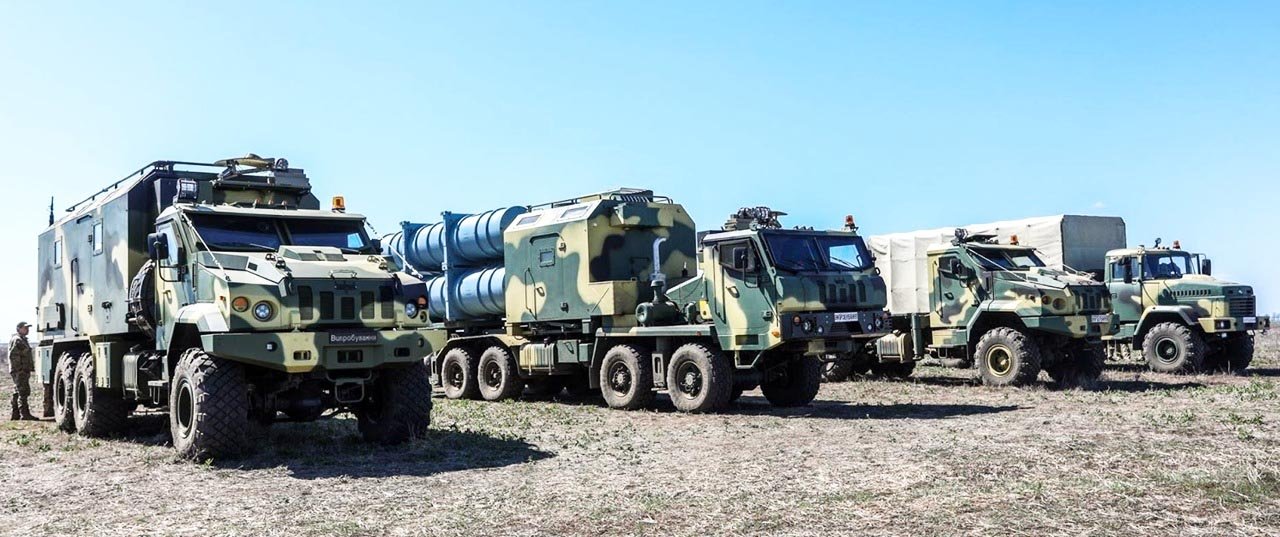
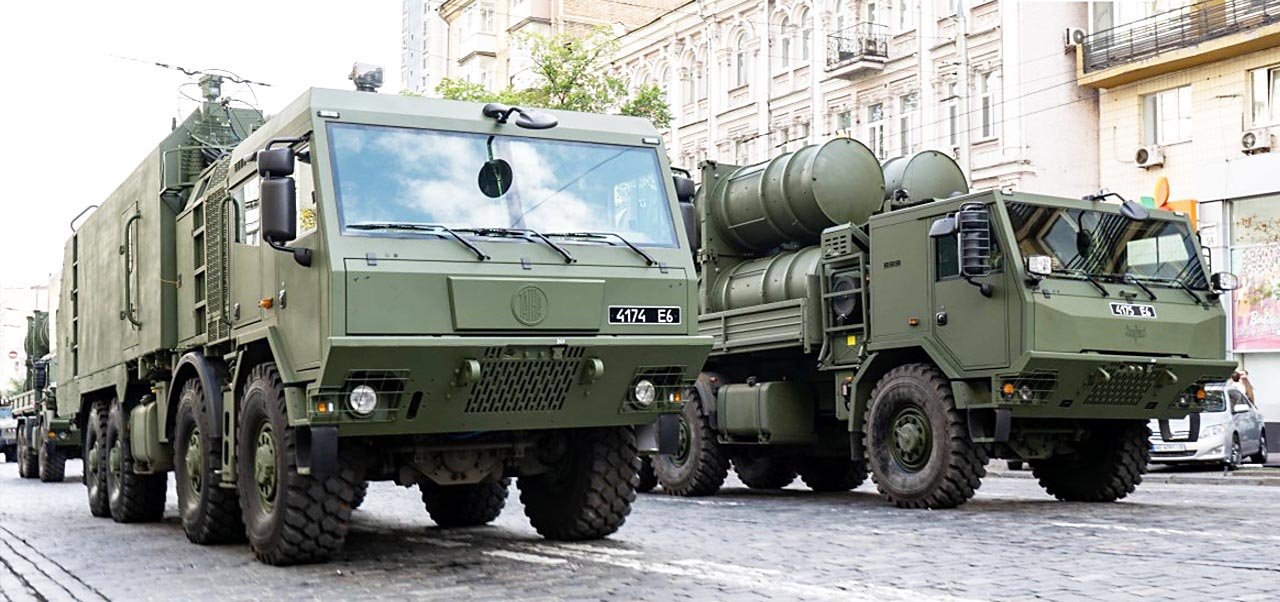
The Neptun missile is only in service with coastal defense units of the Ukrainian Navy since the air-launched variant has had integration problems with the Su-24M Fencer attack aircraft, and the naval variant, created for integration with the future missile boats of the “Lan” and “Vespa” classes, also failed to materialize. In 2019, an experimental battery (on the image) of the coastal defense variant was presented, mounted on various KrAZ-7634NE trucks. A complete battery consists of a USPU-360 mobile launcher with four missiles in canister launchers, an RCP-360 command and control vehicle, a TZM-360 transport/reload vehicle, and usually a TM-360 transport vehicle. Subsequently, Mineral-U targeting and tracking radars were added for greater effectiveness, and the KrAZ trucks were replaced with Tatra T815-7 trucks.
neptunuspu3606
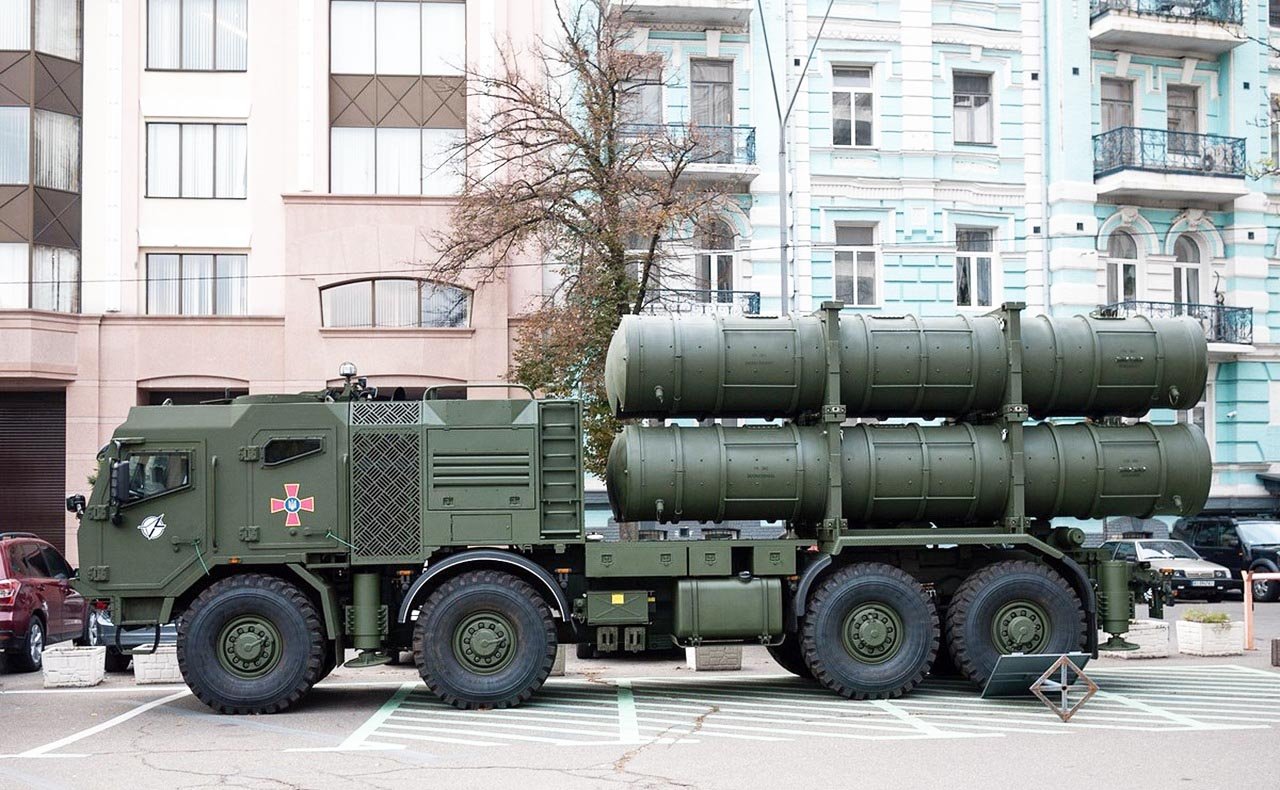
An RK-360MC coastal defense battalion/division consists of six USPU-360 launchers (on the image), six TZM-360 transport/reload vehicles, six TM-360 transport vehicles, several RCP-360 command and control vehicles, and several Mineral-U targeting and tracking radars. The battery has 24 missiles for immediate use and an additional 48 missiles for reloading. A battery takes approximately 10 minutes to deploy and become operational, and according to Ukrainian doctrine, it should be positioned a maximum of 25 km inland. The battery is capable of burst fire, launching a missile every 3 to 5 seconds at multiple targets if necessary. The reload time for a full battery is approximately 20 minutes.
neptun-moskva11
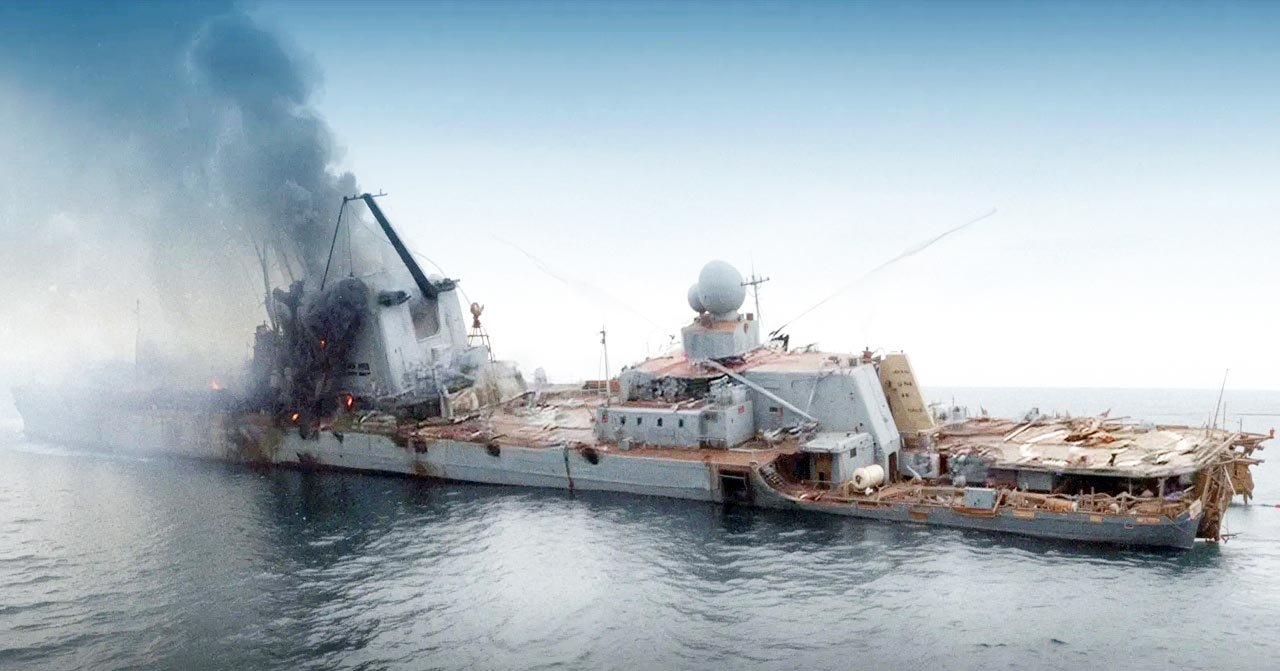
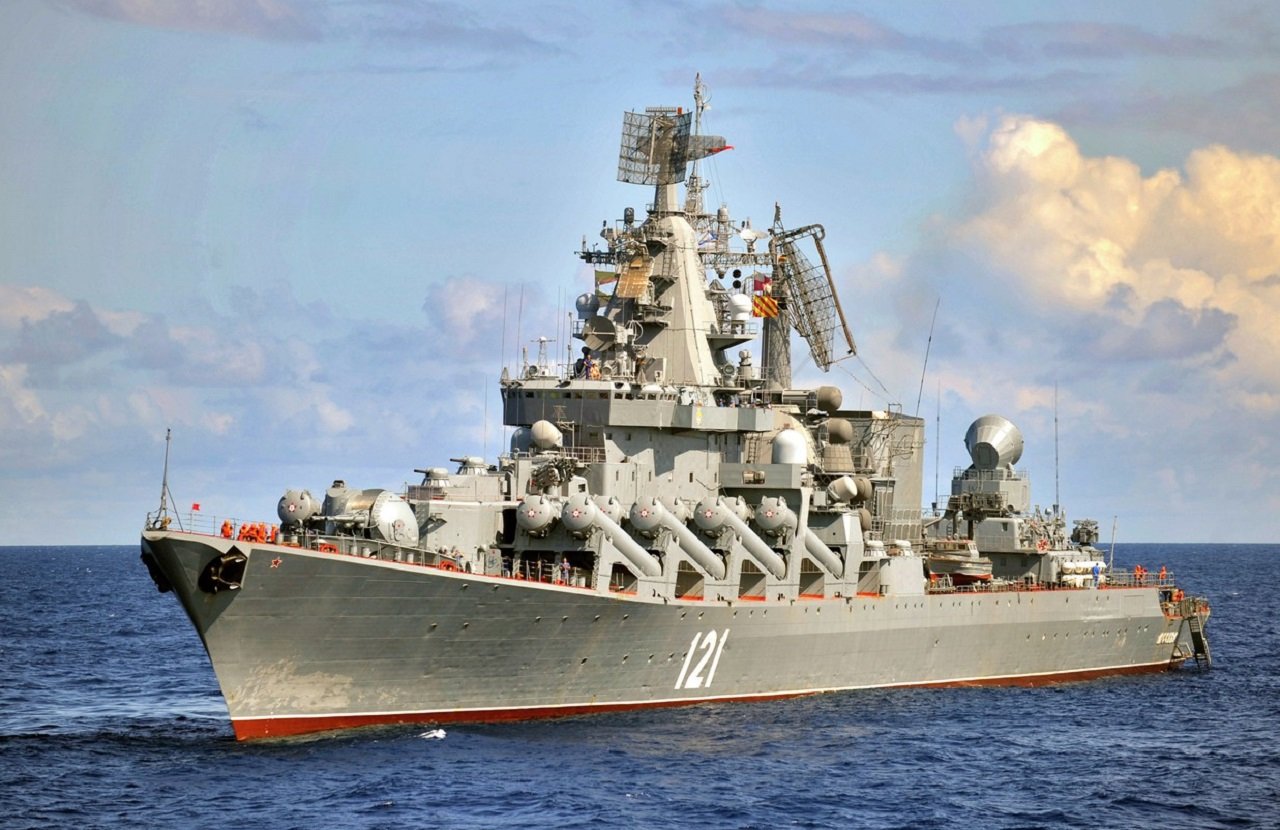
The R-360 Neptun became world-famous on April 13, 2022, when the 12,500-ton Russian cruiser Moskva (on the image), flagship of the Black Sea Fleet, was struck by two Neptun missiles fired from a Ukrainian coastal battery located near Odessa, 120 km away. The attack caused a fire and the subsequent explosion of some of the ammunition carried on board, which caused severe damage to the ship. On April 14, while the Moskva was being towed to port, a storm caused it to sink. After the sinking, Russian authorities declared that all crew members had been rescued, but finally, in January 2026, the Second Western District Military Court in Moscow confirmed that the cruiser Moskva was sunk by a Ukrainian missile, blaming Andrii Shubin, then commander of the 406th Artillery Brigade of the Ukrainian Navy, for ordering the attack. The Court stated that twenty crew members died in the explosion and eight went missing, and finally, they also accused Andrii Shubin of damaging the frigate Admiral Essen on April 2, 2022.
neptun-moskva5
Analysts have debated at length whether the cruiser Moskva (on the image) activated its air and missile defense systems, or whether it was struck by the missiles completely unaware of the danger. One hypothesis suggests that a Ukrainian Bayraktar TB2 unmanned aerial vehicle (UAV) may have been in the area, acting as a decoy or distraction for the cruiser’s defenses, and some even doubt that this drone could have been detected by the cruiser’s outdated radar. The possibility that the crew lacked training and failed to activate the defensive systems in time is also being considered, but whatever the case, the Russian Navy will not release any conclusions after analyzing the attack, so we will remain in the dark.
neptunproto7
The Neptun missile has been used extensively against Russian forces, with an estimated 50 attacks only in 2024. Among the most successful was the attack of the Russian frigate Admiral Essen on April 3, 2022. On March 26, 2024, the former Ukrainian landing ship Konstantin Olshansky, captured by Russia after the annexation of Crimea in 2014, was hit by a Neptun anti-ship missile. On April 21, 2024, another Neptun anti-ship missile damaged the Russian salvage ship Kommuna and the attacks have continued, targeting port facilities and ships docked there. The most recent known attack was on September 9, 2026, when Neptun missiles struck a Buyan-class corvette, the frigate Admiral Essen (for the second time), an Ivan Gren-class landing ship, and a Gorya-class minesweeper stationed at the Novorossiysk naval base on the Black Sea.
neptunfamily
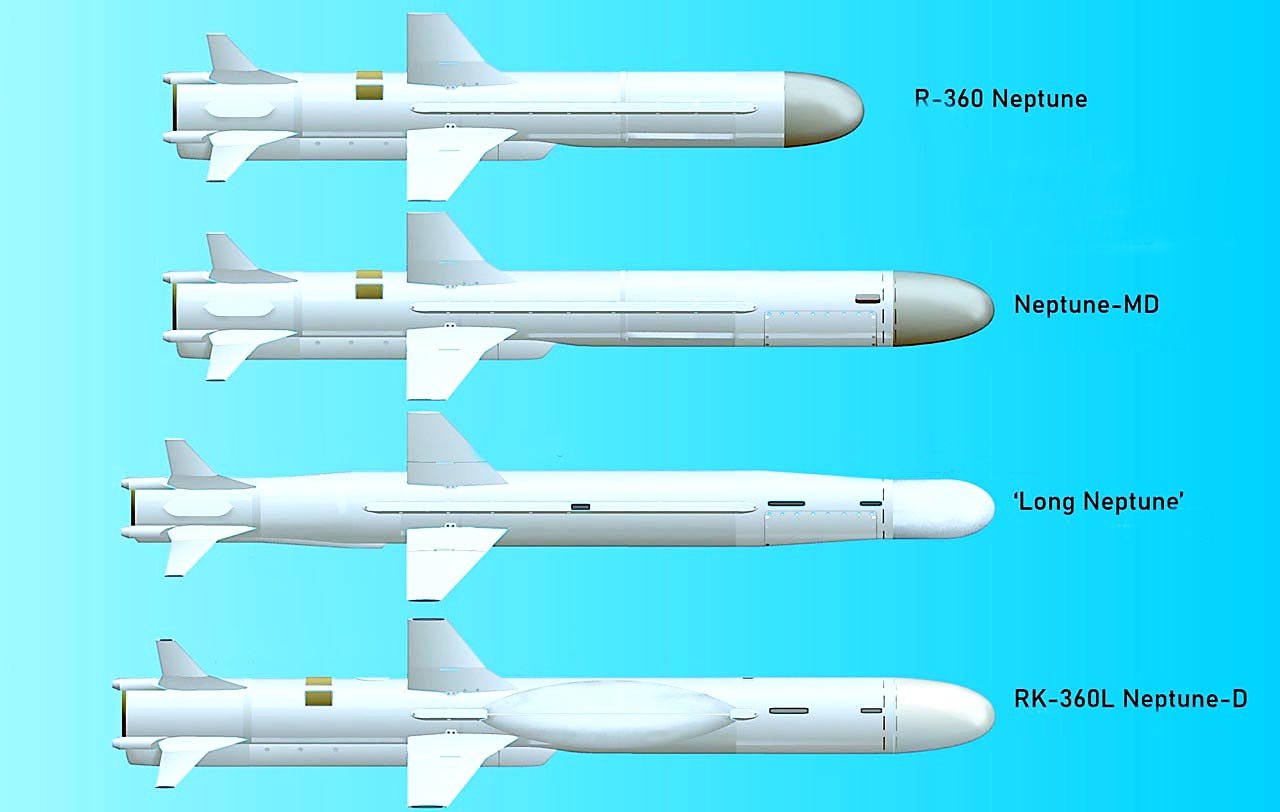
Since entering service, the R-360 Neptun has been constantly modified and improved, and currently the original R-360 anti-ship variant has been modified to also attack land targets. Furthermore, three new variants are known to have been developed, with the possibility of a fourth still unconfirmed. These confirmed variants are: the “R-360 Neptun MD”, the “R-360 Long Neptun”, and the “RK-360L Neptun D”. It appears that, despite Russian attacks, Ukraine has managed to establish a suitable production and delivery rate for these missiles, which, according to Ukrainian authorities, ranges from 100 to 200 missiles per month. The key factor is the simplicity of manufacturing and the low cost, since it should be remembered that all these variants incorporate only the minimum modifications necessary compared to the original R-360 Neptun, which greatly simplifies the process.
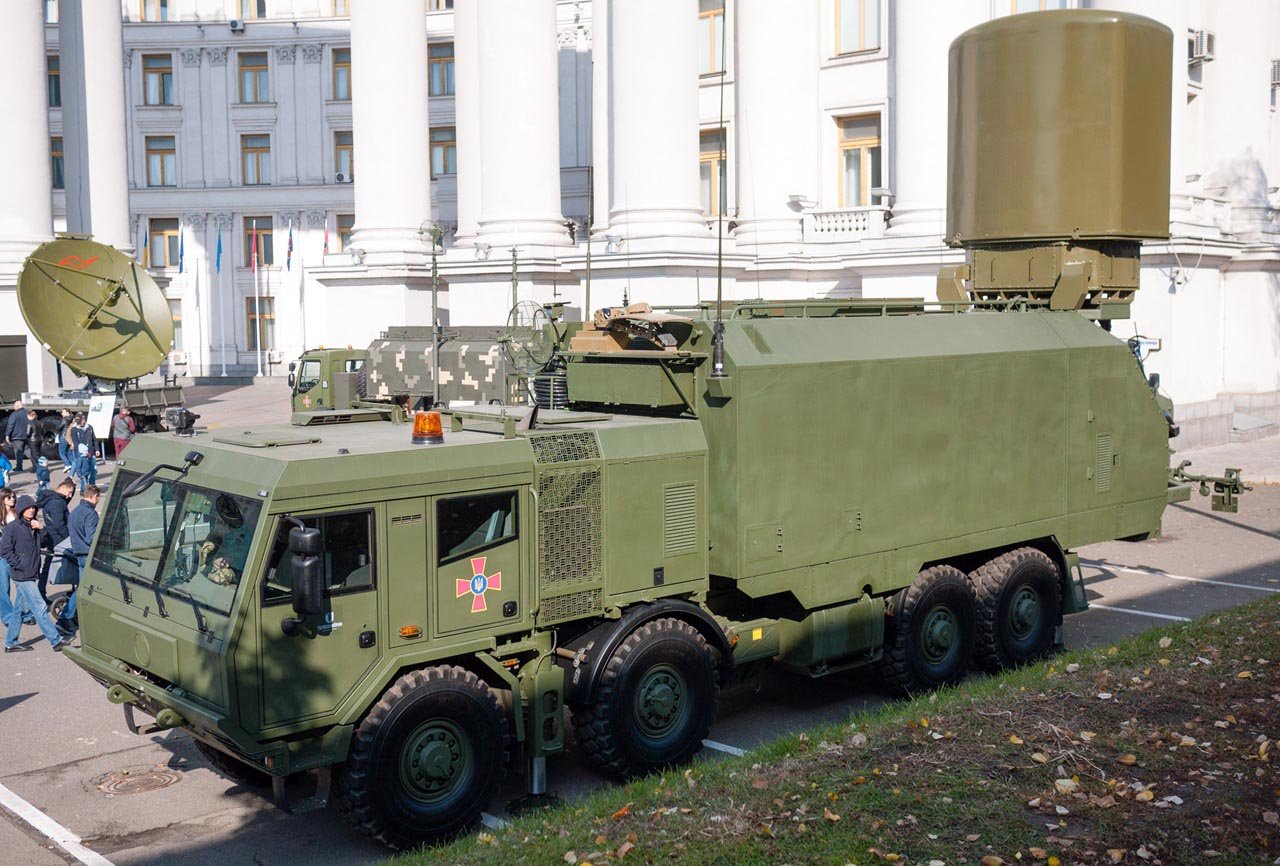
neptunmineralradar7
(Mineral-U radar image). In April 2023, it was revealed that a new variant of the R-360 Neptun was being developed for land attack, but it wasn’t until June 2024 that the missile was officially unveiled by Ukraine. This new missile, designated “R-360MD Neptun”, is longer and has a new guidance system that allows it to reach targets at a distance of 360 km. The warhead is the same as the R-360 Neptun missile and is composed of 150 kg of high explosive (HE). In August 2023, a R-360MD Neptun destroyed an S-400 missile system radar in Crimea, and on September 14, it destroyed another similar system near Yevpatoriya. On May 31, 2024, several fuel depots in Port Kavkaz were attacked, damaging at least three. In July 2024, an airbase in Kursk was also attacked. On August 21, 2024, a Russian S-300 air defense system was destroyed in Rostov Oblast and the list of attacks continues since then, including refineries, thermal power plants and military component factories.
longneptun1
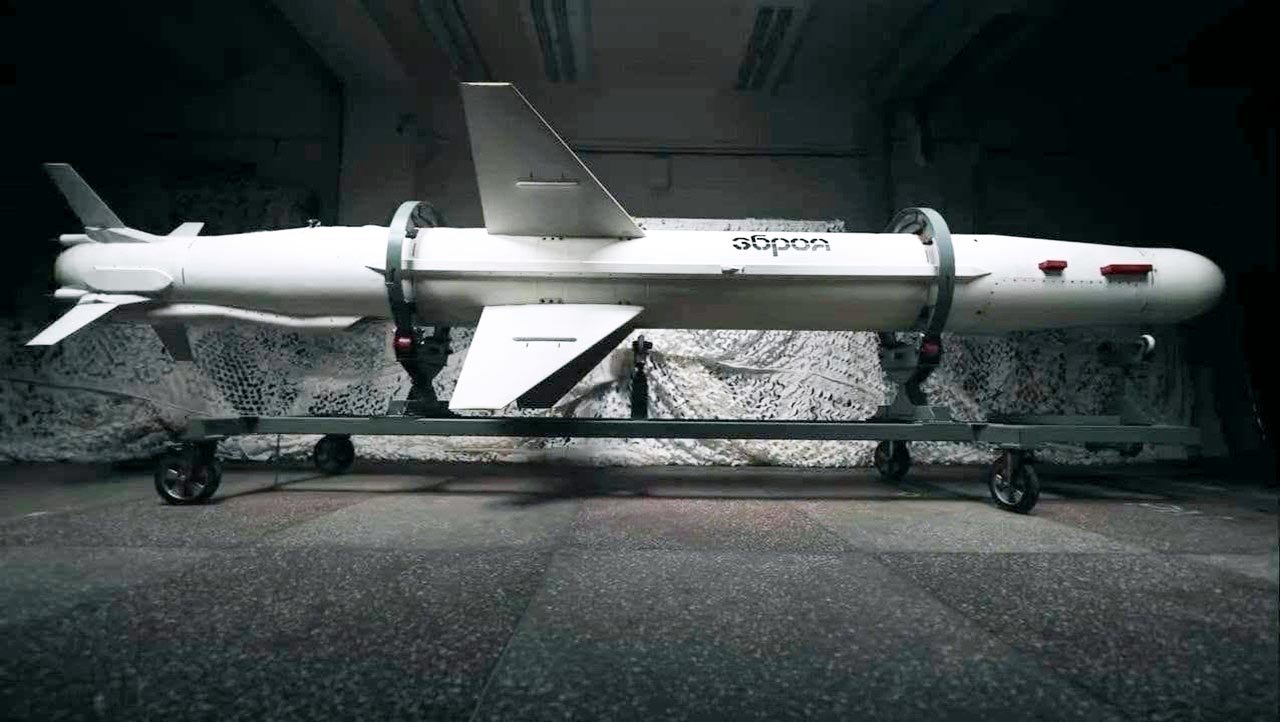
In November 2023, Ukraine began developing a new Neptune missile capable of striking naval and land targets at a range of 1,000 km, and in June 2024, a new missile, designated “Long Neptune” (on the image) was unveiled, although the first images of the missile were not released until August 2025. This missile has a reduced-diameter nose cone, a smaller inlet duct, and a reduced-diameter motor, in addition to having straight wings. This variant has been designed to attack naval and land targets at a maximum range of 1,000 kilometers, now capable of reaching targets deep within Russia. This missile measures over 6 meters in length, not including the booster rocket, with a fuselage widened to 500mm instead of the usual 380mm and the missile’s control surfaces increased in size. In adittion, the warhead has also been increased to 260 kg, or even up to 350 kg according to some sources, and it is equipped with an infrared homing system for final approach to its target.
rk360lneptund1
In October 2025, Ukraine officially unveiled a new variant of the Neptun missile, designated the “RK-360L Neptun D” (on the image). This new variant is similar in range and size to the Long Neptun missile, although it has a nose cone and a rear fuselage similar to the R-360 and R-360MD variants. The warhead is the same as the Long Neptun missile and is composed of 260 or 350 kg of high explosive (HE). However, the rear fuselage of the RK-360L Neptune D is slightly longer, and it also features a distinctive element compared to the other variants. These are two bulges located just forward of the wings, believed to contain additional fuel for increased range. These protrusions have earned it the nickname “bulky Neptun”.
neptunproto1
(R-360 Neptun missile image). Long Neptune and RK-360L Neptune D variants features a new guidance system that allows them to attack moving naval targets. These new missiles are capable of flying at low altitudes over varied terrain, striking fixed land-based targets, and following pre-programmed routes without satellite navigation. These new capabilities allow for unprecedented flexibility of use for Ukraine, as they do not require foreign satellites for missile guidance, granting them complete operational autonomy.
neptunproto5
(R-360 Neptun missile image). On March 14, 2025, Long Neptun missiles were used to attack an oil refinery in Tuapse, Krasnodar Kray, 1,000 km from Ukrainian-controlled territory. These new missiles are being used extensively against Russia, and are known to have caused significant damage to the Russian Karachev Elektrodetal electrical components plant in Bryansk on September 9, 2025. They have also attacked Black Sea Fleet ammunition depots in May 2026 and drone and optical component factories in September 2026. On October 15, 2026, they were used in a spectacular attack against Borisoglebsk Air Base in Voronezh, hitting six Su-34M bombers, and two weeks later they hit two more Su-34M bombers stationed at Marinovka Air Base in Volgograd.
rcp360commandneptun2
(RCP-360 Neptun command vehicle image). The Neptun missile family has attracted some interest from other countries, and in August 2024, Romania and Ukraine announced an agreement to manufacture and develop these missiles, although the agreement was ultimately canceled in May 2025. However, in mid-June 2026, Luch Design Bureau and MBDA signed an agreement to develop a new missile designated “Neptune 2”. This would be a low-observable, deep-strike missile equipped with Broach or Mephisto warheads, which have high penetration capabilities and are very effective against underground bunkers. The Mephisto warhead is the same one installed on the Taurus KEPD 350 cruise missiles.

Related posts