Photogaleries

SPIKE (MR/LR/LR2/ER/ER2/SR/Mini/Aero) anti-tank missile gallery
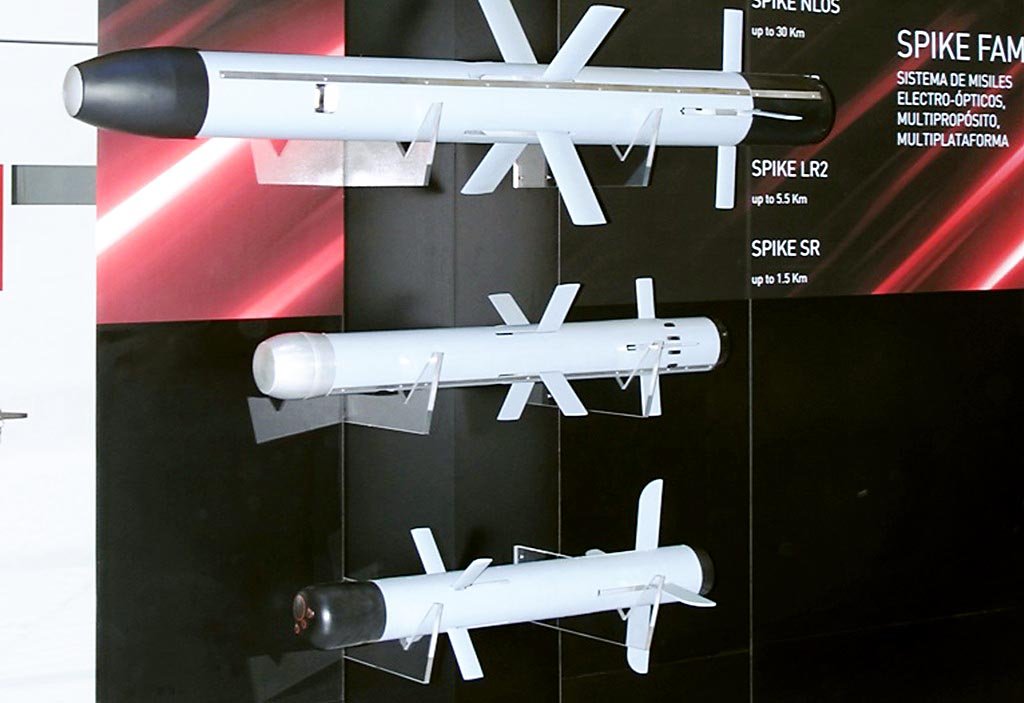
spiketypes1
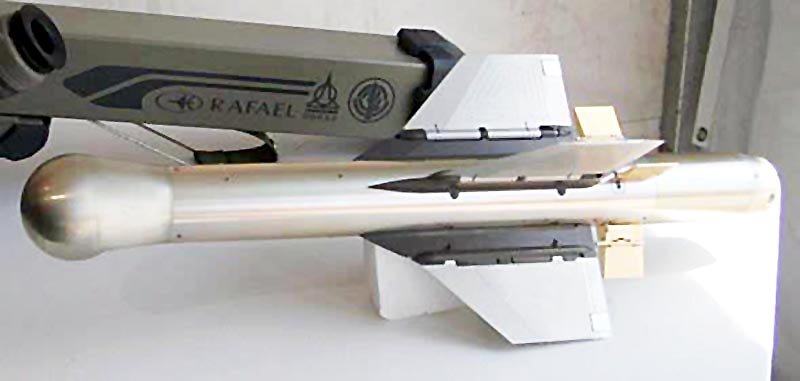
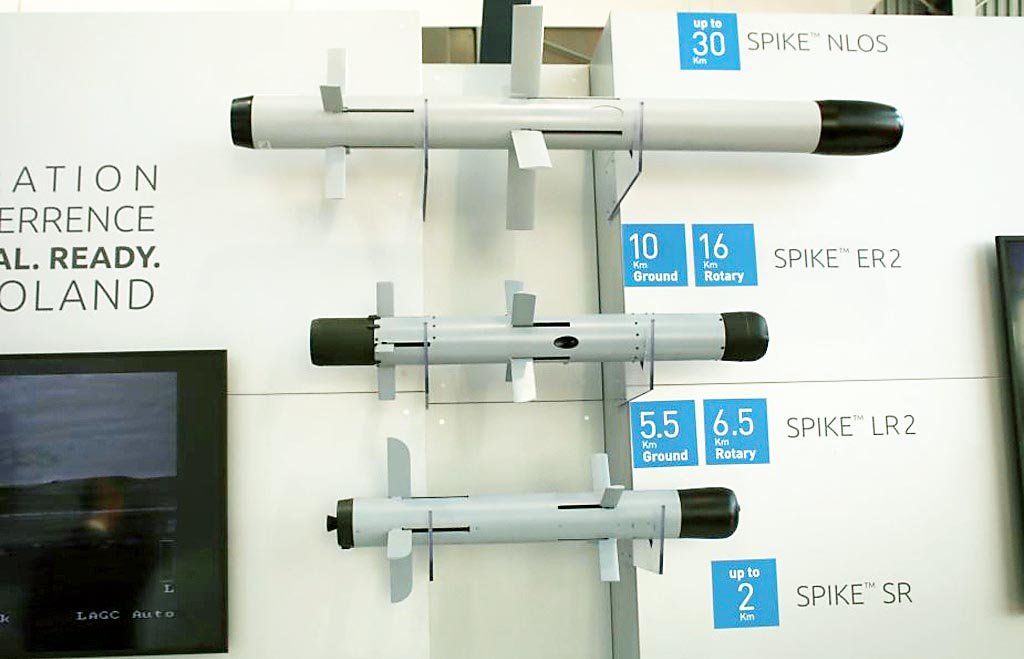
The Spike missile family, originally manufactured by the Israeli company Rafael Advanced Defense Systems is a global benchmark in the field of anti-tank missiles. This group of systems has covered the entire spectrum of anti-tank defense (short, medium, and long range) since 1997 and continues to undergo constant technological evolution to remain at the forefront. Spike MR, LR, ER and NLOS missiles have the same guidance system. In fact, the LR and MR variants are the same except for the range and because LR has a secondary fiber optic guidance option against targets beyond 4,000 meters away.
spiketypes2
The history of these missiles can be traced back to the 1970s, when Rafael proposed the development of a fiber-optic guided missile to the IDF, which was rejected. Nevertheless, Rafael continued its research and in 1987 obtained approval to develop a missile codenamed “Gil”. However, in 1992 this missile was canceled by the IDF, although Rafael continued testing prototypes of man-portable and helicopter-launched missiles with excellent results, and in 1994 the “Gil” program was revived.
spikemr6
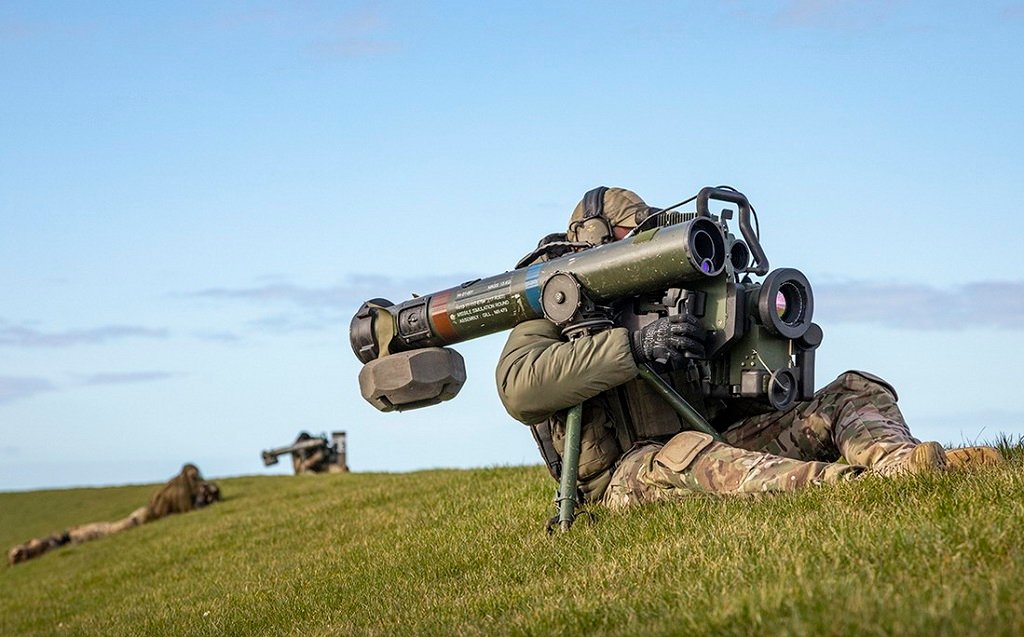
(Spike MR image). In 1997, during the Paris Air Show at Le Bourget, Rafael publicly presented three missiles for the first time: NT-G “Gil”, NT-S “Spike”, and NT-D “Dandy”. These designations were changed in 2002 to Spike-MR, Spike-LR, and Spike-ER, respectively. The Spike MR was a medium-range (2,500 meters) missile, the LR was long-range (4,000 meters) missile, and the ER was an extra-long-range or extended-range (8,000 meters) missile. In 1998, the NT-G “Gil”, current Spike MR missile, was the first to enter service with the Israeli Army.
spikemr1
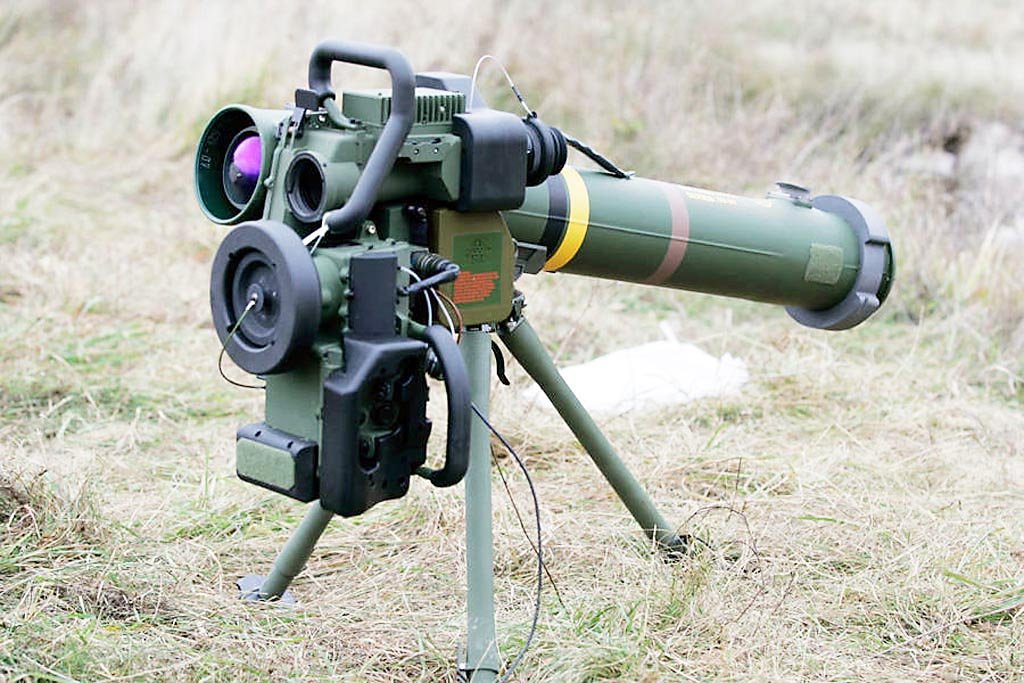
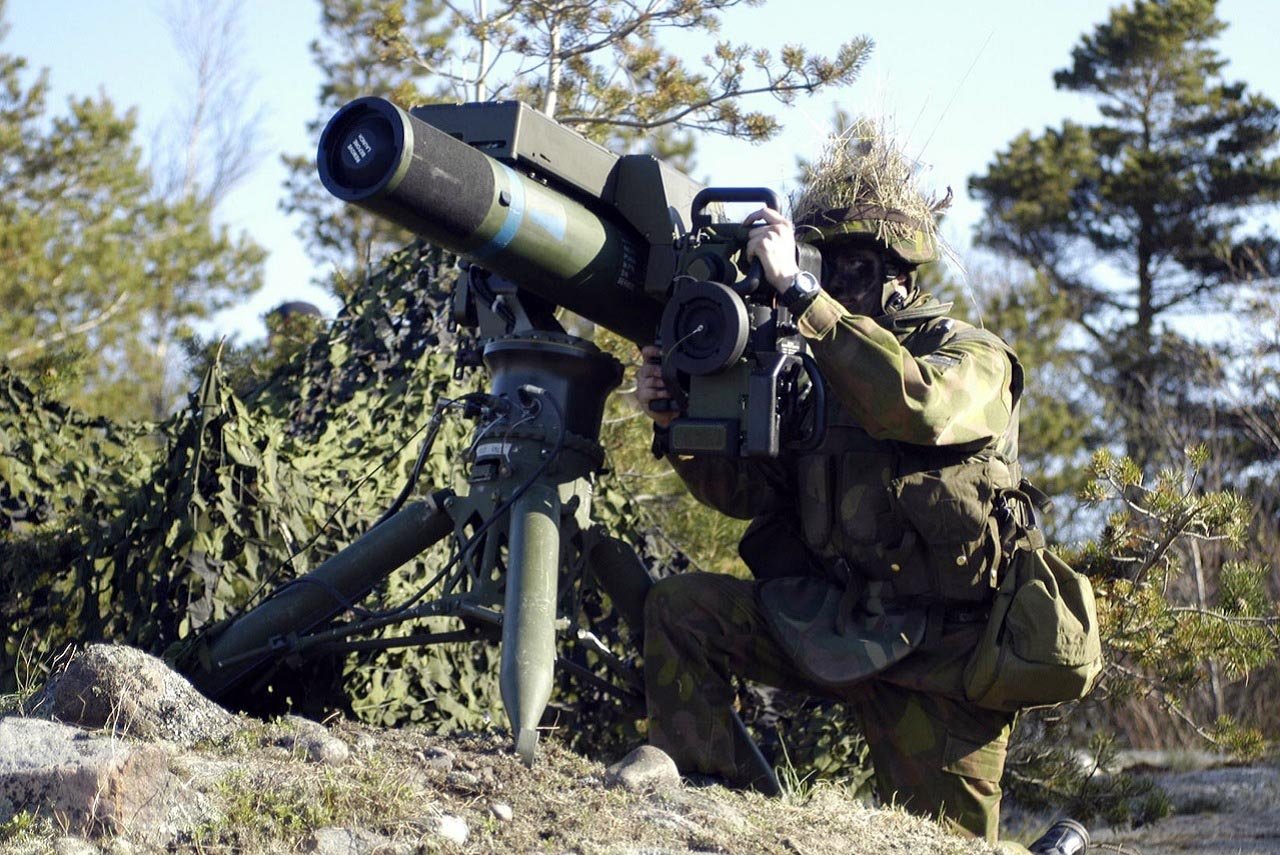
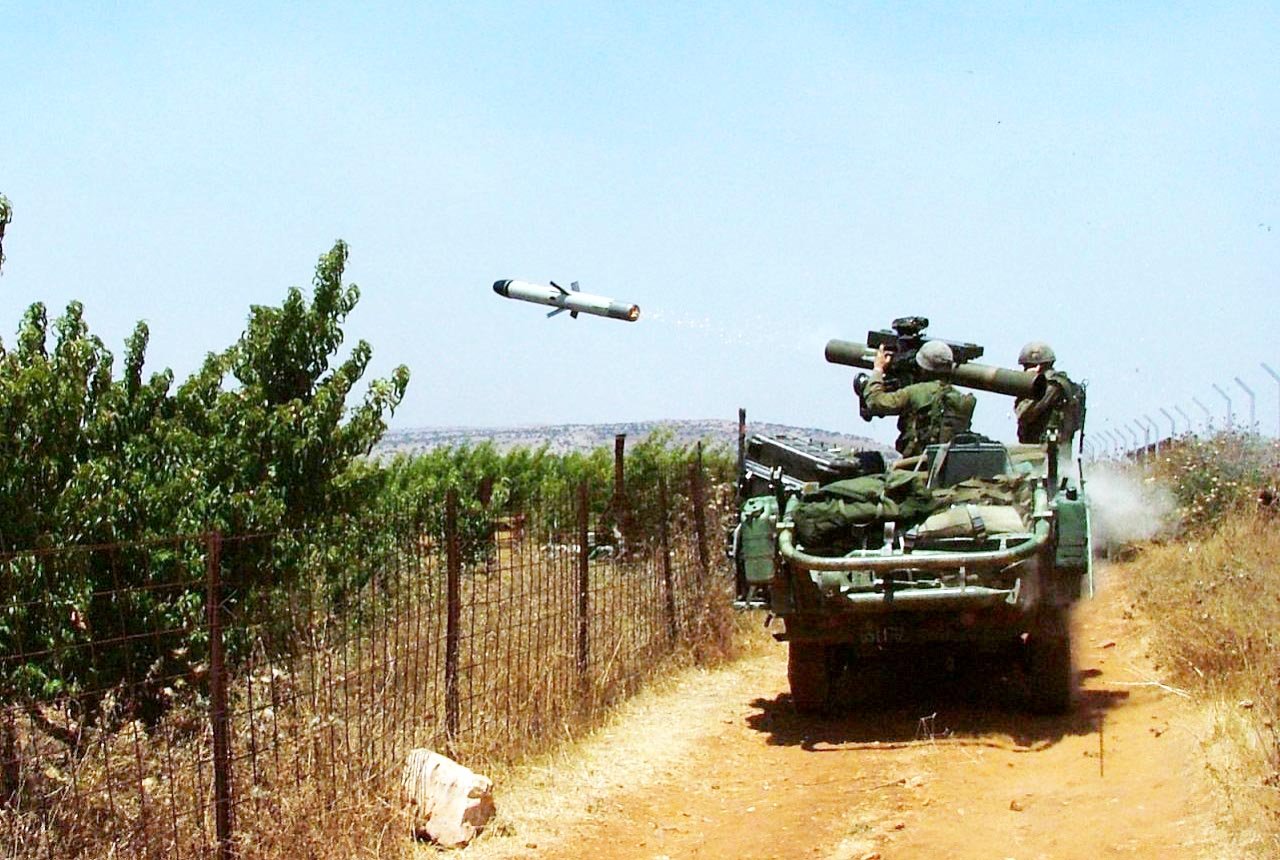
(Spike MR image). The Spike MR (NT-G Gil) system consists of a reusable Command & Launch Unit (CLU) weighing 5 kg, a tripod weighing 2.8 kg, a battery weighing 1 kg, a thermal sight weighing 4 kg, and a sealed missile container (launch tube) weighing 14 kg. The entire system weighs 26.8 kg, allowing it to be easily transported by infantry and special forces units. The basic MR variant has a range of 200 to 2,500 meters and can only be fired in “fire and forget” mode, which uses a CCD (charge-coupled device) image sensor for daytime and low-visibility use only. The operator has a 10X magnification optical sight and the more modern variants have a dual system with a combined CCD/IR seeker and CCD+IR homing guidance, enabling nighttime and all- weather operation. This variant does not have a fiber-optic link, but rather employs a lock-before-launch approach system.
spikemrbel2
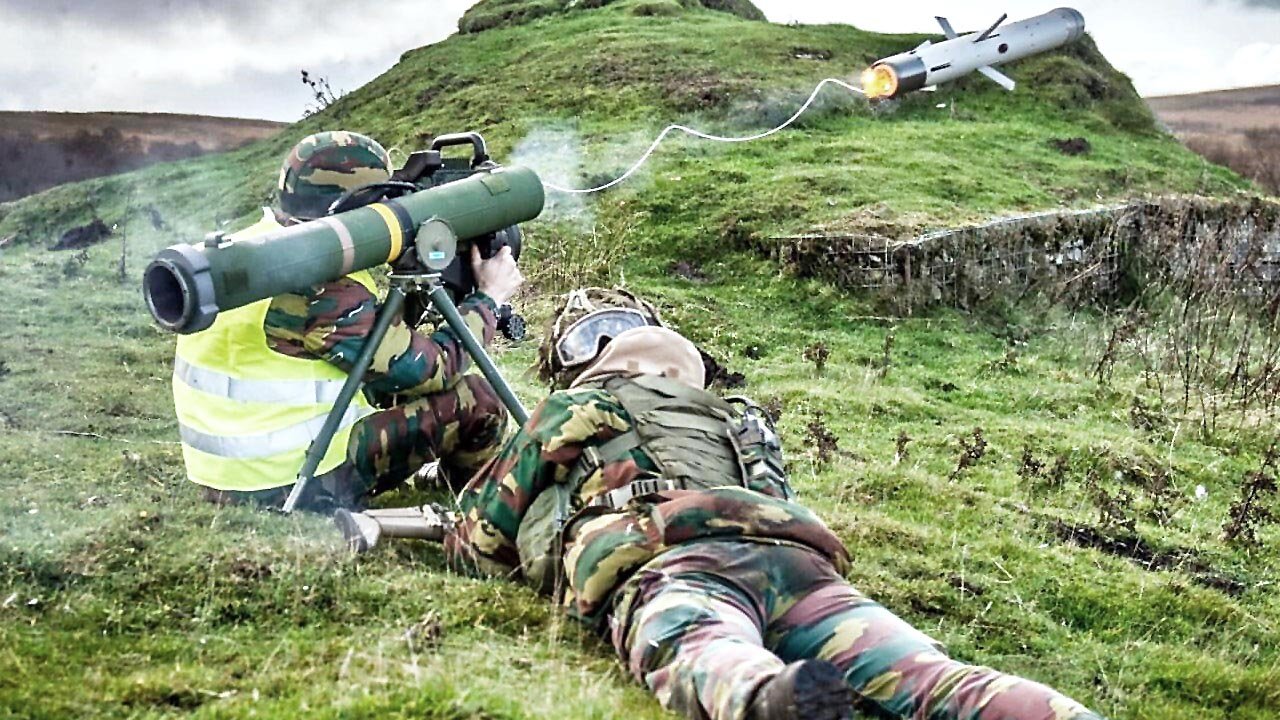
(Belgian Spike MR image). Spike MR missile measures 1.20 meters long by 130mm in diameter incorporates a “soft launch” system that allows its use from confined spaces, similar to the French Akeron MP or American Javelin missiles. This system ejects the missile from the launch tube using an ejector motor integrated into the rear of the missile. The missile is propelled by solid propellant that powers a flight motor located at the front. Combustion gases are expelled through two ports on the sides of the body. It can be fired within 30 seconds of locating a target and is easily reloaded by connecting a new sealed missile container to the Command & Launch Unit (CLU) in about 15 seconds.
spikemr5
(Spike MR image). This missile carries a Rafael tandem HEAT hollow charge armor-piercing warhead that is capable of penetrating more than 700mm of RHA (rolled homogeneous armour) behind ERA armor. The precursor charge, which detonates the reactive armor, is located behind the guidance seeker in the nose of the missile, and the main charge, which penetrates the main armor, is in the center/rear of the missile. The Spike MR missile attacks the target on its upper part, usually the least protected, thanks to a lofted flight. This missile entered service in 1998 and is currently (2025) in service in 8 or 9 countries with around 5,000 missiles exported.
spikelresp1
(Spanish Spike LR image). The Spike LR (NT-S Spike) system, known as “Gomed” by the Israelis, is the most successful variant in the family and consists of a reusable Command & Launch Unit (CLU), a tripod, a battery, a thermal sight, and a sealed missile container or launch tube. It is a long-range missile capable of engaging targets between 200 and 4,000 meters away. This missile has two firing modes: “fire and forget,” in which the target is locked onto the seeker before launch, and “launch and correct mode,” in which a fiber optic link allows the operator to make corrections during flight. This latter mode is suitable for engaging non-line-of-sight (NLOS) targets and the link may be cut if another firing is needed quickly. It features the same target acquisition and guidance system as the MR variant.
spikemellsale5
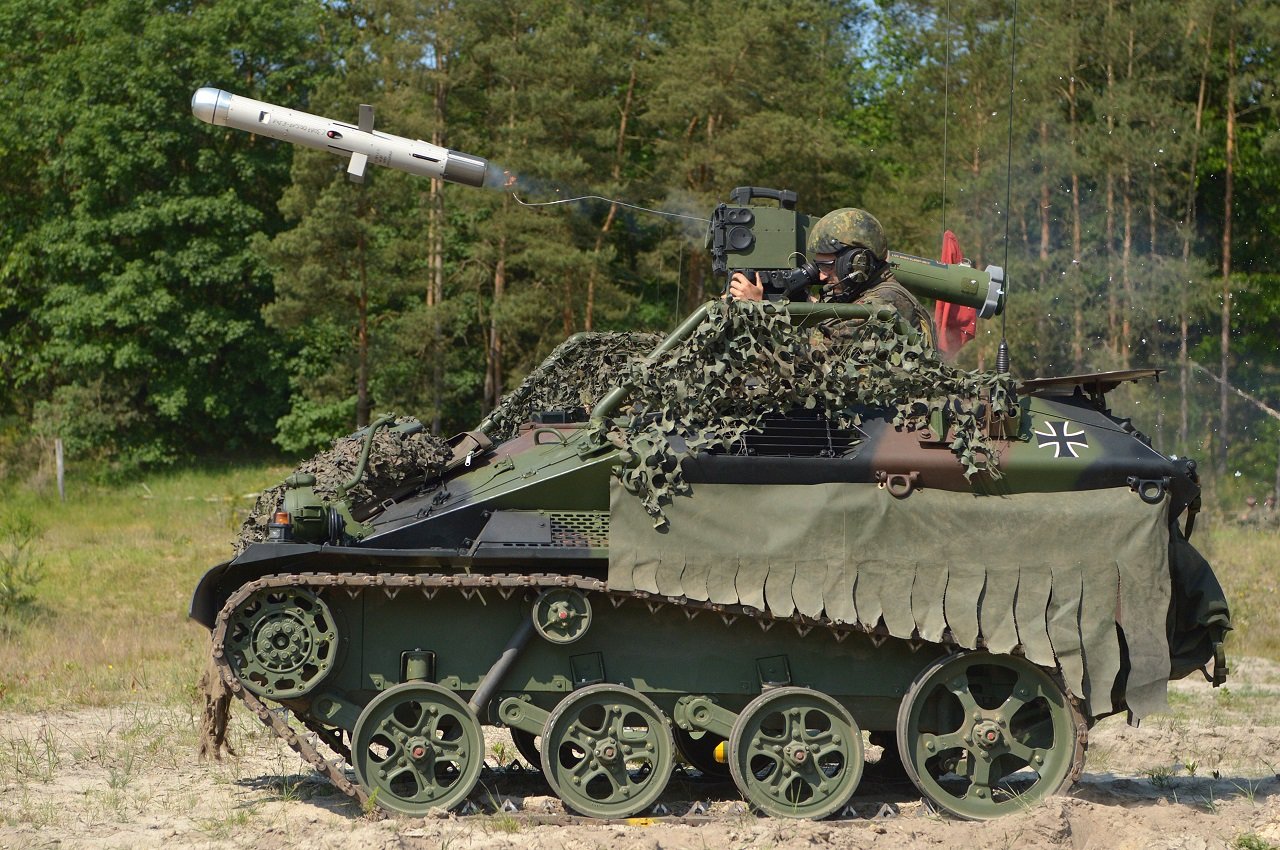
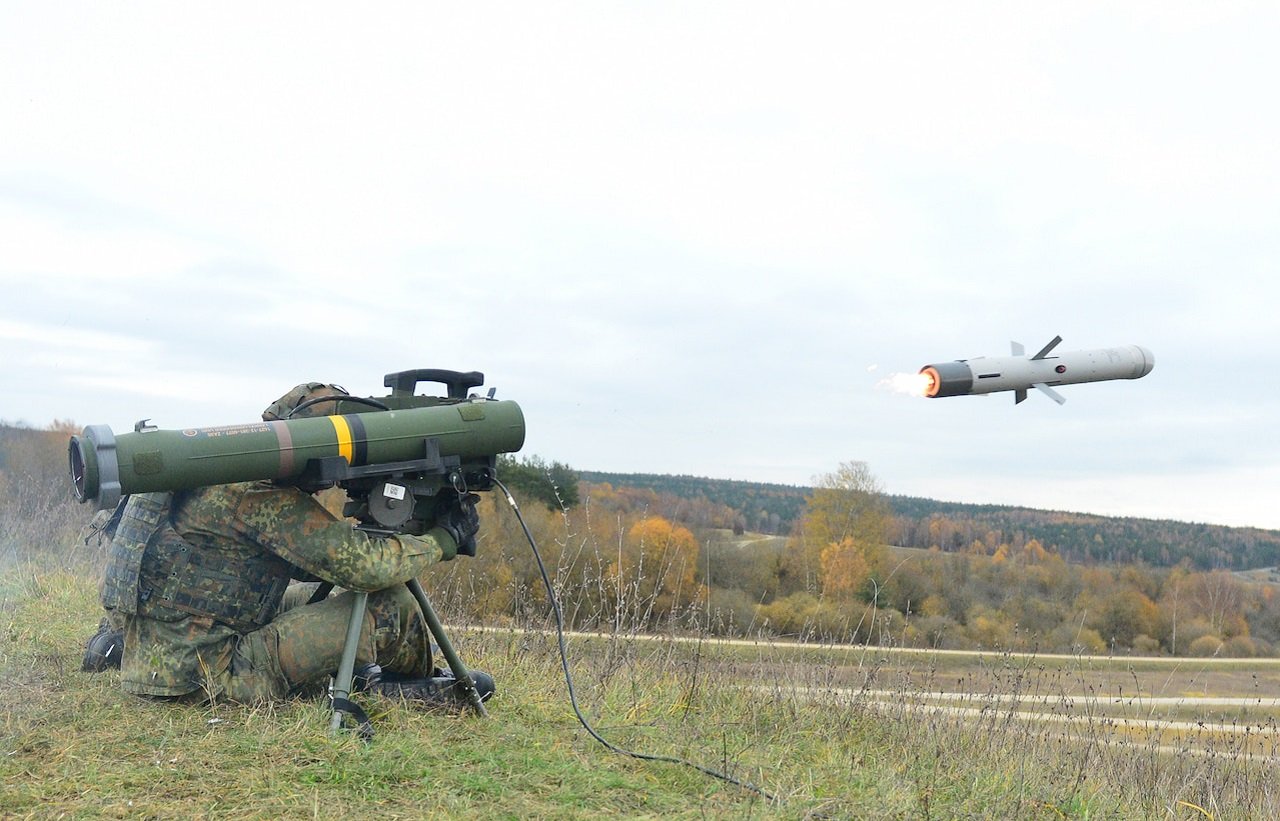
(German Spike MELLS image). The LR variant has the same propulsion system as the Spike MR and also features a soft launch system. It also has the same dimensions, warhead, and capabilities. This missile entered service in 1998 and is in service in approximately twenty countries, with more than 18,000 missiles exported. Germany refers to its Spike LR missiles as MELLS (Multi-Role Light Guided Missile System), but they are actually the same missiles as the rest of the LR variant. The largest users of Spike LR missiles are Germany with about 4,000 missiles in service, Poland with about 3,700 and Spain with about 2,800.
spikeerita1
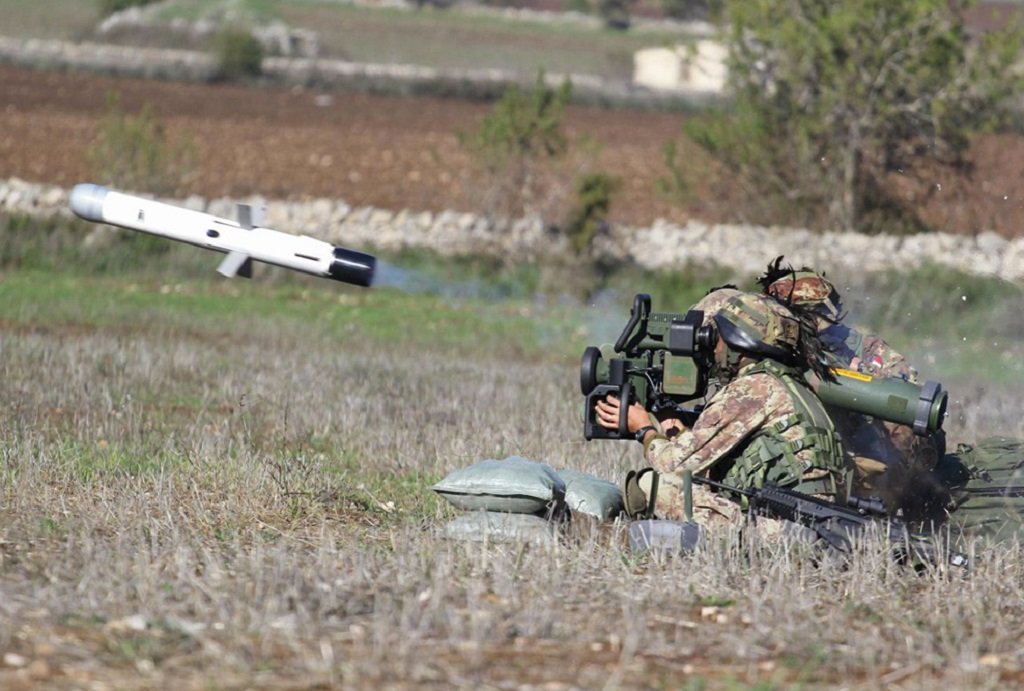
(Italian Spike ER image). The Spike ER (NT-D Dandy) system, designated “Perakh Bar” by the Israelis, is a missile designed originally for helicopter launch. The complete system is called “HeliCOAT” and consists of the missile, housed in a sealed launch tube container, the Toplite sighting system, and various associated fire controls. This missile is an extra-long-range variant used against targets between 400 and 8,000 meters away. The missile can be launched from a tripod if necessary, although it is typically used from vehicles. Rafael offers a system designated Vehicle Missile Launching System (VMLS) for use from armored vehicle turrets and a naval mount called “Typhoon” that can be installed on all types of ships.
spikeer2
Spike ER missile (on the image) is considerably larger and heavier, weighing 35 kg. It measures 1.67 meters in length and has a diameter of 170 mm. It has three firing modes: “fire and forget,” “fire and observe/steer,” and “fire to target coordinates.” Thanks to a real-time fiber optic data link, it allows man-in-the-loop retargeting and firing against beyond-line-of-sight (BLOS) and non-line-of-sight (NLOS) targets. The target acquisition and guidance system is the same as the MR and LR variants, as well as the propulsion system and the piezoelectric detonation mechanism. A naval variant of the Spike ER missile exists with an extended range of up to 10 km and an electro-optical guidance system.
spikeerfin1
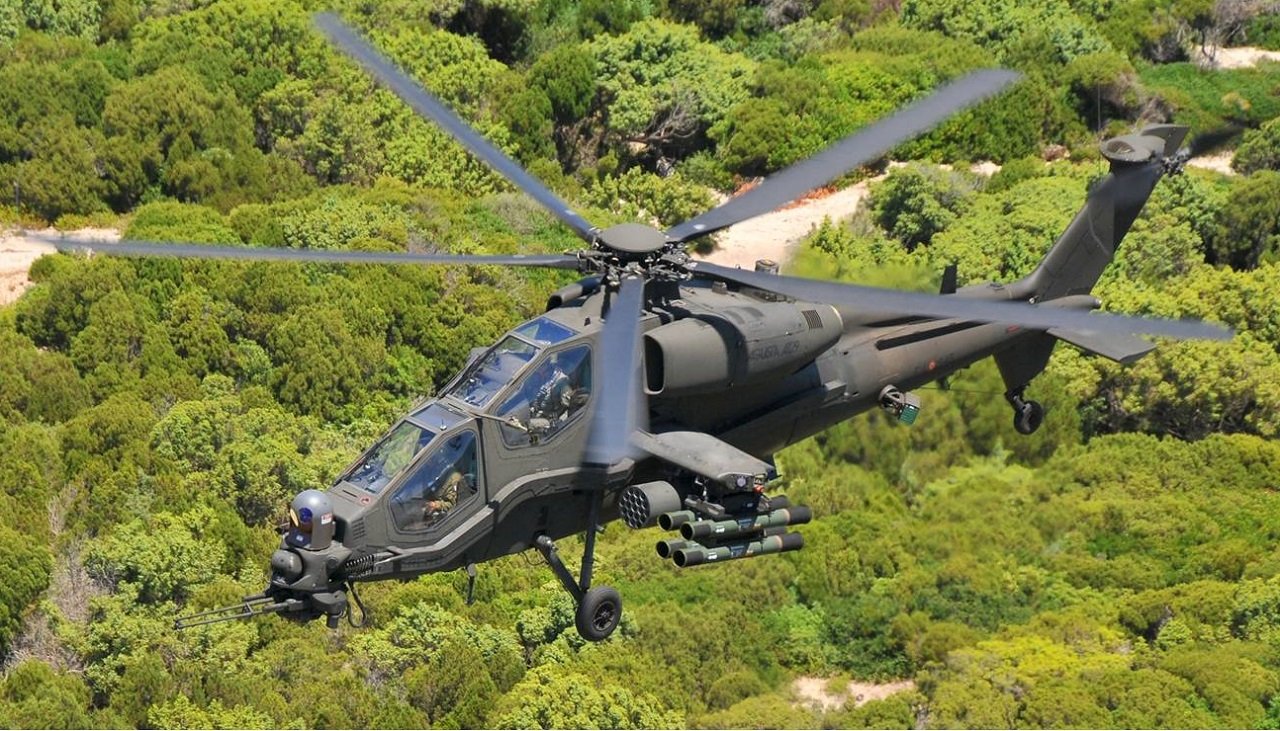
The Spike ER has the same tandem HEAT warhead as the MR and LR variants, and an additional PBF (penetration-blast-fragmentation) warhead has been designed to explode inside the target. This is especially useful against ships, and the Philippine Navy and the Finnish Navy’s Coastal Jaegers (on the image) use these missiles for anti-ship operations. This missile entered service in 1998 and currently is used by nine or ten countries, primarily from ships and helicopters. Romania has adapted them for IAR 330 SOCAT attack helicopters, Italy has done the same for its Agusta A129D Mangusta attack helicopters, and Spain has incorporated them as the main armament of its Eurocopter Tiger attack helicopters. To date, approximately 3,000 missiles have been produced.
spikemellsale8
(German Spike MELLS image). In 2004, three companies merged to form a new one tasked with manufacturing Spike missiles, primarily for the European market. The new joint venture, EuroSpike GmbH, handles marketing, sales, program management, and logistics. It comprises the German companies Rheinmetall Defence Electronics (40%) and Diehl BGT Defence (40%), plus Rafael of Israel (20%). Rheinmetall produces the launcher and is responsible for logistics and training, while Diehl Defence handles final assembly, energy supply, and production of the warhead and launch tube. Currently (2025), they market the NLOS, ER2, LR2, MELLS (LR), and SR variants.
spikesr6
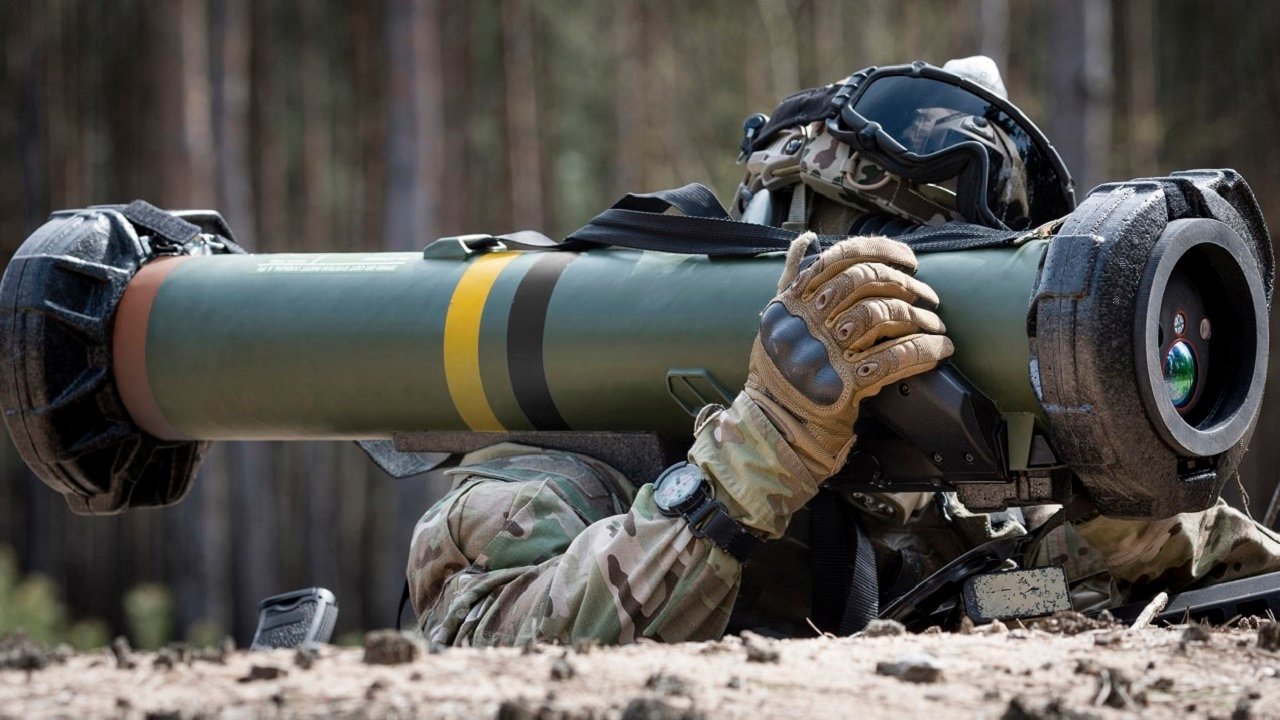
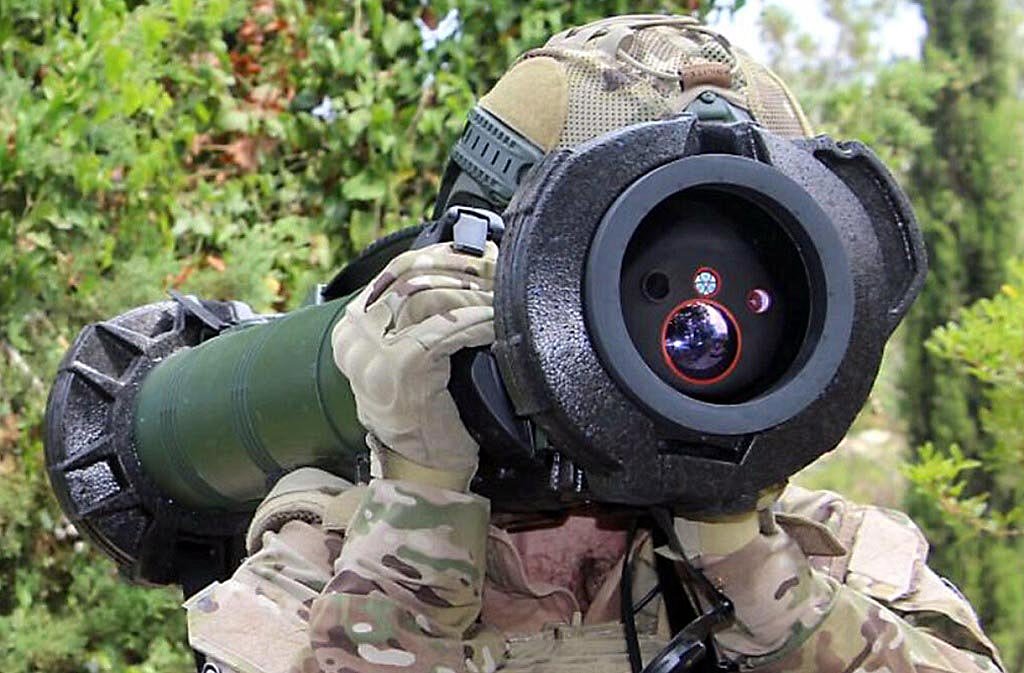
In 2012, Rafael added a new component to the Spike missile family: the Spike SR (on the image). This lightweight, short-range missile bridges the gap between the Spike MR and RPG-type anti-tank unguided rockets. The missile is shoulder-fired weapon operated by a single soldier and has a range of 50 to 2,000 meters. It features an uncooled electro-optical infrared seeker and an advanced tracker that allows it to attack both stationary and moving targets during day and night in all-weather conditions. The missile is of the “fire and forget” allowing the operator to quickly leave the area after the shot (shoot & scoot capability). This system is disposable thanks to the use of a low-cost thermal camera and guidance electronics incorporated into the missile’s nose, and it requires no maintenance.
spikesr4
Spike SR (on the image) is a very lightweight system, weighing only 10.3 kg, of which 8 kg is the missile itself. Its rugged and compact design makes it easily transportable. Furthermore, its operational simplicity allows for its use with virtually no training, turning any soldier into a dangerous tank hunter. The missile is equipped with a multi-purpose tandem HEAT (High Explosive Anti-Tank) warhead with blast-fragmentation effect capable of destroying main battle tanks or a Penetration-Blast-Fragmentation (PBF) warhead specially designed for use in urban combat. The missile can be fired just 6 seconds after the launcher is activated, allowing the operator a rapid response to a sudden threat. Currently (2025), it is in service in Estonia, Finland, and Singapore, with over 1,000 systems delivered.
spikelr215
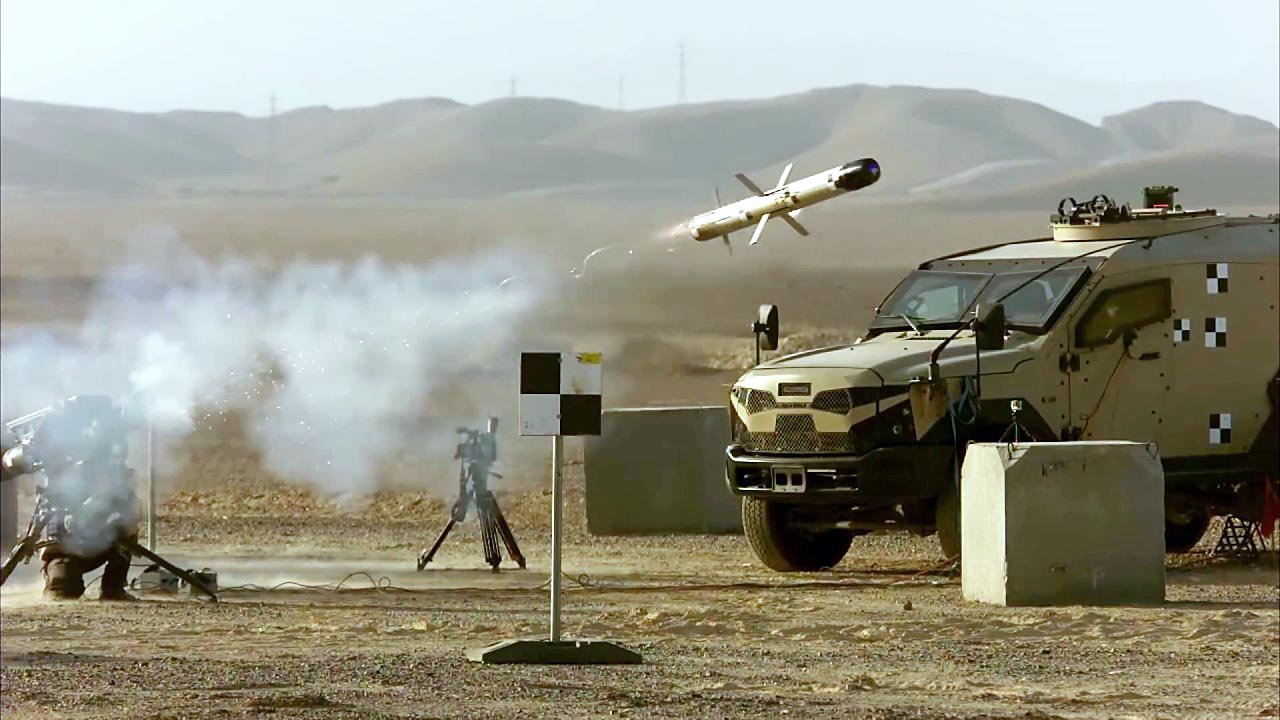
In late 2017, an evolution of the Spike LR missile, designated the Spike LR2 (on the image) or “Gil 2” by the Israelis, was unveiled. This missile is suitable for mounting on all types of land-based, naval, and helicopter platforms, as well as for use from ground-based firing posts. This variant is somewhat lighter than the previous Spike LR, weighing 13.4 kg instead of 14 kg, and its range reaches 5,500 meters instead of 4,000. When launched from helicopters, the range reaches 10 km thanks to the use of an fibre optic RF data link. The guidance system is a dual electro-optical missile seeker with both uncooled IR sensors and a high-quality day sensor, which, along with an AI-supported smart target tracker, improves its accuracy.
spikelr213
Spike LR2 features four firing modes: Manual Mode, Fire and Forget, Fire and Observe/Update, and Fire to Coordinate. The tandem HEAT hollow charge warhead has also been improved, allowing it to penetrate 30% more armor, and the missile also has an optional multipurpose blast effect warhead. This missile can attack vehicles equipped with active protection systems (APS) with a high probability of success thanks to its high impact angle of over 70 degrees. The Spike LR2 missile (on the image) has been a resounding sales success since its introduction and is in service in more than 15 countries with several thousand units and orders for several thousand more in the coming years.
spikeer21
In 2018, the Spike ER2 missile (on the image) was released, an evolution of the previous Spike ER missile. This version features improved guidance thanks to the introduction of a new two-way RF fiber optic data link that provides the operator with real-time information, extending its range to 10 km when launched from land or naval platforms, or up to 16 km when launched from helicopters. The weight, dimensions, and warhead remain unchanged from the Spike ER, but the improvements introduced allow it to attack direct or non-line-of-sight targets with a much higher chance of hitting the target on the first shot.
spikeer27
Spike ER2 missile (on the image) features three firing modes: fire and forget, fire and observe, and fire to target coordinates, allowing the operator to update and change targets during flight (man-in-the-loop capability) and alter the trajectory to engage hidden targets. RF and GPS jamming immunity has also been improved, and a flight path selector has been installed, offering low, medium, or high angles of attack to enhance lethality.
spikeer2ale5
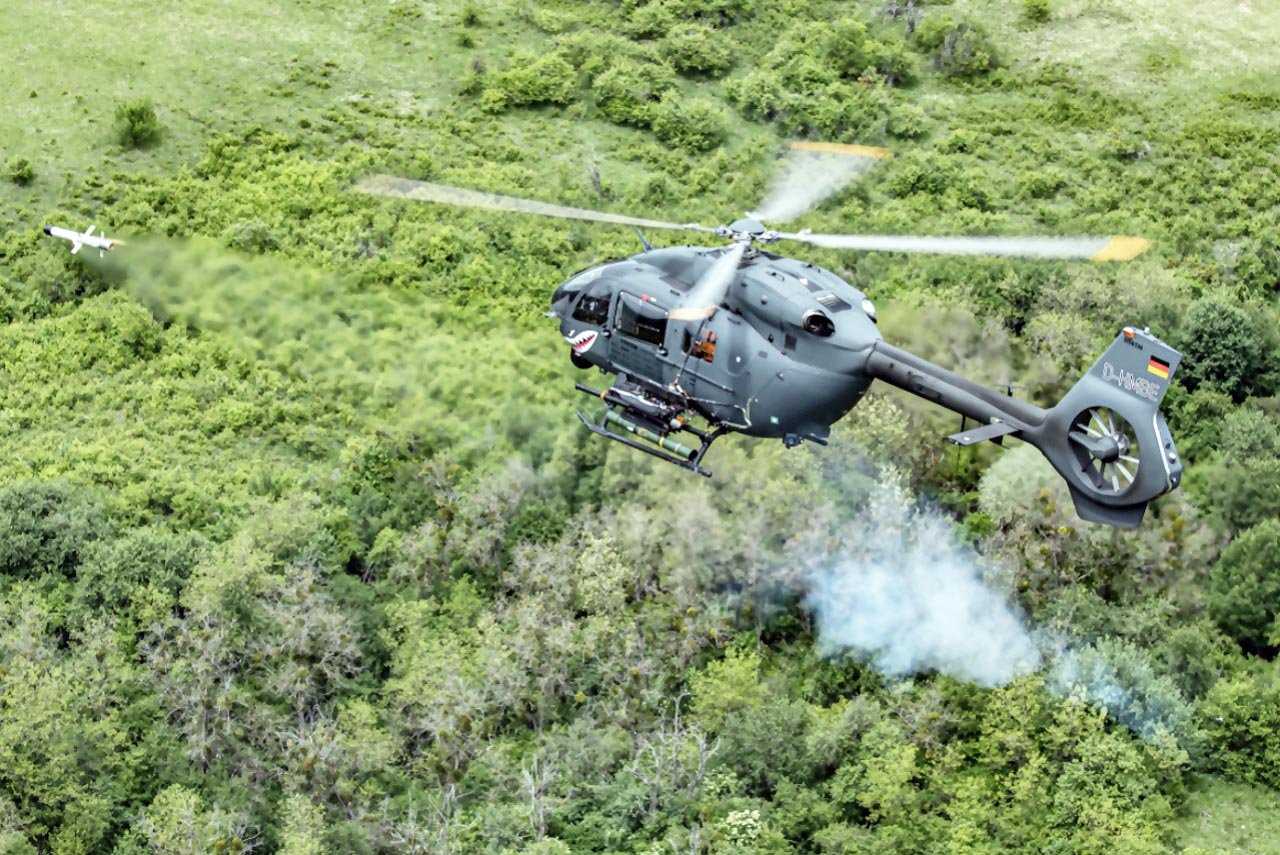
The guidance system is the same as in the rest of the Spike family: the well-known electro-optical missile seeker with high-resolution CCD and IR sensors. The Spike ER2 (on the image) is specifically designed for easy integration into helicopters, transforming a utility helicopter into a lethal attack helicopter. Two different warheads are offered: a tandem HEAT hollow charge warhead effective against armored vehicles, and a multipurpose PBF (Penetration Blast Fragmentation) warhead effective against structures and ships.
aerospike5
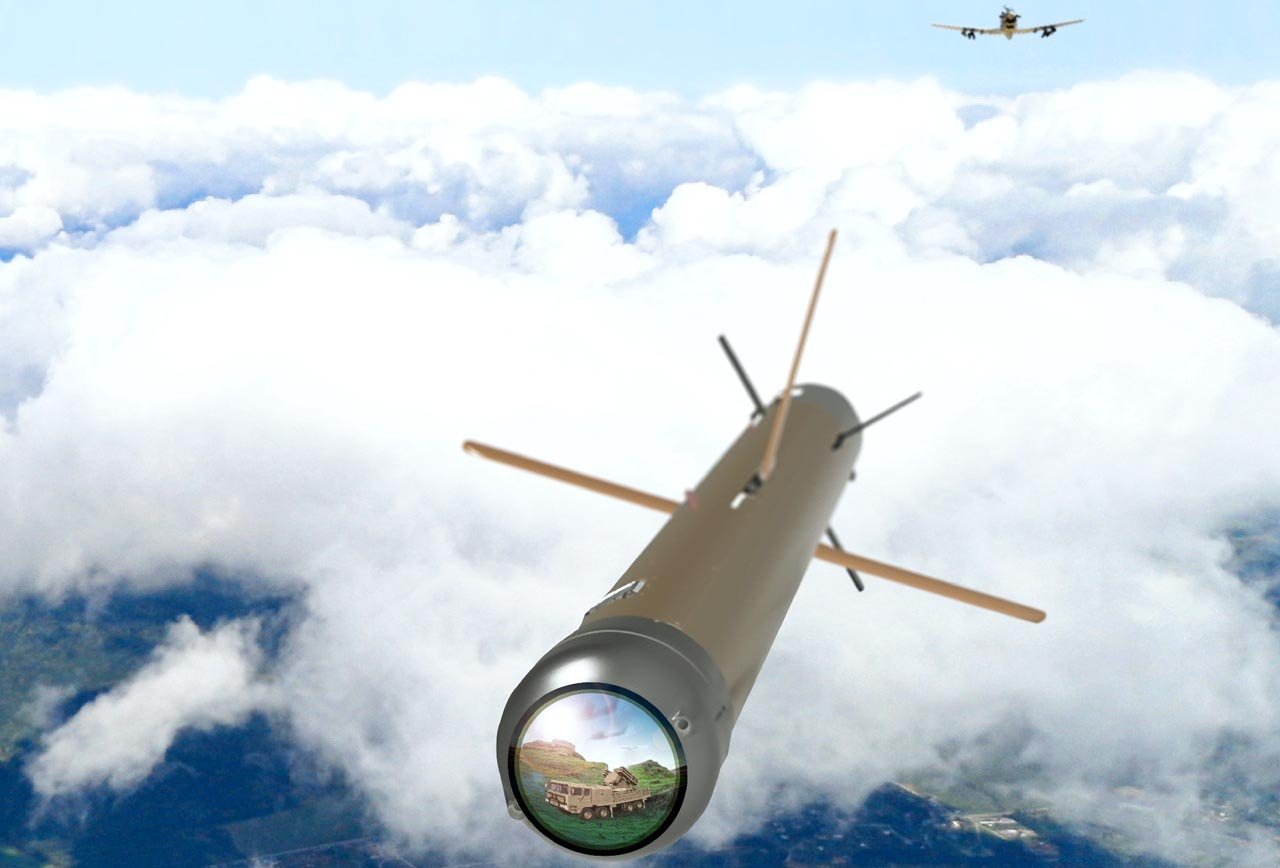
In the spring of 2022, another new member joined the Spike family. This time it was an air-to-surface missile for all weather day and night operations specifically designed for use from light attack aircraft and designated the “Aerospike” (on the image). This missile retains the weight, dimensions, guidance system, and warheads of the Spike LR2, with the exception of the wings, which are larger in this model to improve glide capabilities. Thanks to this modification, its range is 30 km when launched from an altitude of 8,200 meters.
aerospike3
Aerospike missile (on the image) features a sophisticated electro-optical seeker, including an IR sensor and an advanced high-resolution VIS sensor, which can be selected in real-time via RF data link by the operator during flight, providing a clear image of the target depending on environmental conditions. It has the same firing modes as the Spike LR2 and is equipped with a 5 kg variable-effect tandem warhead.
minispike2
Within the Spike family, there is a missile, introduced in 2009 and designated “Mini Spike” (on the image), which is not strictly an anti-tank missile, but rather is referred to by Rafael as an “anti-personnel guided weapon (APGW)”. This ultra-light missile, measures 70cm in length and 75mm in diameter, weighs only 4 kg, and can be launched from the Spike LR launcher using an electro-mechanical adapter (EMA) or directly from the shoulder thanks to a Miniaturized Control Launch Unit (MICLU). The missile has two firing modes: fire & forget and fire & observe, but instead of a fiber optic cable, it uses wireless radio frecuency (RF) as the link to the missile. The Mini Spike has a maximum range of approximately 1,500 meters and features new flight systems that allow its use in urban areas and the attack of targets out of the operator’s line of sight or hidden behind cover.
minispike1
Information about this missile is quite limited, and it’s unknown whether it’s currently in service, as no details have been released since 2016. Some sources claim the Mini Spike (on the image) has two types of warheads: a blast-fragmentation warhead and a HEAT (high-explosive anti-tank) warhead. It was also reported that a two-soldier team can carry up to six missiles; one soldier would carry four missiles in a special carrier, and the one carrying the Miniaturized Control Launch Unit (MICLU) would carry two more.

Related posts