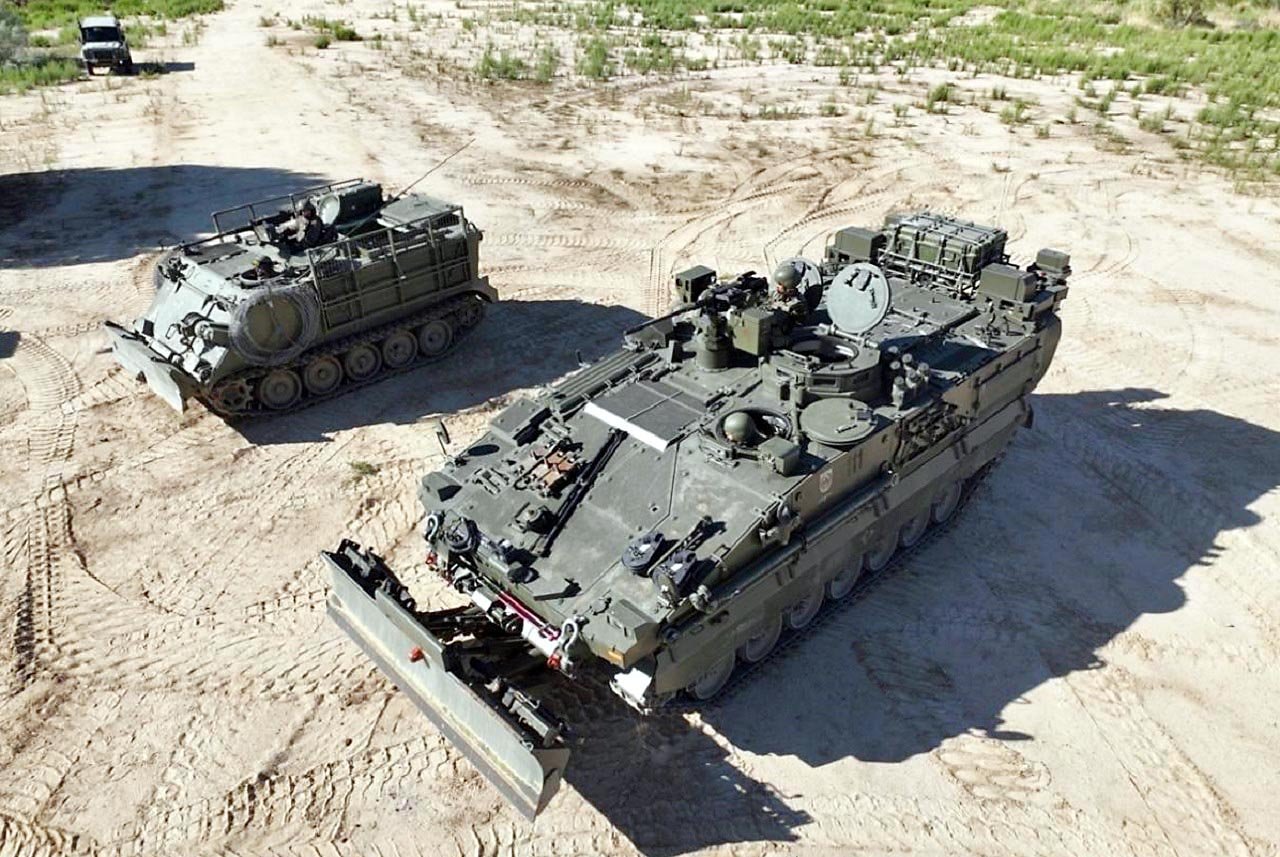
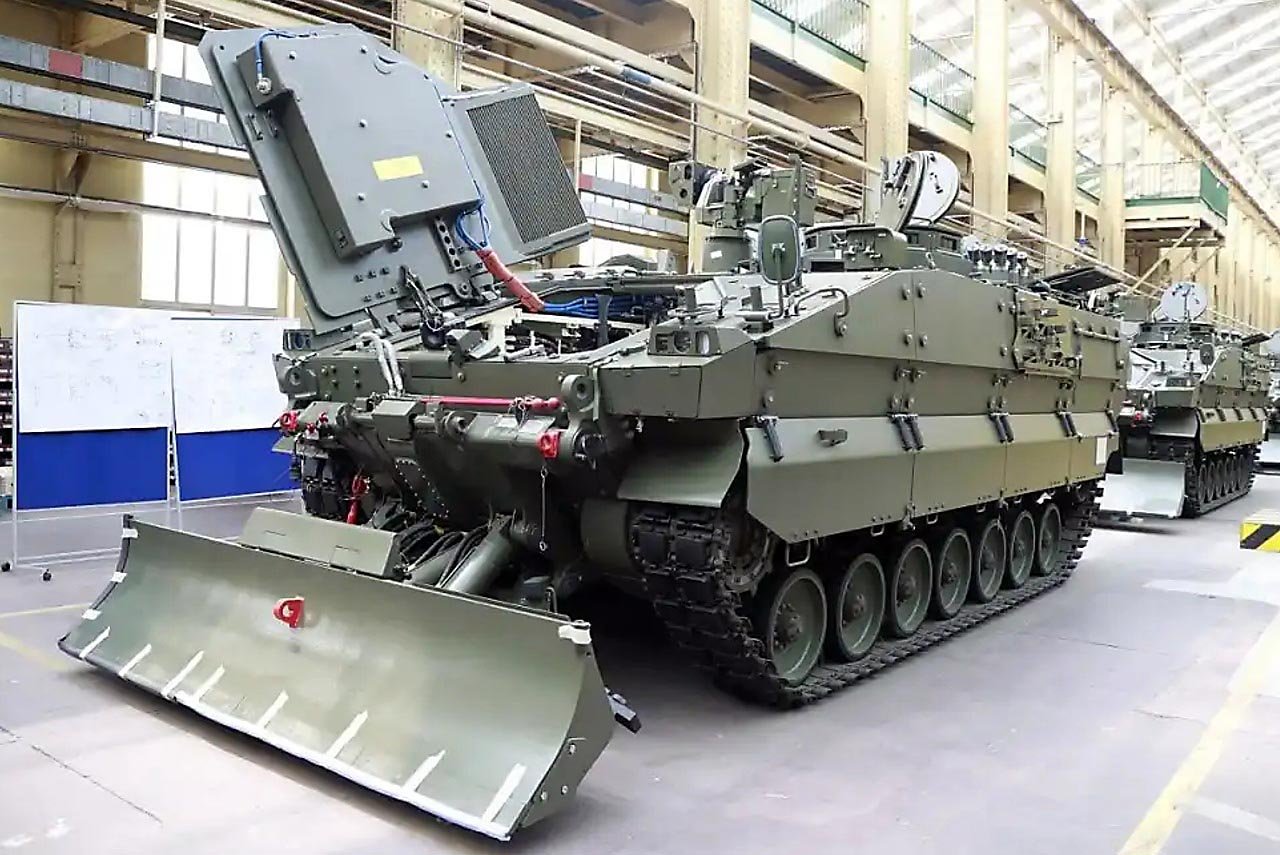
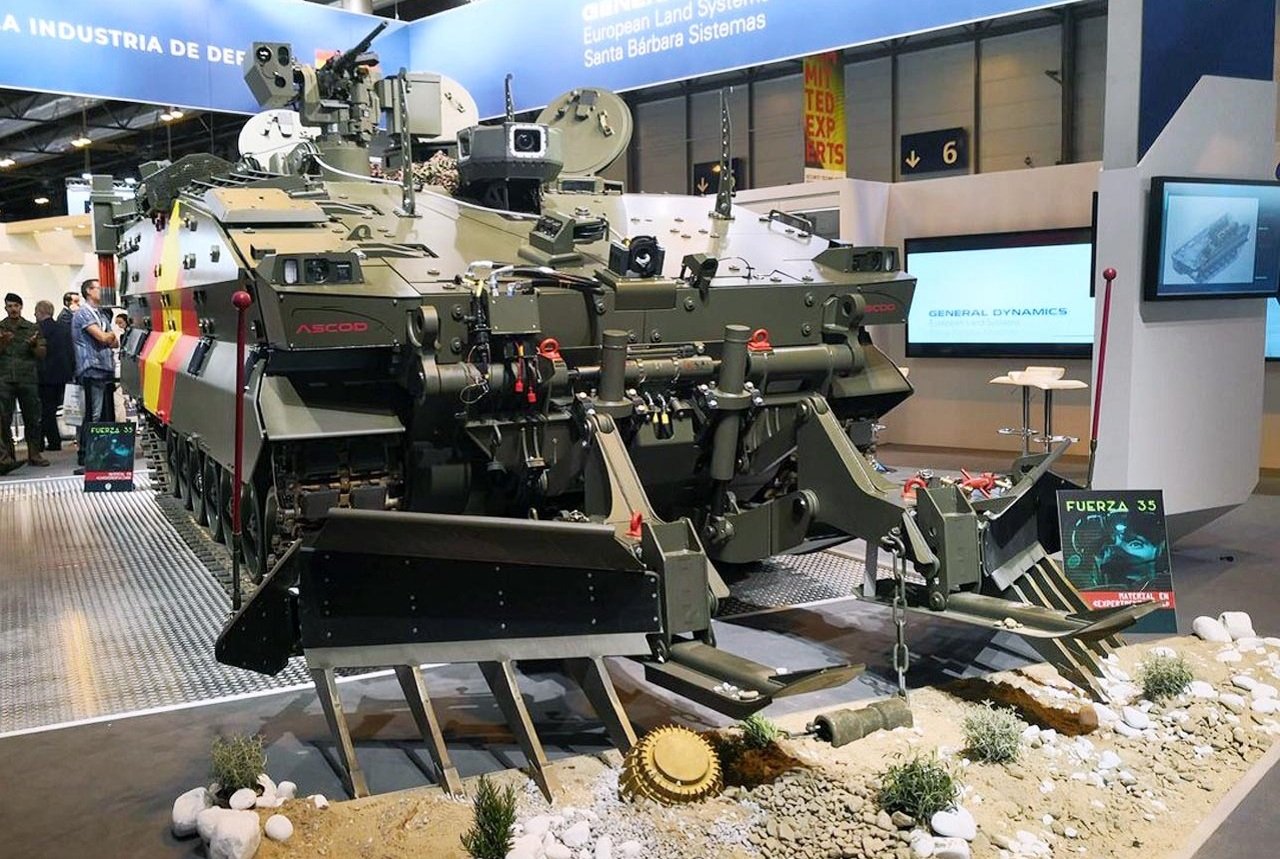
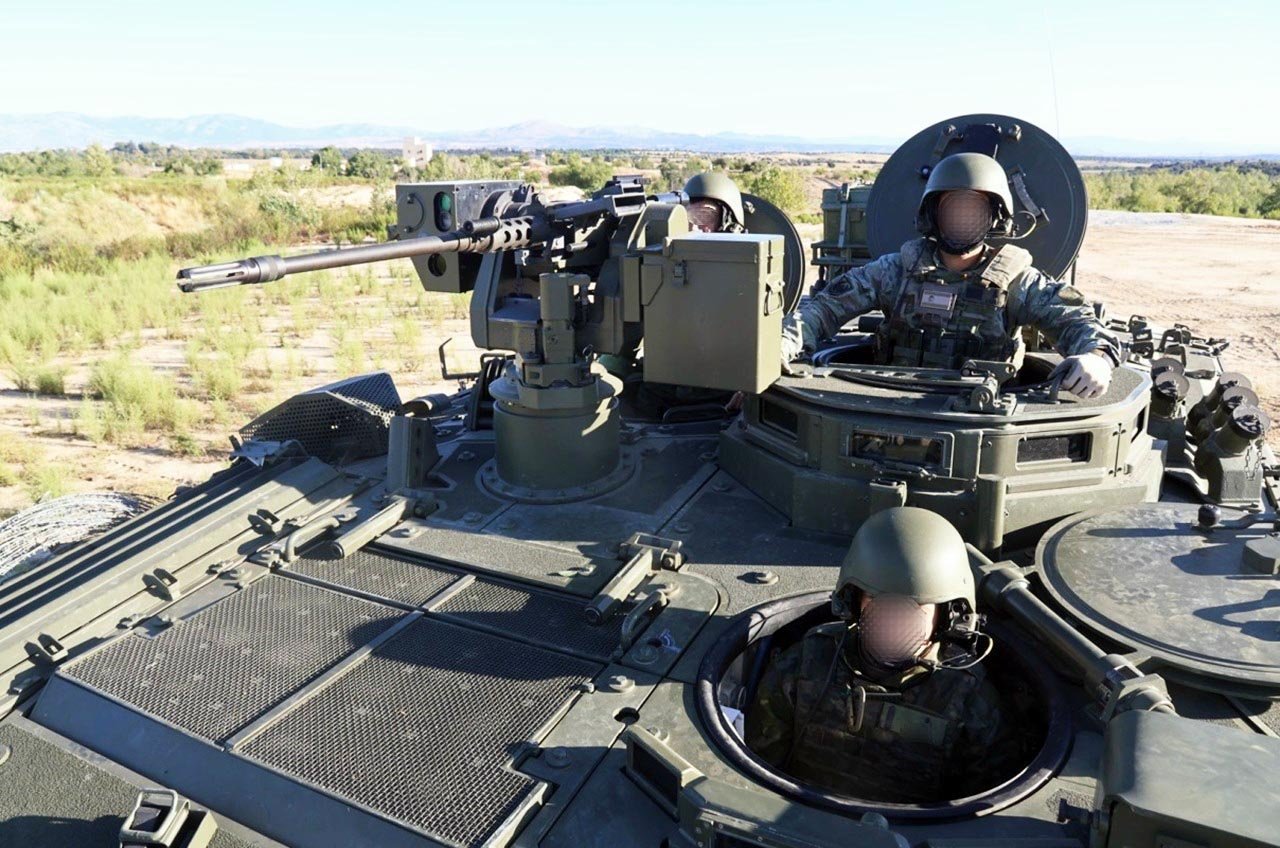
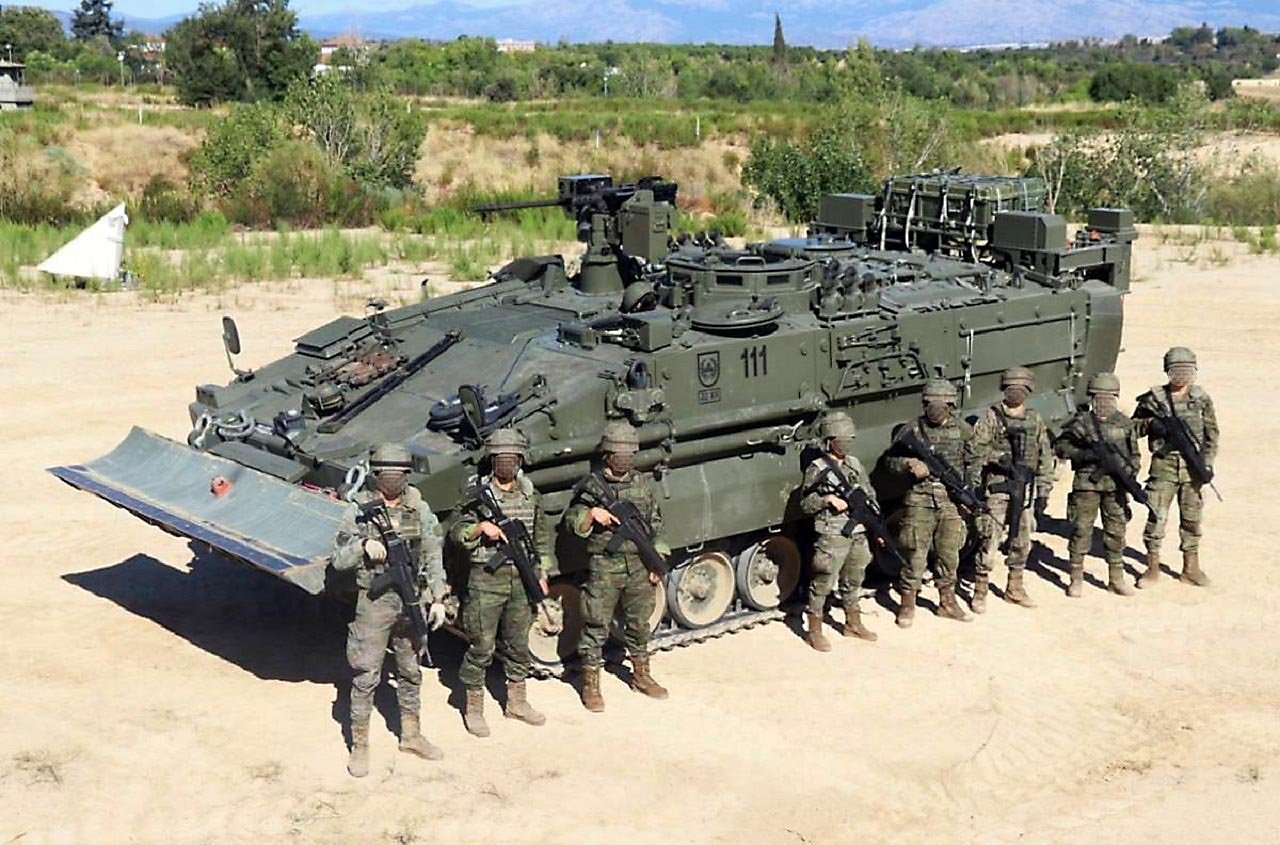
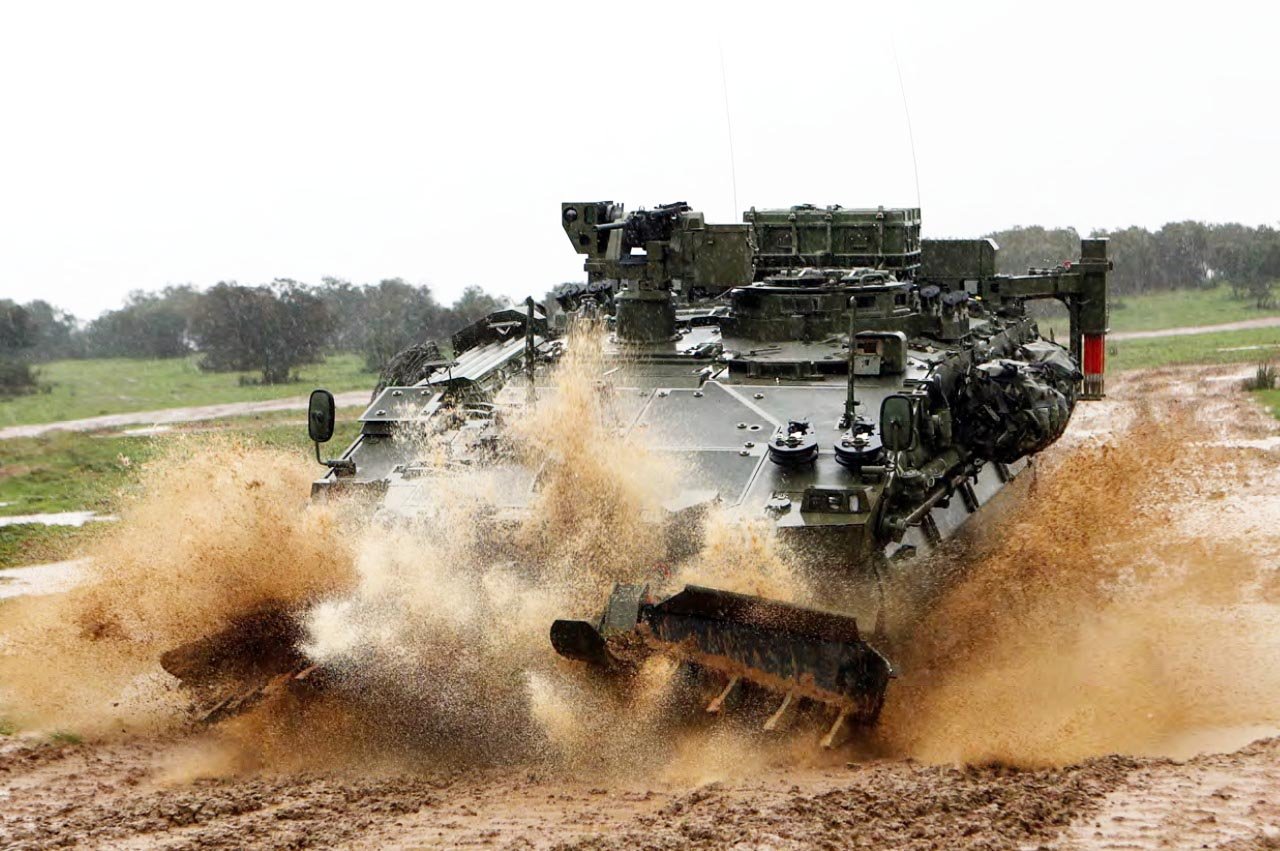
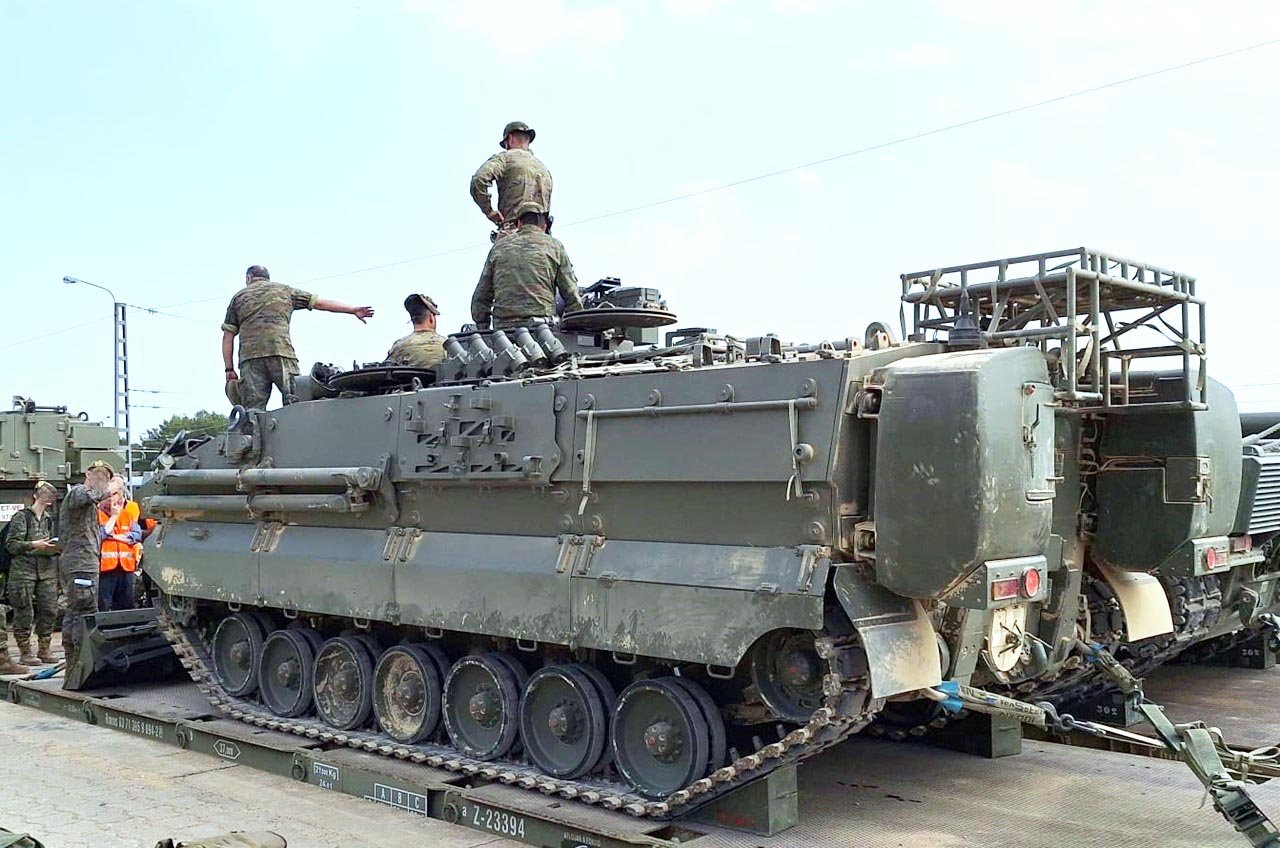
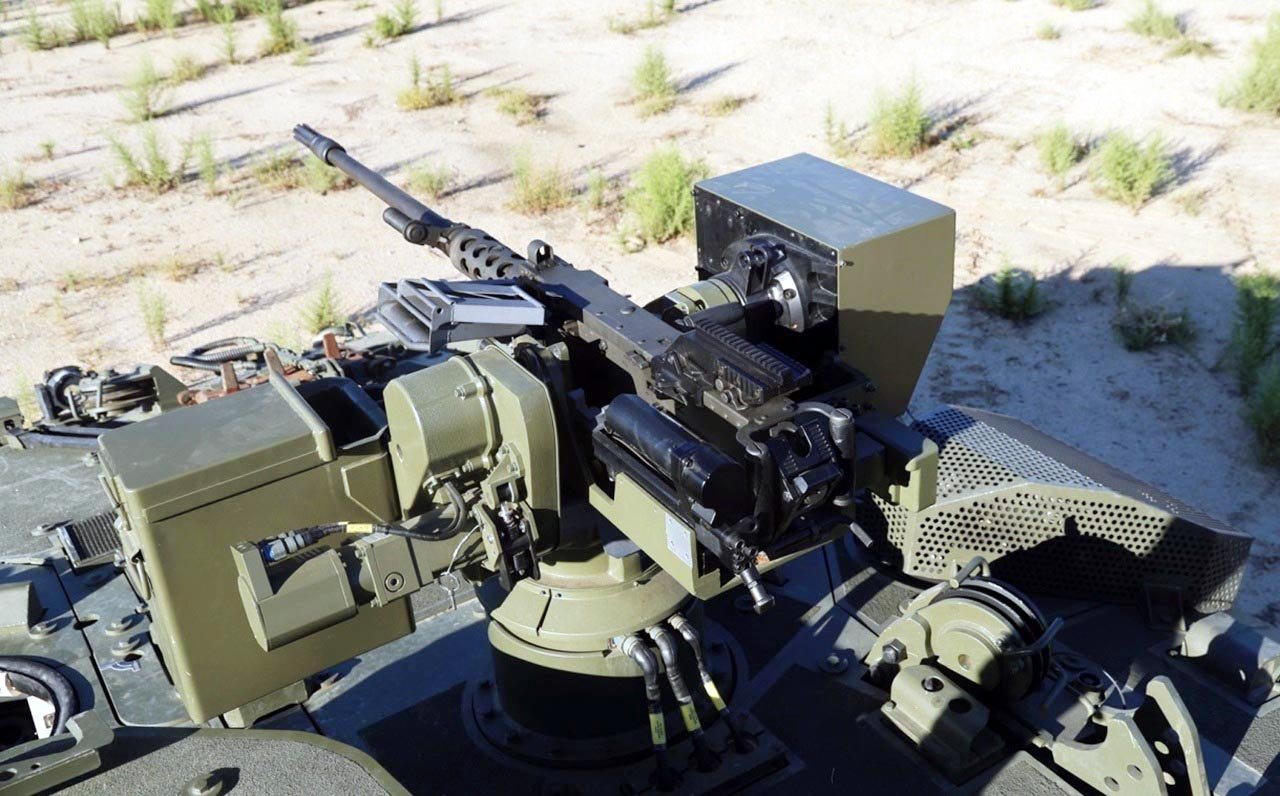
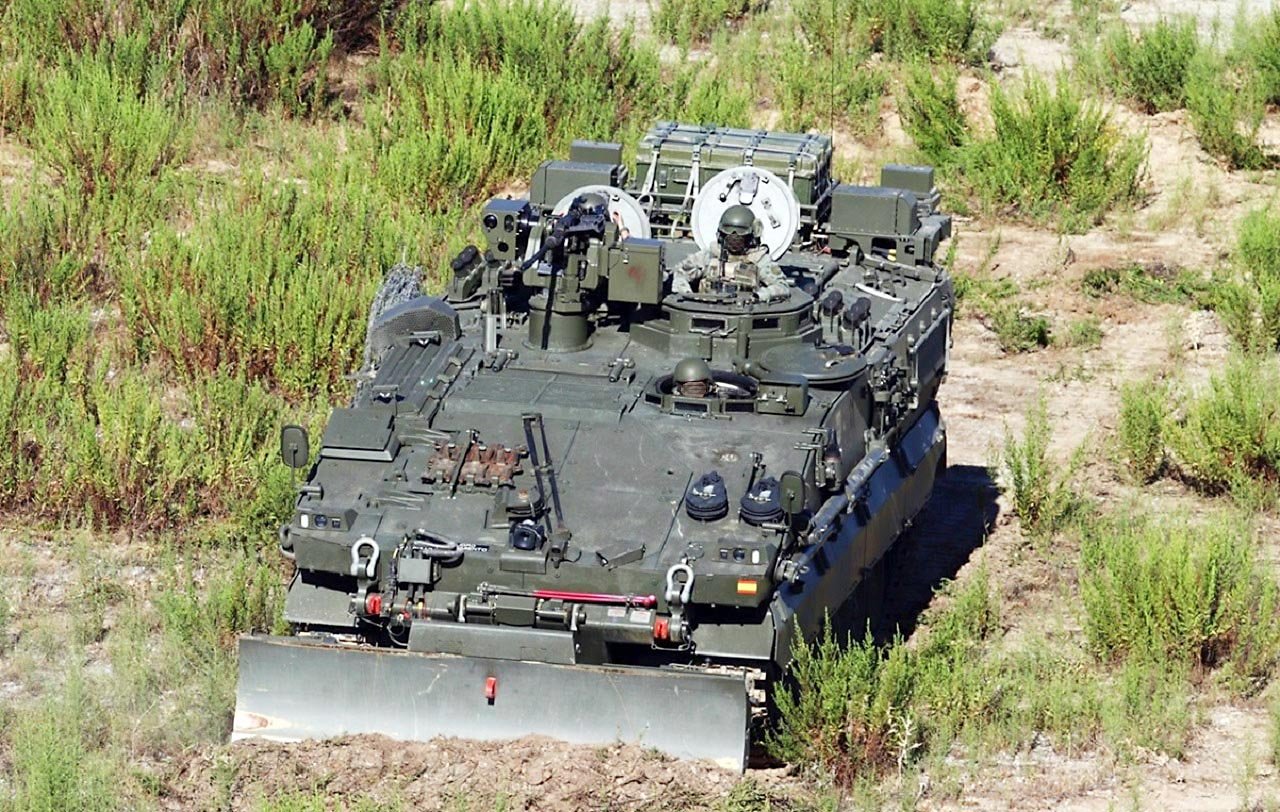
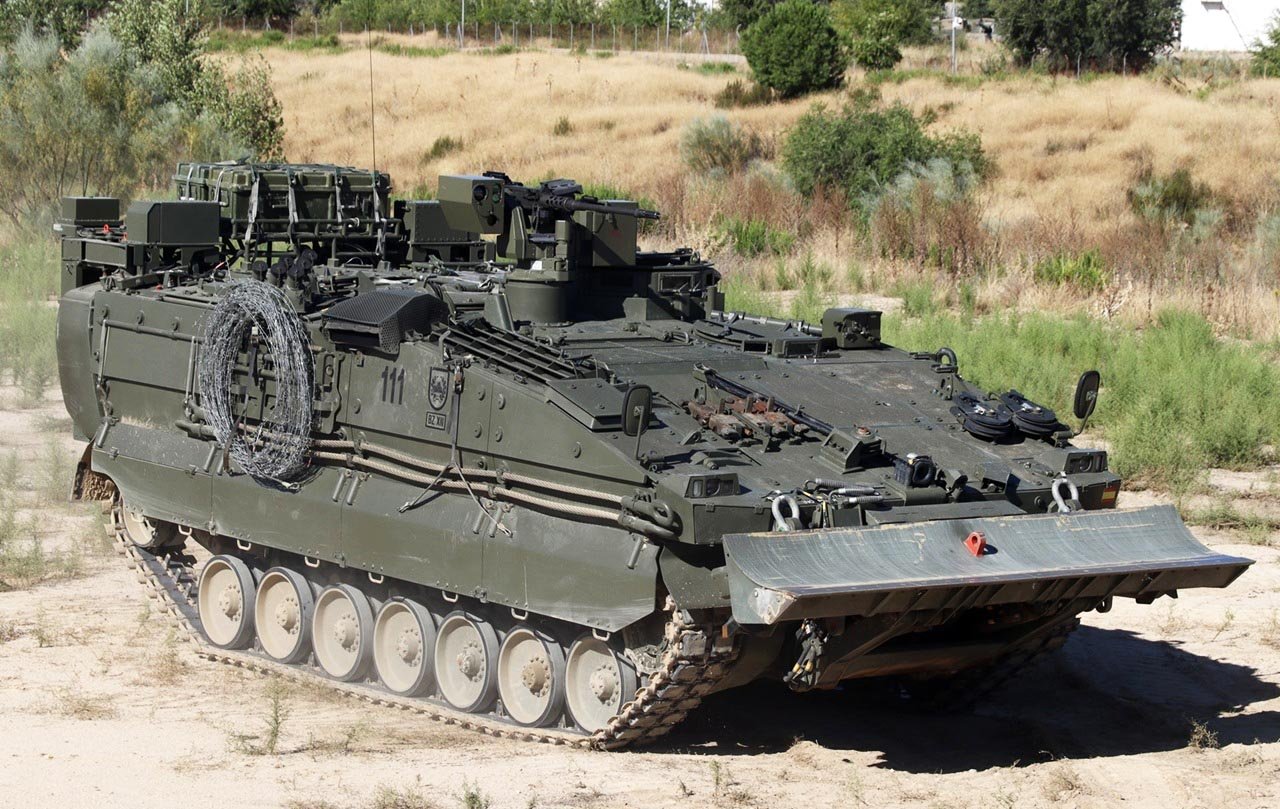
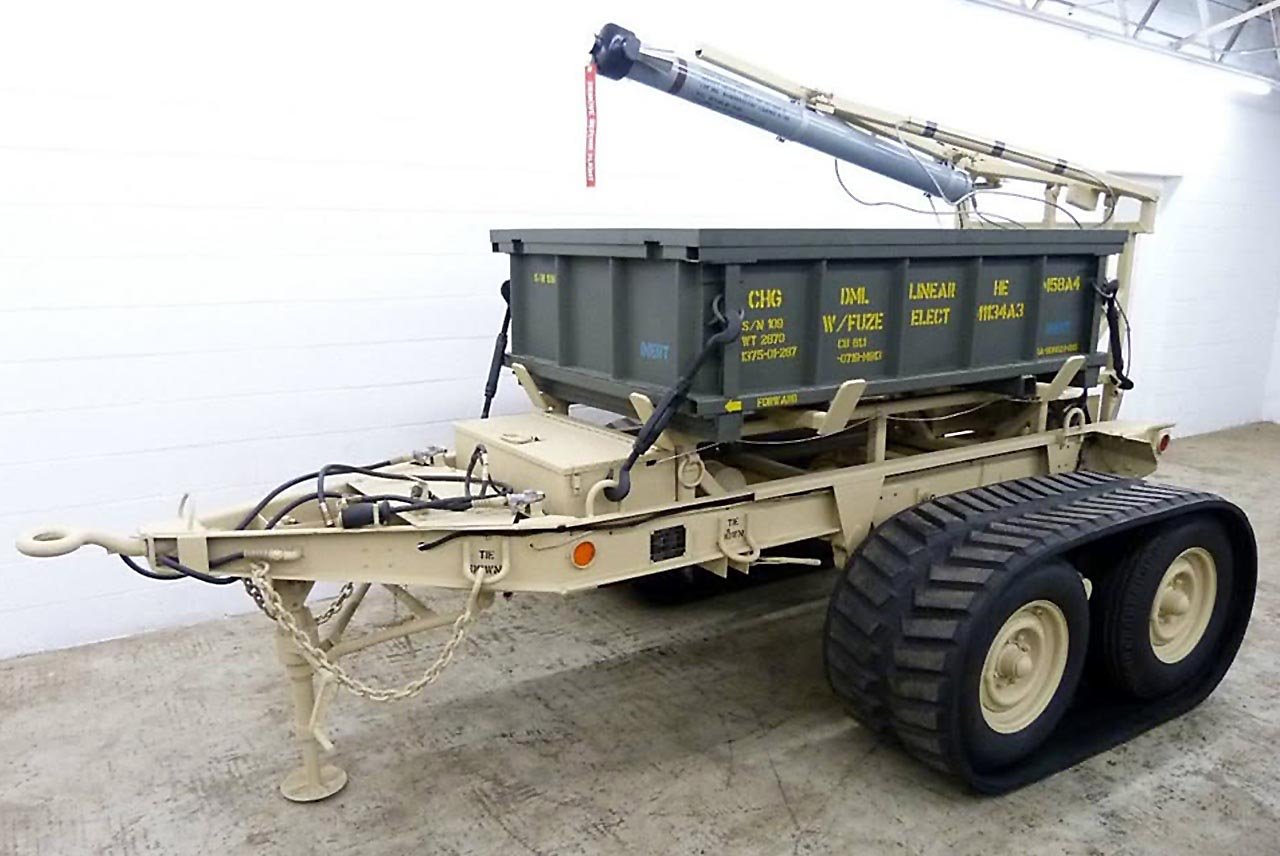
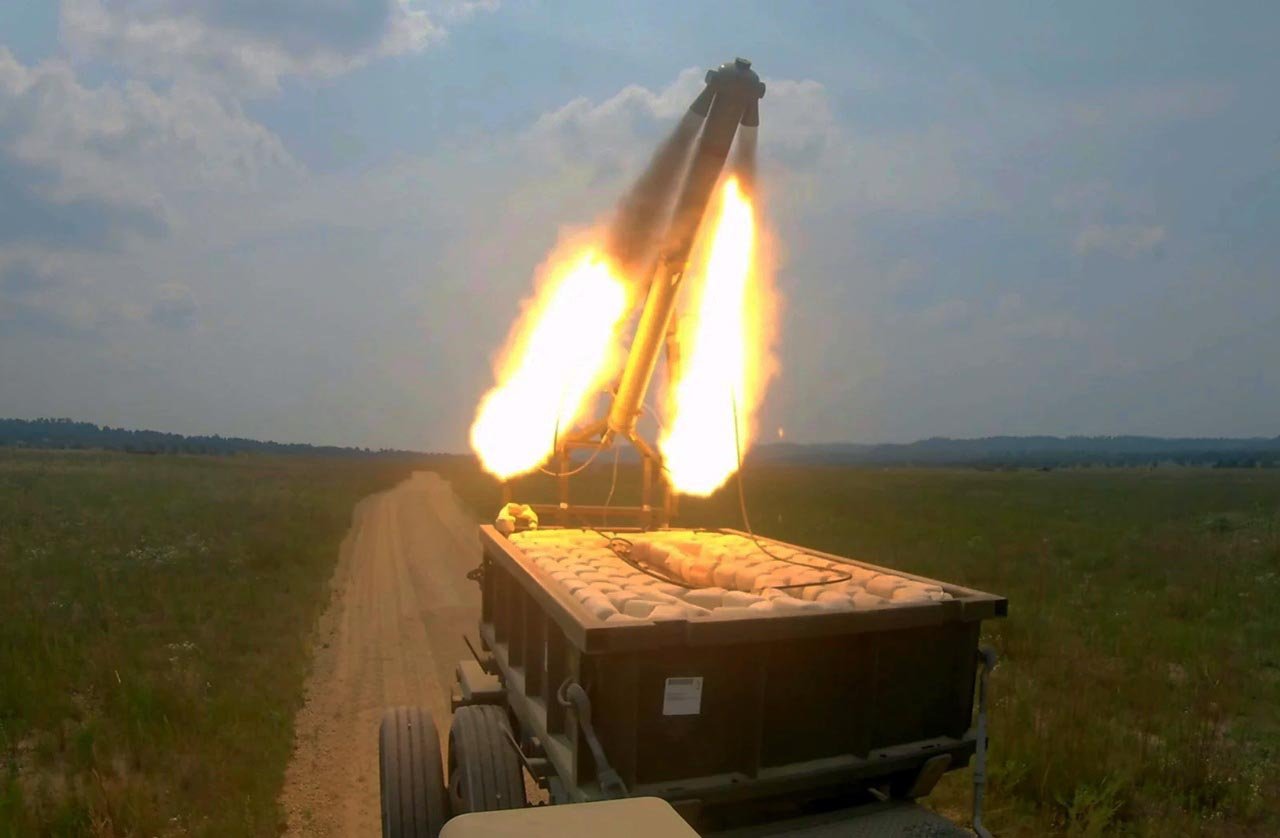
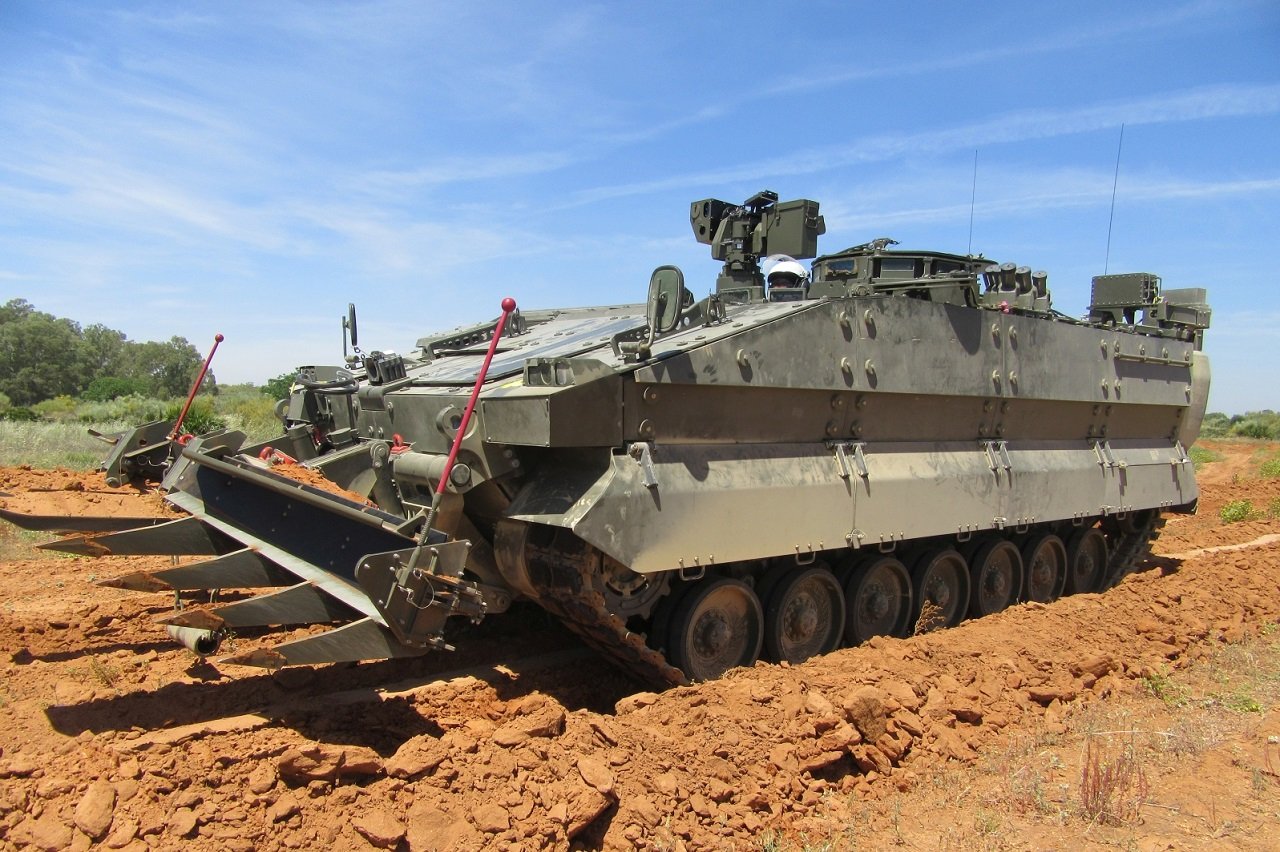
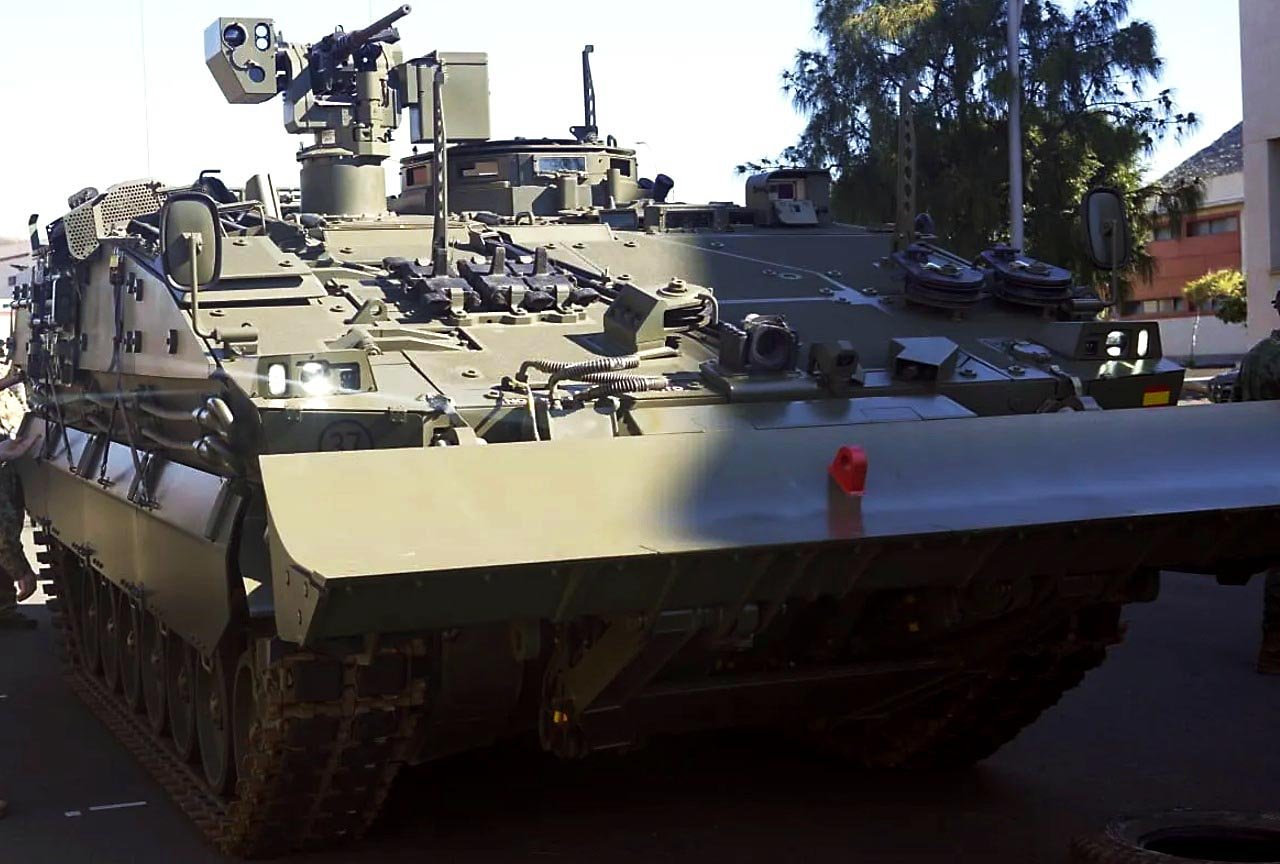
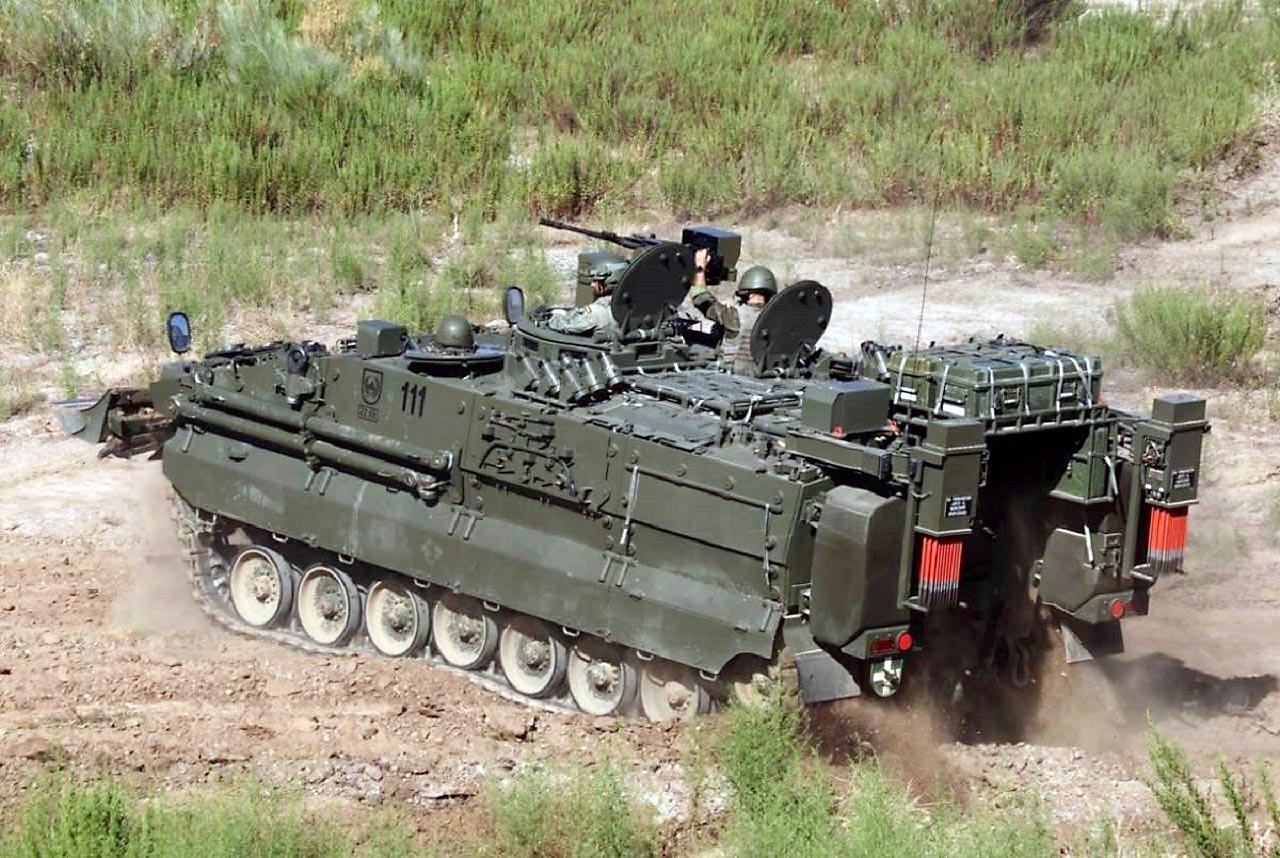
(VCZ Castor & M-113 VCZ image). The first steps towards a new armored engineering vehicle for the Spanish Army were taken in 2000 when the design process began and the requirements for a vehicle designated “Pizarro VCZ” were drawn up. This vehicle used the chassis of the Pizarro IFV, that is, the one from the joint Austro-Spanish ASCOD program. Production was scheduled to begin in 2004, with a planned output of 57 units to replace the BMR VCZ wheeled engineer’s vehicle. However, as is often the case due to a lack of funding, manufacturing was delayed, and it wasn’t until 2017 that the production of 36 vehicles, (one prototype and 35 production vehicles), was confirmed. It should also be noted that they have ended up replacing the M-113 VCZ instead of the planned BMR VCZ, which will be replaced by the new VCZ Dragon 8×8 engineers vehicle.The vehicle’s design began in 2016, using a Pizarro IFV chassis as a base, but finally it was decided that the new vehicle would use the ASCOD 2 chassis, which, being larger, would allow for more internal space and better ballistic and mine protection. Specific engineering vehicle components were added, such as a mine plough, a roller, a breach marking system, and a bulldozer blade, with the possibility of using a mine-clearing line charge (MICLIC M-58) system. With these equipments, the vehicle can perform basic engineering unit functions, including clearing obstacles, supporting mechanized troops, demining paths, constructing trenches, and building obstacles to impede enemy advances.(VCZ Castor prototype image). During the design phase, the vehicle was officially named “VCZ Castor” (Castor (Beaver) Combat Engineer Vehicle), although the designations VCZAP Castor and VZAP Castor can also be found in various publications. The design of the VCZ Castor took into careful consideration the experience of Spanish troops in various international deployments, such as Iraq and Afghanistan, equipping the vehicle with robust protection against mines and IEDs, the main threats they face in operational areas. The Castor’s design involved not only technicians and engineers from the manufacturer, GDELS (General Dynamics European Land Systems-Santa Bárbara Sistemas), but also military engineers from Spanish Army units to ensure it met the most realistic operational needs. The vehicle’s internal ergonomics have also been carefully designed, maximizing space for the crew stations and the personnel compartment located at the rear.The Castor’s internal layout consists of three sections: the front, housing the engine; the central section, where the three crew members are located; and the rear, which is used to transport a squad of five combat engineers or various materials and tools, depending on the mission. The driver/implements operator is positioned on the left side of the central hull area in a separate station from the other two crew members and has three forward-facing vision blocks. Directly behind the driver is the commander, in a slightly elevated position with a cupola equipped with eight vision blocks for 360° observation. To the commander’s right, at the same height, is the gunner/radio operator, who does not have external vision blocks but has a screen and controls for operating the weapon.The vehicle commander directs the driving and the use of the equipment via screens and is responsible for launching the breach marking system’s arrows. The commander has the same visual information as the gunner and controls the armament if needed. The VCZ Castor usually carries a squad of five sappers, with the possibility of increasing this to six. These sappers are responsible for laying mines, clearing mines, setting barbed wire, and generally facilitating the passage of allied troops or hindering that of the enemy. Within this squad are a second gunner and a corporal who can act as the vehicle’s commander if necessary.(VCZ Castor prototype image). The VCZ Castor can reach a maximum combat weight of up to 35 tons and its chassis features a running gear consisting of seven dual-tired rubber road wheels, with the drive sprocket at the front and the idler at the rear. The suspension consists of torsion bars and Piedrafita rotary dampers. The engine is a MTU 8V199 TE20 producing 721 hp, coupled to a SAPA Placencia SG-850 binary logic transmission manufactured in Spain. This transmission has 32 gears without a torque converter. The maximum speed on the road is about 70 km/h and the range is about 500 km. Due to the smaller fuel tank capacity of the ASCOD 2 platform, and in order not to excessively reduce the range compared to the Pizarro IFV, the Castor has two extra fuel tanks installed at the rear ends of the hull, on both sides of the access door to the personnel chamber. The Castor can climb gradients of up to 60%, cross ditches about two meters wide and overcome vertical obstacles of 0.80 meters, and can also ford watercourses up to 1.30 meters deep without preparation.VCZ Castor‘s armor protection consists of rolled steel plates that provide all-round protection against 7.62 mm ammunition. Additionally, the front of the vehicle is protected against 14.5 mm armor-piercing ammunition fired from distances of 500 meters or more. Protection against mines and IEDs is one of the vehicle’s strengths, as it has been designed to absorb the pressure wave generated inside the vehicle by a mine. The vehicle is equipped with an automatic fire suppression system and a NBC protection system that uses internal overpressure. The seats are ergonomic and mine-resistant, designed to absorb the energy produced in a explosion and provide maximum protection to their occupants.The armament consists of a Rafael Defense Mini Samson RCWS (remotely controlled weapon station) equipped with a 12.7mm Browning M-2HB heavy machine gun for self-defense. This weapon is fully gyro-stabilized and capable of accurate fire on the move. It also features an all-weather target acquisition system with a thermal imaging camera. The VCZ Castor also has two groups of six 76 mm Wegmann multi-purpose grenade launchers, each located on the roof in the middle of the hull. The vehicle is equipped with a thermal camera and night vision, allowing it to operate in all weather conditions.The VCZ Castor features various engineering-specific implements, such as the mine plough, the roller, and the dozer blade, wich are installed using a flexible automated system to install them on anchors located on the front of the hull. Additionally, this vehicle features an automatic breach marking system installed on both sides of the rear and demolition charges and blasting systems for obstacle removal. This breach marking system projects arrows onto the ground, along the track’s running line, indicating the route for maneuvering units to follow. Furthermore, the vehicle carries specialized equipment such as pulleys, tow bars, hitches, barbed wire and a tool kit located at the rear, just above the access door.The engineers’ equipment is completed by an 8-ton capacity winch, which can be used to recover stuck light vehicles and remove obstacles when necessary. The winch is located next to the RCWS pedestal, and the cable guide is positioned in the center of the hull’s front. VCZ Castor has been designed to support significant growth, as it incorporates pre-installed mountings for future mission equipment, such as new communications, command and control systems, active protection systems (APS), additional armor (removable add-on kit) and weapons up to a maximum of 13 tons.(M-58 MICLIC image). The VCZ Castor is introducing a new demining system to the Spanish Army’s engineering units: the M-58 MICLIC (mine-clearing line charge). This system fires a hose-like structure composed by explosives (linear charge) attached to a rocket motor that propels it approximately 120 meters (400 feet) ahead of the launcher. The system consists of an M-147 firing kit, an M-58 line charge, and a 5-inch Mk.22 Mod 4 rocket, all transported on a 3.5-ton M-353 or 2.5-ton M-200A1 wheeled trailers, or an M-200 tracked trailer. On this occasion, the Castor will be using the towed variant. The linear charge is 107 meters (350 feet) long and carries 2.27 kg (5 pounds) of C4 explosive per linear foot (30 cm), totaling approximately 792 kg (1,600 lb) of explosive per linear charge.(M-58 MICLIC image). The linear charge is fired approximately 120 meters ahead of the vehicle to detonate all mines within that area before the mine-clearing plow or roller passes over the minefield. The explosion opens a mine-free corridor approximately 8 meters wide and 100 meters long, making this system particularly effective against fuzed land mines. The M-147 firing kit can be installed directly on vehicles such as the M-1150 Assault Breacher Vehicle and the M-48/M-60 AVLB bridge-laying vehicles. Once fired, the system can be manually reloaded in about 30 minutes.(VCZ Castor prototype image). The vehicles have been manufactured at the GDELS-Santa Bárbara Sistemas facilities in Trubia (Oviedo), but have been assembled at the GDELS factory in Alcalá de Guadaira, Seville, where the crews, mechanics and drivers have been trained. The prototype was delivered at the end of 2018 and testing began in January 2019, when the vehicle was delivered to the Engineer Battalion of the 10th Mechanized Brigade “Guzman el Bueno”, based in Cerro Muriano, Córdoba. Testing continued until the end of 2022, when the VCZ Castor was approved for service. During this period, several crews and maintenance personnel were also trained to ensure the fastest possible integration of the new vehicle into the units.The first six VCZ Castor vehicles were delivered to the Spanish Army on December 13, 2023. The ceremony took place at the GDELS factory in Alcalá de Guadaira, Seville, and was attended by various political and military authorities. This vehicle is 100% Spanish-designed and manufactured specifically for engineering units, and it is the first completely new vehicle of its kind to enter service in the last 50 years. Finally, deliveries were completed in February 2025, when the last nine vehicles were delivered. The 36 VCZ Castor vehicles have been distributed among the Guzmán el Bueno X, Extremadura XI, and Guadarrama XII Mechanized Brigades, the Aragón I Brigade of the Castillejos Division, and the 1st Engineer Regiment, attached to the Army’s Maneuver Support Command.On June 8, 2024, two VCZ Castor vehicles belonging to the engineer battalion of the Guadarrama XII Mechanized Brigade were sent to Drawsko Pomorskie (Poland) to participate in the international exercise EURETEX 2024, organized by the Eurocorps. This was the first time these vehicles had deployed outside of Spain. The arrival of a new vehicle designed from scratch and specifically conceived to meet the requirements of engineering units has represented a major step forward in the operational readiness of the Spanish Army. Previous vehicles, such as the M-113 VCZ or the CZ-10/25E Alacran sapper tank, were adaptations of other types of vehicles, which were not always suitable for these tasks. Furthermore, the aforementioned vehicles could not keep pace with more modern vehicles, but thanks to the Castor’s entry into service, engineer units can now accompany and keep pace with mechanized units composed of Pizarro IFVs and Leopardo 2E MBTs.