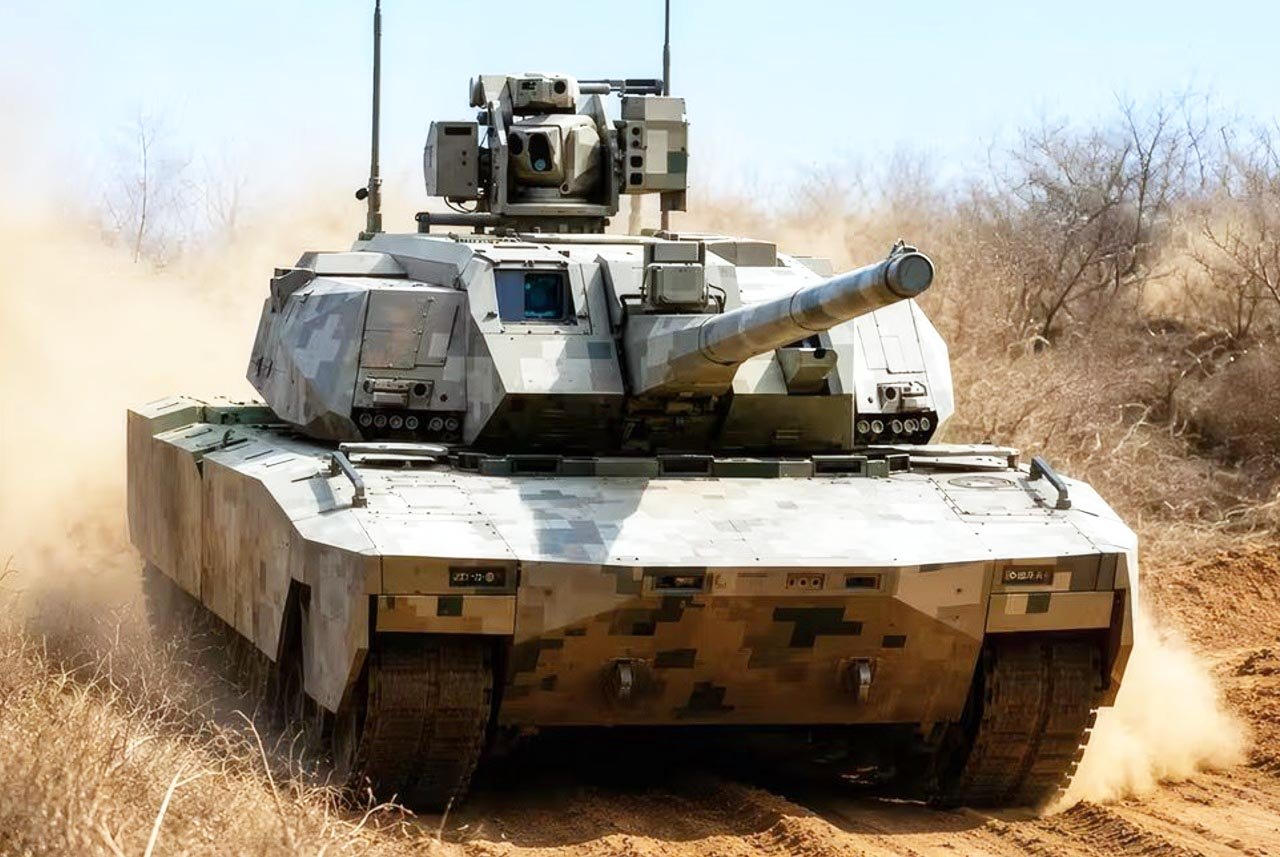
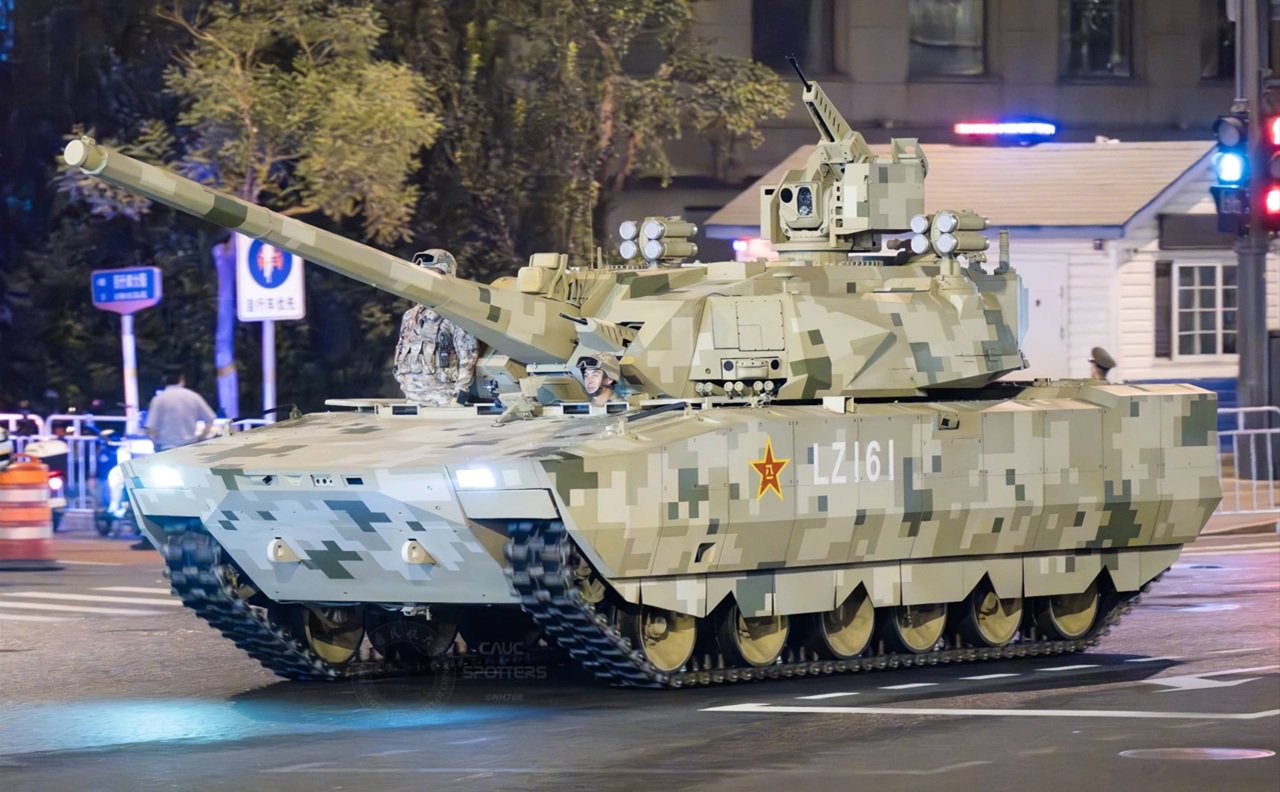
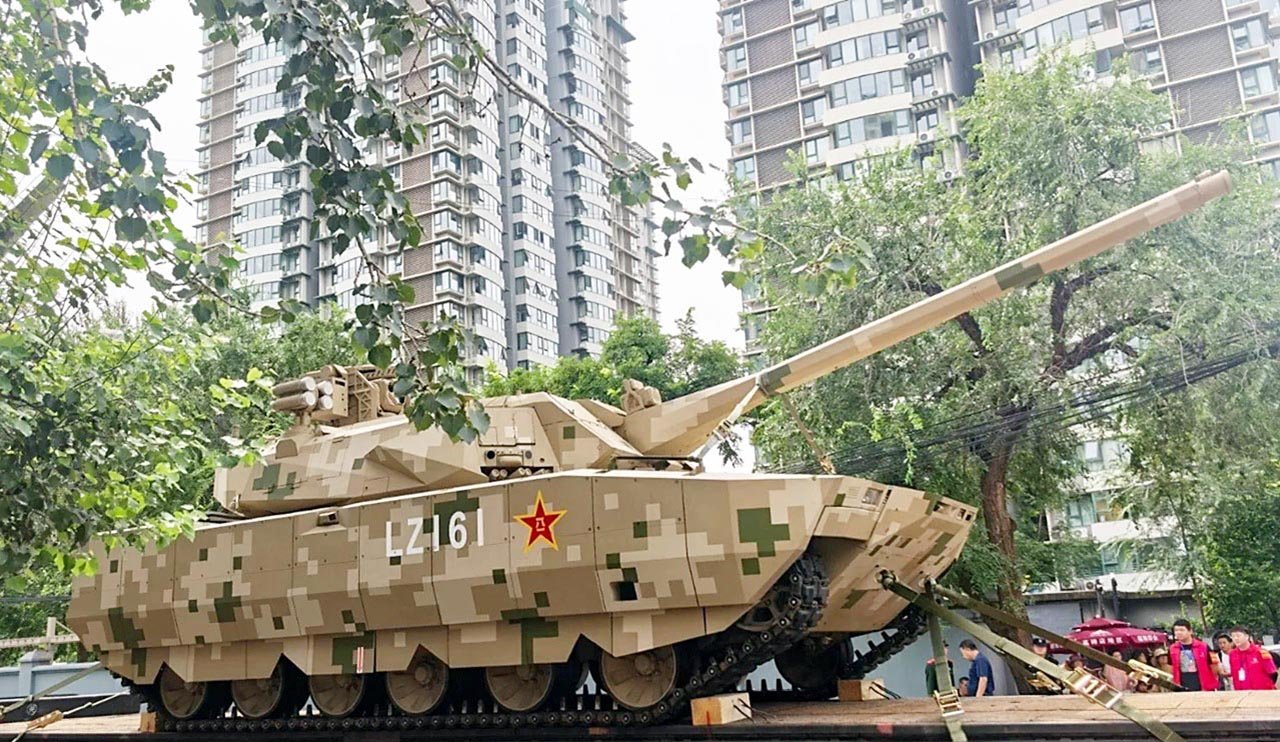
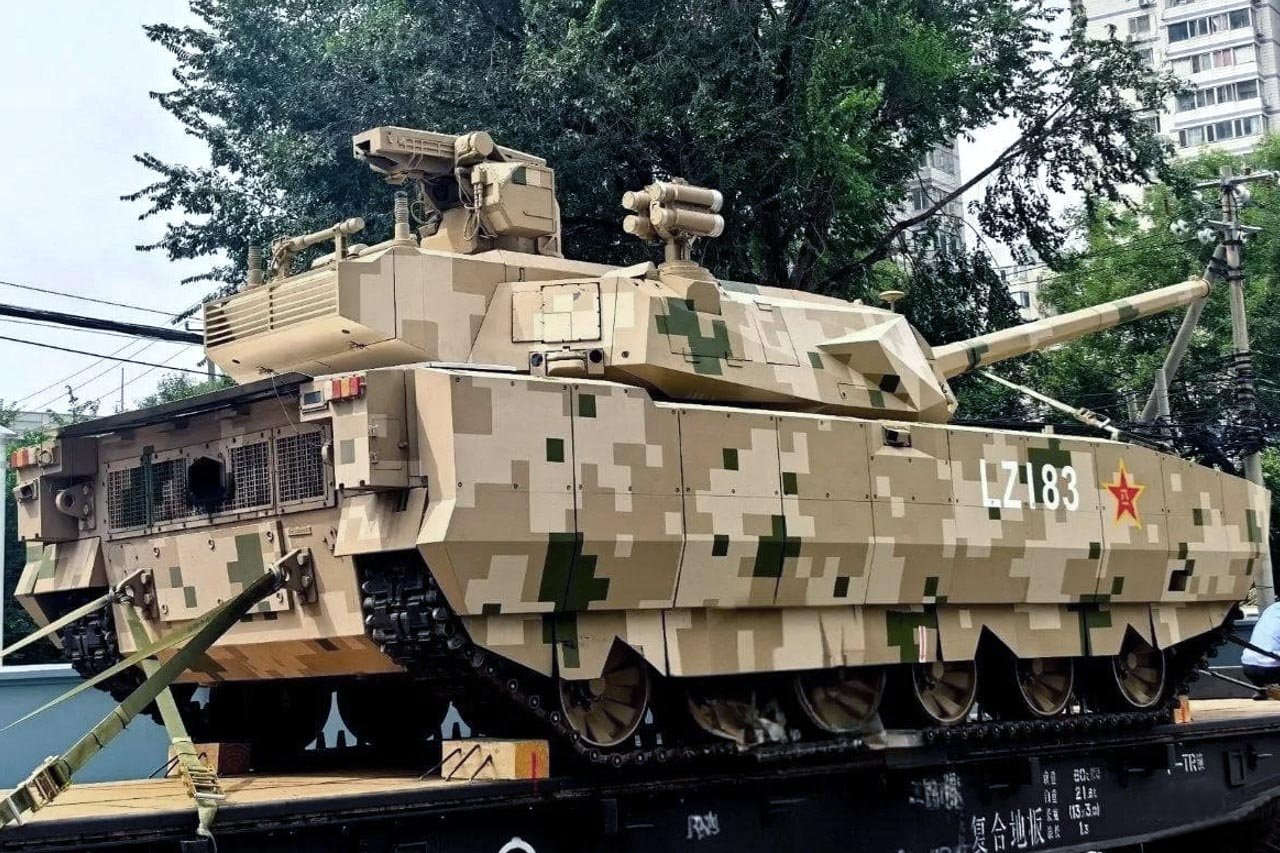
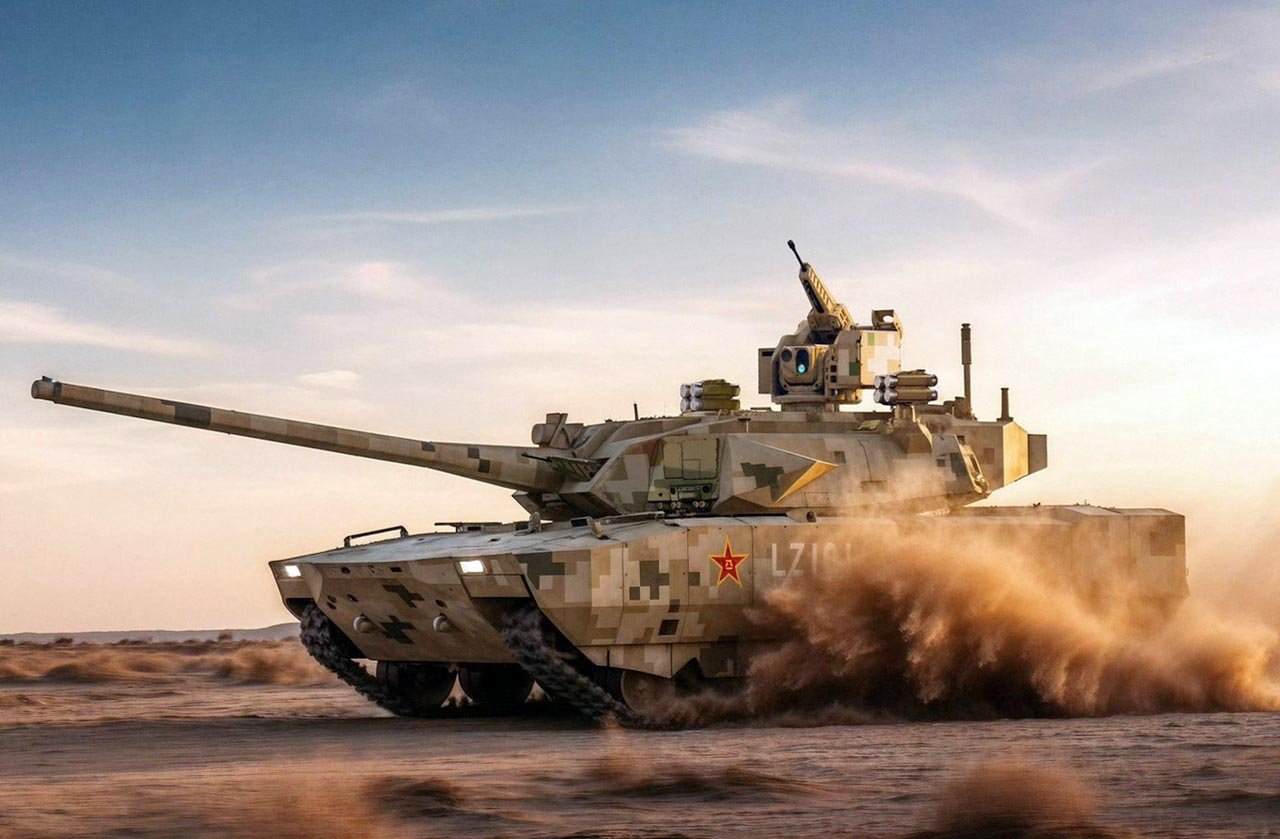
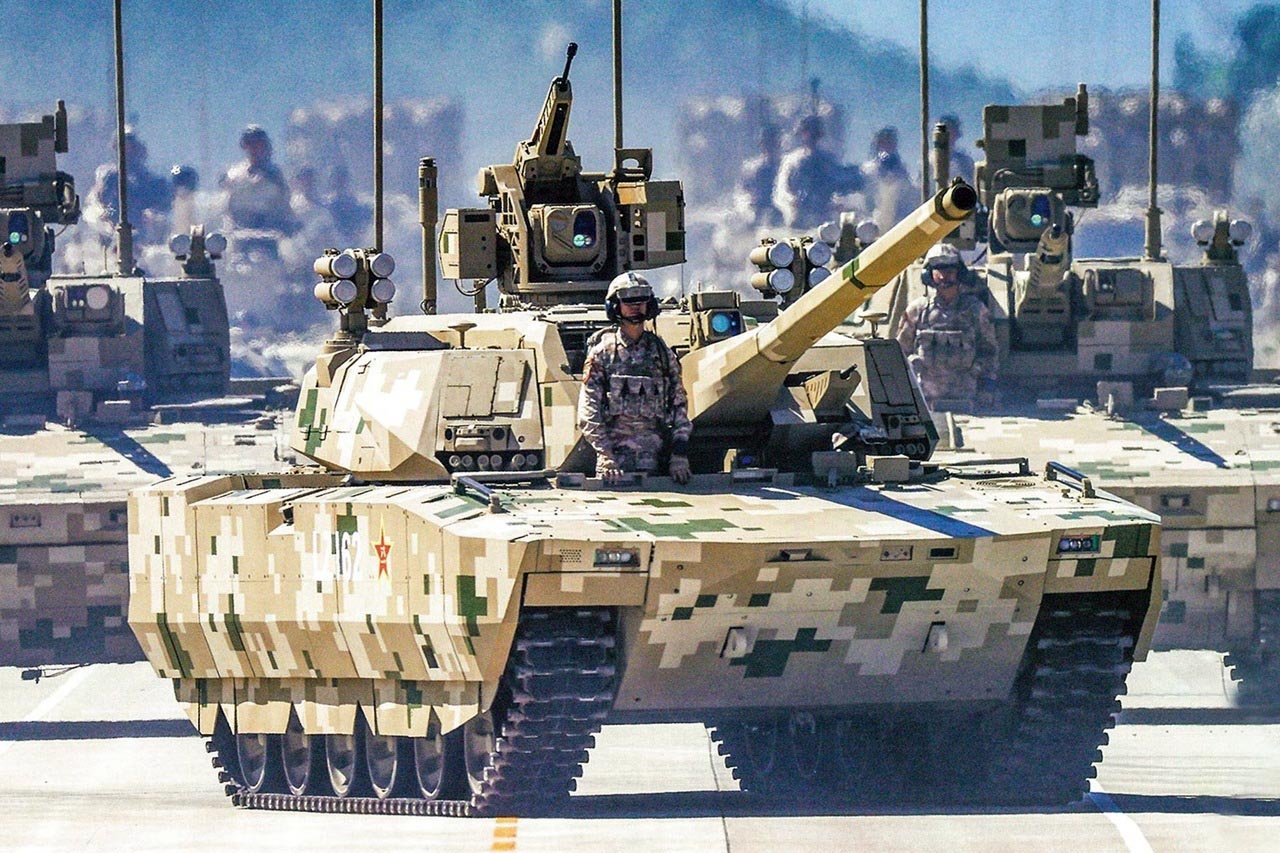
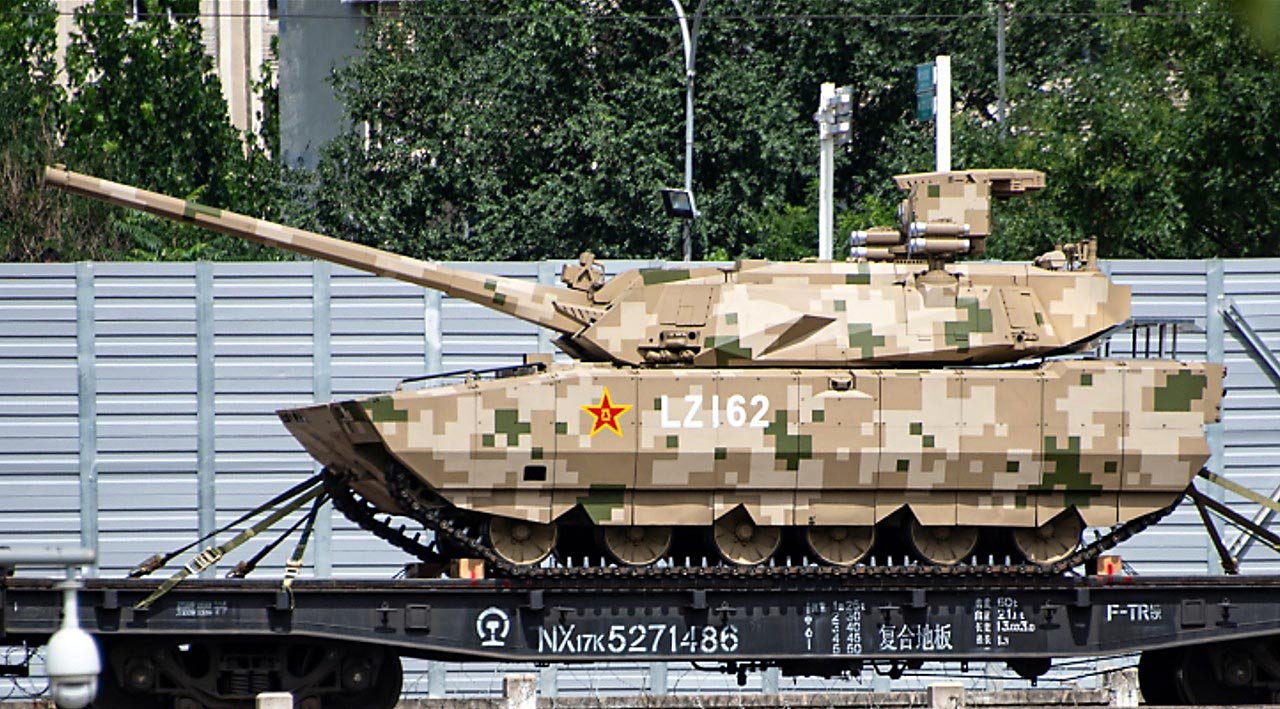
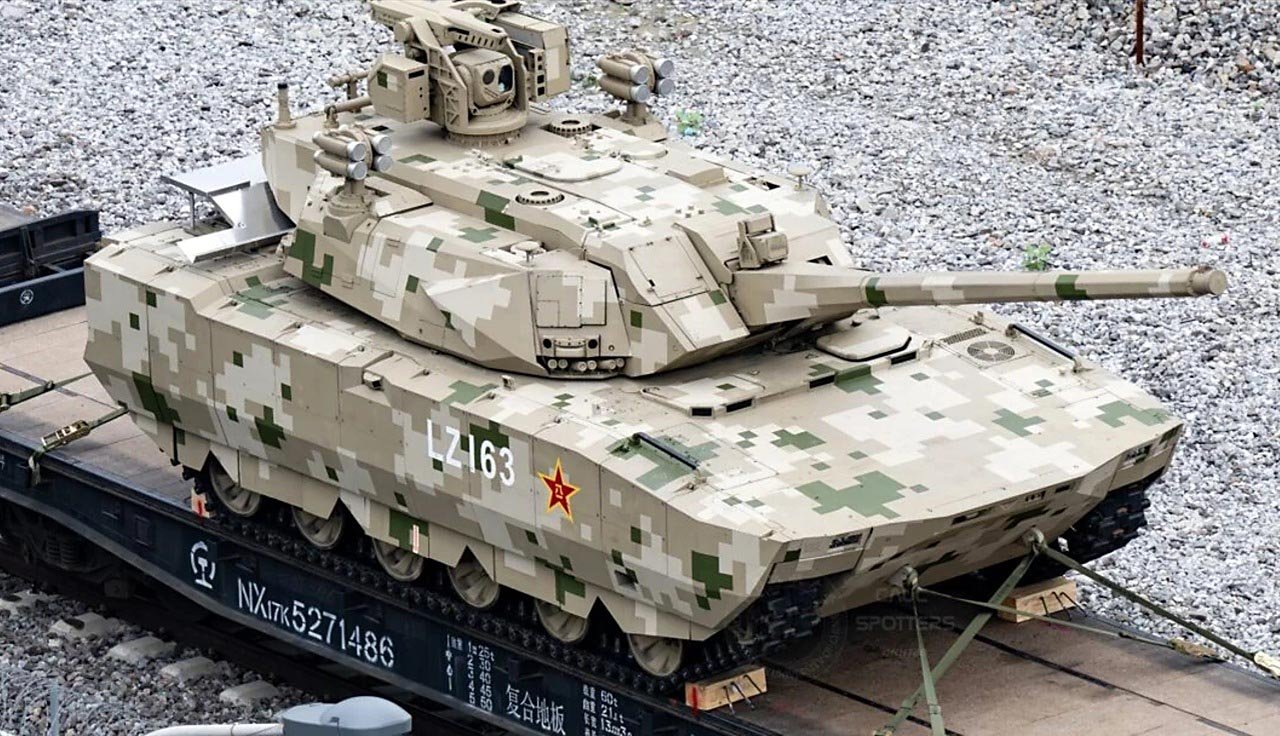
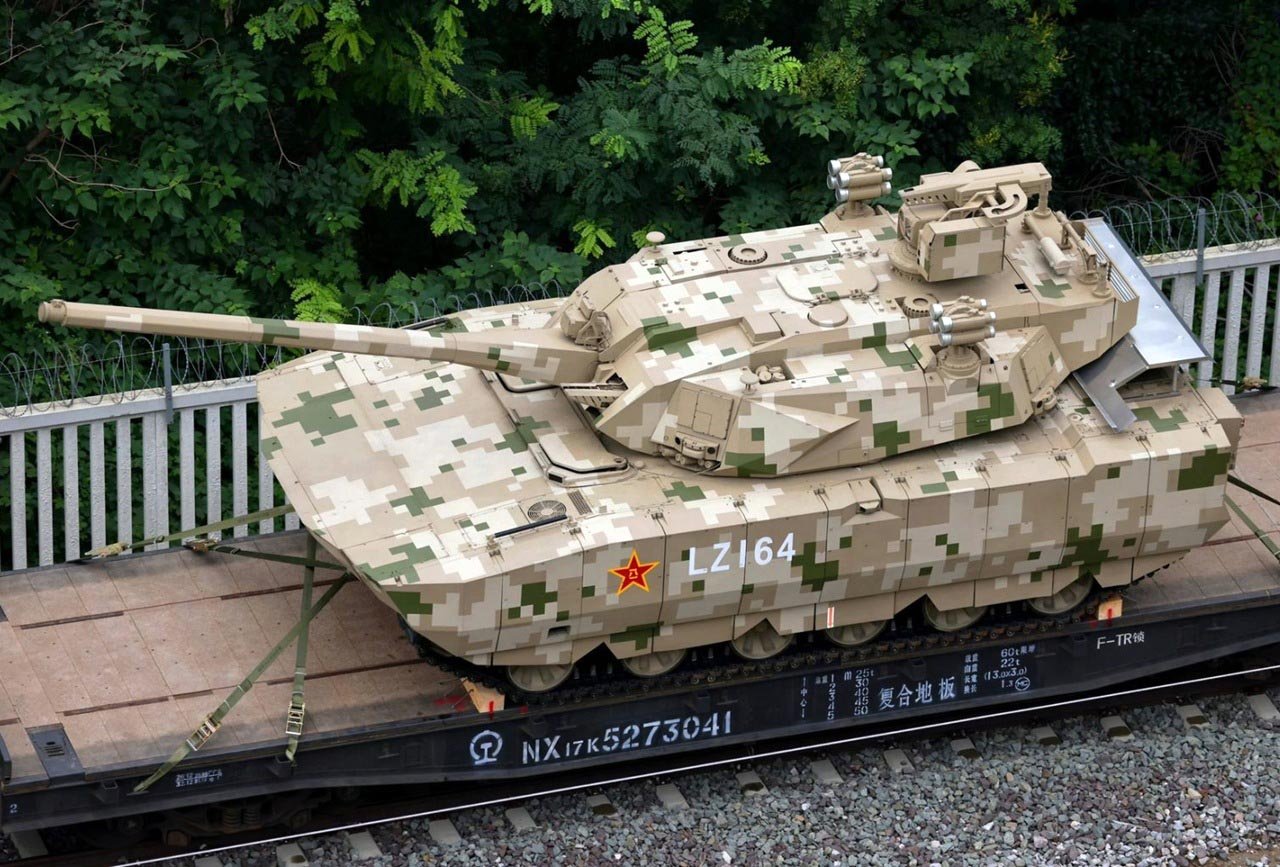
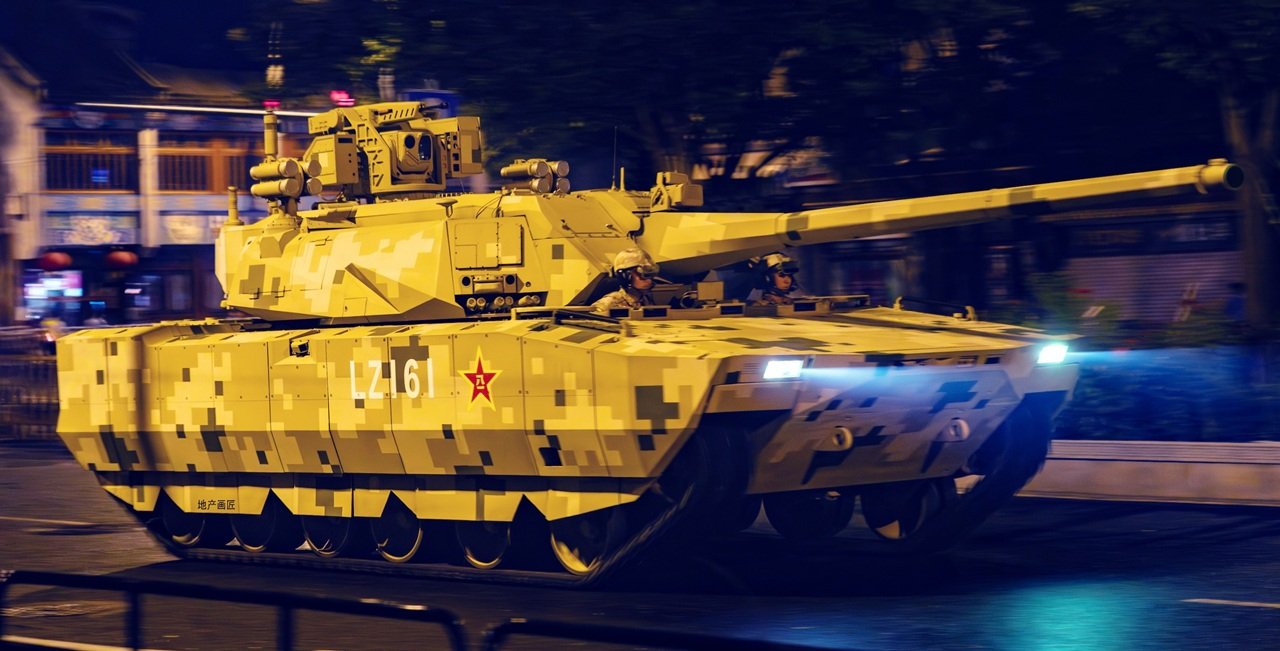
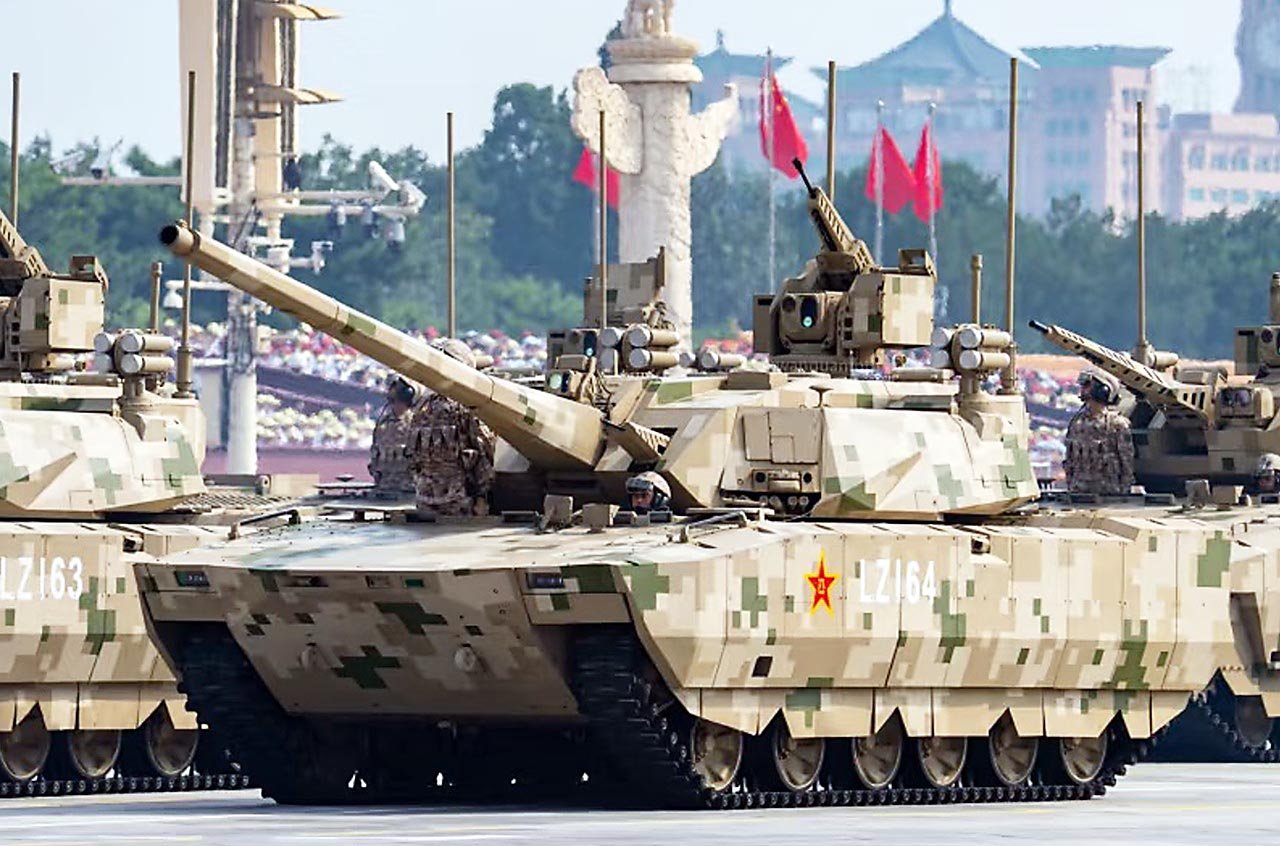
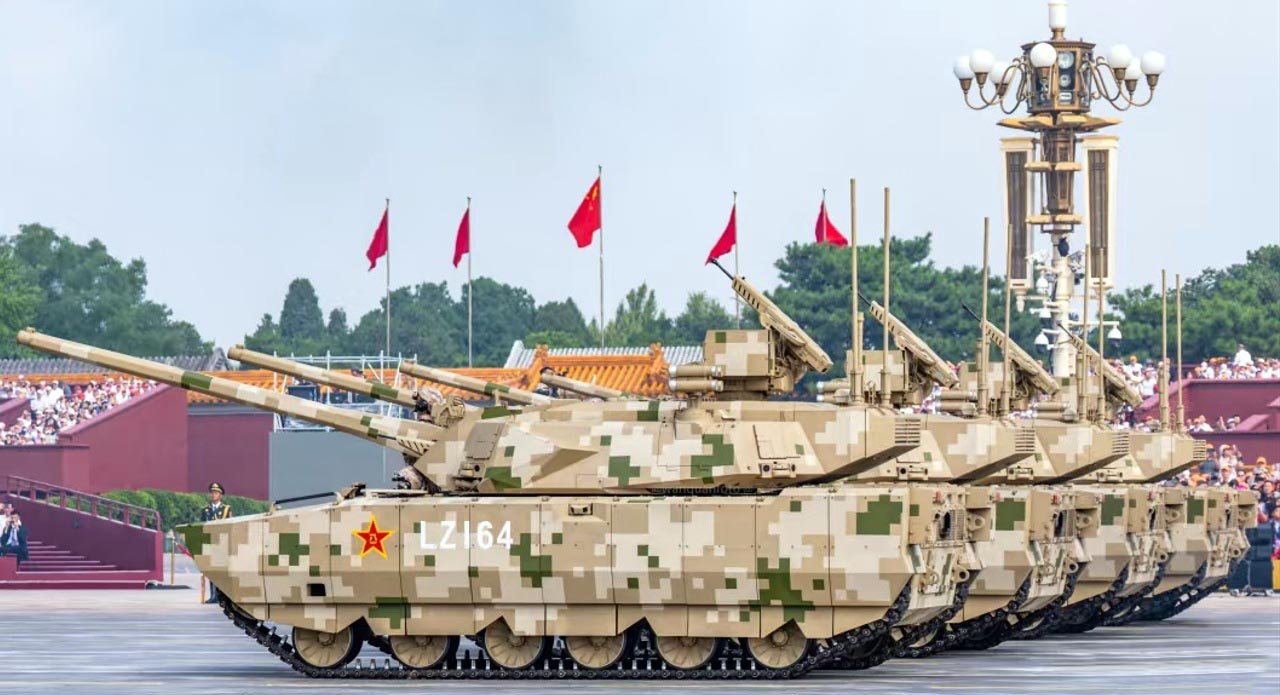
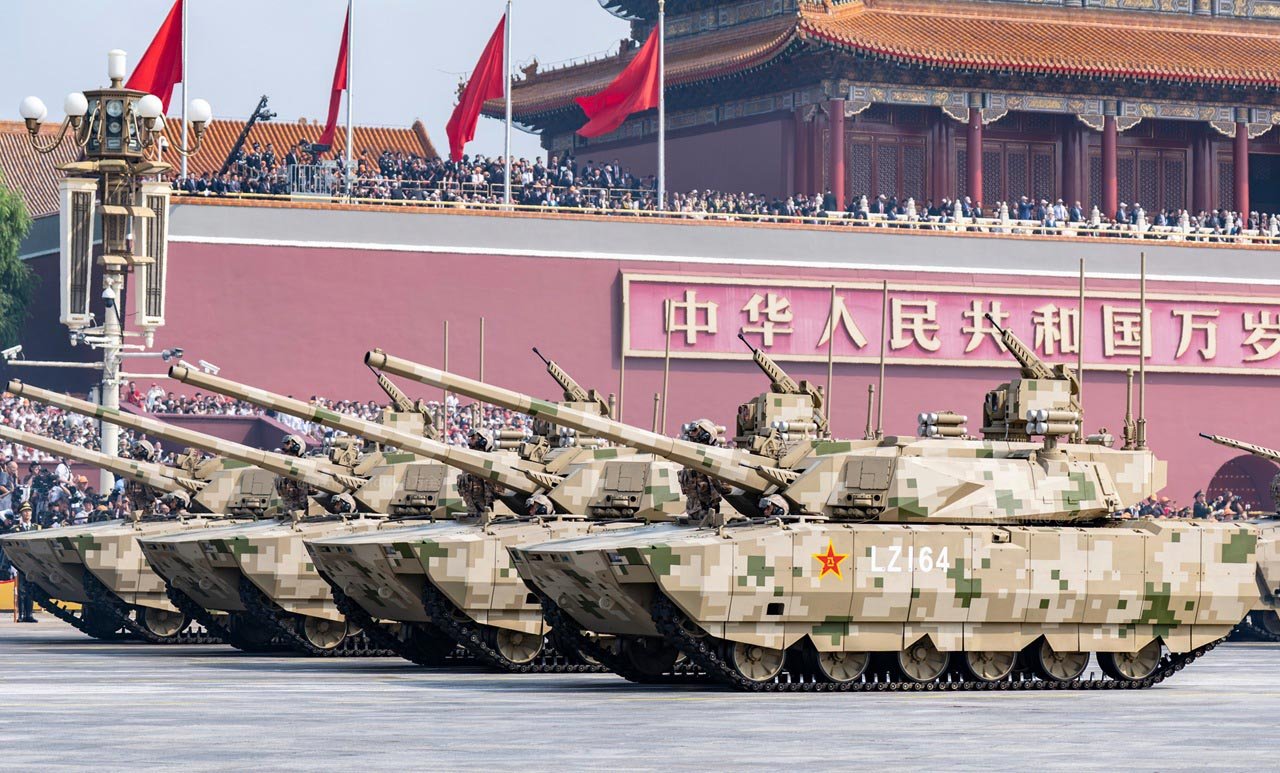
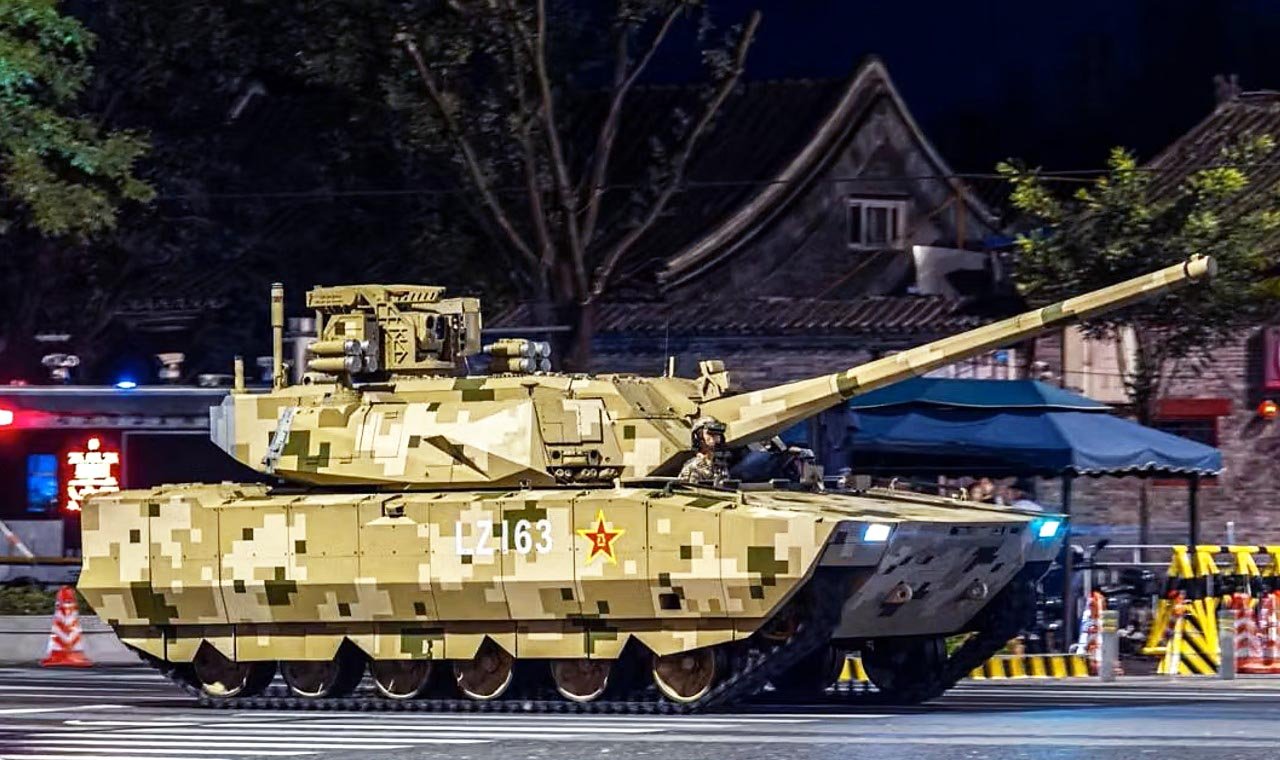
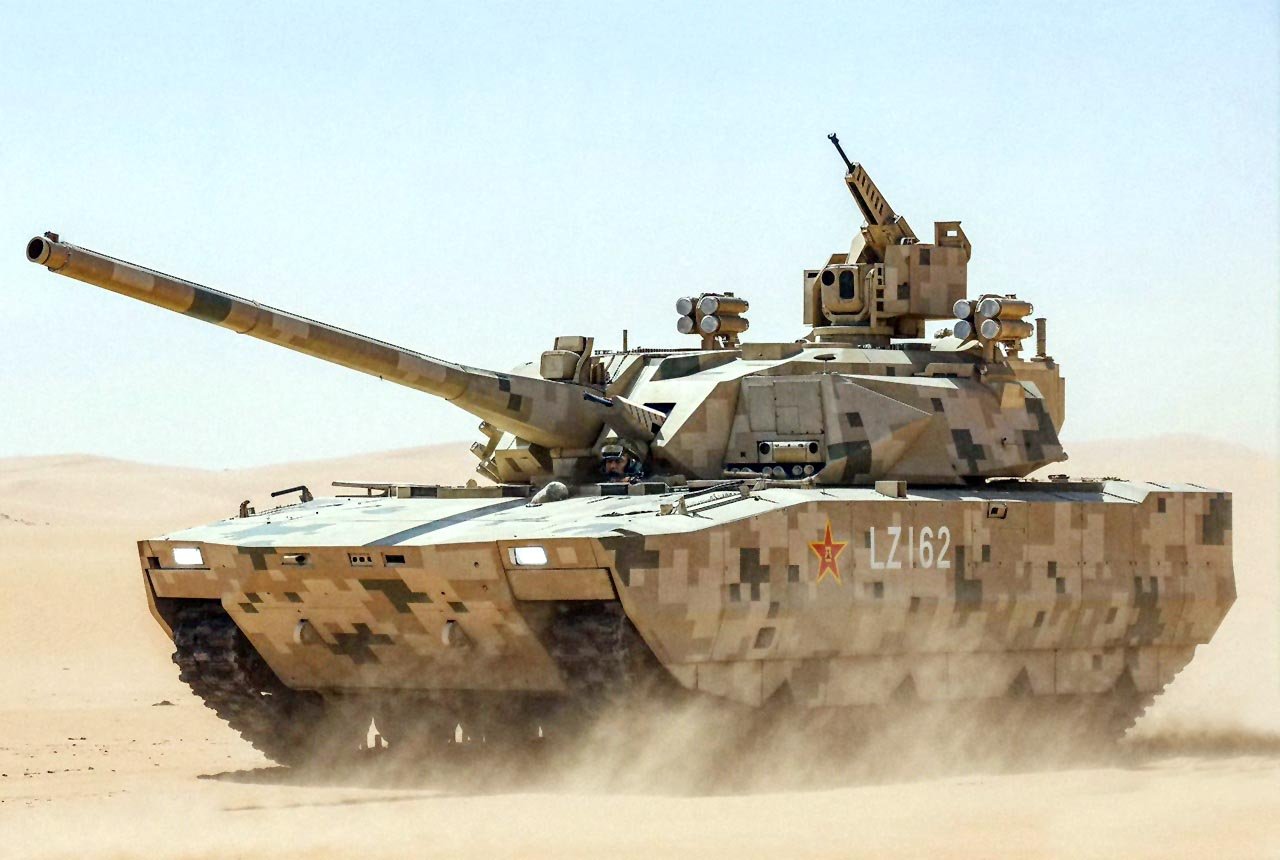
It is estimated that the development of the Type 100 medium tank began in 2016, a fact indirectly confirmed on a program broadcast on the state channel CCTV, when a manager from the China North Industries Group (NORINCO) stated the existence of a development program for a fourth-generation battle tank. In October 2022, deliberately blurred and obscured images of a tank were shown on another television program; these were presented as a technology demonstrator of a new fourth-generation tank. In January 2023, a technology demonstrator was publicly displayed at the Second International Forum for Engineering and Technology Strategy for Aerospace and Shipbuilding. This vehicle was unofficially nicknamed “Double Outrageous” due to its radical technology and design. In 2024, a new tank was observed undergoing trials, presumably the tank designated as “ZTS-201”, which may actually have been the prototype of the current Type 100 medium tank.A new tank was first seen in public during the Victory Day Parade rehearsals in August 2025, sparking the curiosity of experts and analysts. It was a tank with a completely futuristic design, very similar in some of its lines to the Russian T-14 Armata MBT, although much smaller, indicating that it was a medium tank weighing around 40 tons. A couple of weeks later, during the Victory Day Parade held on September 3rd in Beijing, four of these tanks were seen alongside four other combat vehicles using the same hull. It was later confirmed that they were the Type 100 medium tank (ZTZ-100) and the Type 100 Combat Support Vehicle (CSV), which in fact form an operational tandem. Thus, the ZTZ-100 is expected to lead the attack, while the Type 100 CSV covers and supports it from behind. These new vehicles are the vanguard of a new operational concept for armored units that allows them to attack targets beyond direct visual contact thanks to their networked communication that connects them with artillery, rocket launchers, helicopters, drones and electronic warfare units. This concept is intended to minimize combat against enemy MBTs, hence a lighter vehicle is not a disadvantage.Since September 2025, a significant amount of data has been leaked, revealing some of the capabilities of the Type 100 medium tank. It is a modularly constructed vehicle equipped with an unmanned turret armed with a 105mm gun that fires APFSDS rounds. Its combat weight can vary between 35 and 40 tons depending on the armour modules installed, and it carries a crew of three. This tank is powered by a hybrid diesel-electric powertrain and for its defense, it is equipped with two GL-6 active protection systems (APS). The electronic equipment is state-of-the-art and features the most advanced communications and enhanced digital intelligence, including augmented reality devices and the ability to control and operate different types of unmanned vehicles.The internal layout is conventional, with the three crew members, (driver, commander and gunner), located in the front of the hull, the fully automated combat chamber with the unmanned turret in the middle, and the engine compartment in the rear. Photographs of the Type 100 show two access hatches in the roof of the front of the hull and five vision blocks, two in front of each hatch and one between them. This arrangement suggests that the three crew members sit in a row, side by side in a sealed heavily armored capsule, with the driver on the left. The running gear consists of six dual-tired rubber road wheels on each side, with the idler wheel at the front and the drive sprocket at the rear. Huge armored skirts protect the sides up to just above the road wheels, incorporating a small rubber skirt underneath that extends halfway up the road wheels.The ZTZ-100 medium tank is powered by a hybrid diesel-electric powerpack consisting of a diesel engine, a generator, electric drive motors, and a set of rechargeable batteries. The total available power is around 1,500 hp, (1,000 hp from diesel engines and 500 hp from electric motors), allowing it to reach a speed of 80 km/h on the road and about 50 km/h off-road. This system allows the tank to operate its systems without the diesel engine running (EV-powered Stealth-Watch-up capability), just like the future Italian main battle tank Leonardo Rheinmetall NMBT. Furthermore, it can operate entirely in electric mode for short periods or in the event of a diesel engine failure. This mode is very quiet and offers a considerable tactical advantage. The estimated range is between 500 and 600 km in diesel-electric hybrid mode, while in fully electric mode it will be limited to a few tens of kilometers.Type 100 tank carries an unmanned turret armed with a 105mm rifled gun equipped with an automatic loader. Despite having a smaller caliber than current MBTs, thanks to improvements in the propellant charge and kinetic energies, the APFSDS rounds achieve a muzzle velocity of 1,706 m/s, enough to disable any MBT in service, according to the manufacturer. This muzzle velocity is similar to that of the same ammunition for the German Rheinmetall L55 120mm gun installed in the Leopard 2A6 MBT and later variants, and in the Panther KF-51 EVO Upgrade MBT. The gun’s rate of fire is between 8 and 12 rounds per minute, and APFSDS rounds, high-explosive programmable detonation rounds, and GP-105 laser-beam-riding gun-launched missiles are available. The ammunition carried is estimated to be between 30 and 40 120mm rounds, all inside the turret, and the effective anti-tank range is estimated to be between 2 and 4 km.The fire control system is based on an AI-supported algorithmic system capable of detecting, tracking, and selecting enemy targets even beyond the field of vision, thanks to information shared by other vehicles or drones. The augmented reality system provides a 360° digital view of the battlefield, that is projected onto the crew’s helmets. The gunner has a system similar to the Integrated Helmet and Display Sighting System (IHADSS) of the AH-64 Apache attack helicopter, allowing them to aim weapons by turning their head toward the target. Similarly, the commander and driver can control the surveillance and navigation systems simply by turning their heads towards the desired area. The secondary armament includes a 7.62mm QJY-201 coaxial machine gun and a remote controlled weapons station (RCWS) on top of the turret armed with a 12.7mm QJC-88 machine gun, which also serves as an anti-UAV weapon.The passive protection is modular, and these modules are composed of steel and composite materials. Although their exact composition is classified, according to the South Korean website “Namuwiki”, the armor scheme of the Type 100 tank is as follows: – Front of the hull offers the same protection as 700mm of RHA against kinetic rounds or 800mm of RHA against HEAT rounds. – Sides of the hull offer the same protection as 600mm of RHA against HEAT rounds. – Rear and upper hull withstand 12.7mm armor-piercing rounds. – Front of the turret resists 30mm armor-piercing rounds. – Turret roof armor offers the same protection as 100mm of RHA against HEAT rounds. – Vehicle floor resists the explosion of 8 kg of TNT.In addition to its armor plating, the ZTZ-100 tank has other protective measures. In case of receiving an impact, the ZTZ-100 has an automatic gas ventilation system that expels the gases through some devices located in the turret, which cannot be opened from the outside. The protective system also includes deflector and exhaust panels that direct the blast wave outwards, an automatic fire extinguishing system and an NBC protection system by air overpressure.From the outset, Chinese designers opted to create a tank whose defense relied on a set of active measures rather than traditional armor. This has allowed them to significantly reduce the vehicle’s overall weight. The defense consists of three main lines: an electronic warfare (EW) system, a JD-4 laser station to blind targeting systems in general and the optics of UAVs, and two GL-6 active protection systems (APS). This active defense system is divided into “hard kill” and “soft kill” components. The former physically destroys threats, while the latter disables them primarily through electronic countermeasures. In addition, the Type 100 tank has 13 optical and laser sensors that provide 360° surveillance around the vehicle. These multispectral sensors are capable of identifying missiles, laser beams, gun muzzle flashes and flares.The “hard kill” component consist in two GL-6 systems mounted on the turret roof. Each system consists of a four rounds launcher which fire automatically when the sensors detect an incoming threat. These launchers and are capable of destroying incoming RPG rockets, anti-tank missiles, suicide drones, and top-attack and loitering munitions at ranges of 10 to 30 meters. The GL-6 system utilizes four Active Electronically Scanned Array (AESA) radars, located in the corners of the turret, along with laser warning receivers and an optical detection system quite similar to that used by the Russian T-14 Armata MBT. In addition, the Type 100 has a fifth upward-facing radar that is responsible for detecting threats from the air such as top-attack and loitering munitions and UAVs.In support of the GL-6 “hard kill” system, the Type 100 has a remote control that operates the 12.7mm machine gun mounted on the RCWS. Completing the active defense system is the “soft kill” component, which consists of a JD-4 electro-optical countermeasure system (EOCM) that blinds the optical guidance systems of missiles and UAVs thanks to a high-powered LSDW laser, and a system that automatically fires the smoke grenade dischargers when it detects incoming threats, deploying a multispectral smoke screen that conceals the vehicle from optical and infrared systems. At the lower corners of the turret’s front, two groups of six 40mm smoke grenade dischargers have been installed, arranged in pairs. In adittion, the “soft kill” defensive system likely includes some kind of signal jammer to confuse enemy sensors.The People’s Liberation Army Ground Force (PLAGF) classifies the Type 100 as a fourth-generation main battle tank (MBT); however, according to international standards, due to its weight and armament, it would more properly be classified as a medium tank. This tank was developed by the 201st Research Institute and produced at the Baotou Tank Plant (Inner Mongolia First Machinery Group Corporation), located in the Inner Mongolia Autonomous Region. It appears that production is proceeding at low-rate because the PLAGF’s needs are not urgent, and China has a sufficient number of MBTs such as the Type 88 (500), Type 96 (2,600), and Type 99 (1,400), in addition to approximately 1,000 Type 15 light tanks. The planned theaters of operations for the Type 100 are: the mountainous region of the Himalayas and urban areas mainly, so the number of vehicles that will be manufactured is unknown. What is known is that the Chinese Army is developing other variants on the “Type 100” platform, including a heavier main battle tank and a reconnaissance vehicle.According to experts and analysts, the cost of the ZTZ-100 tank is currently estimated at around $7.5 million, placing it in the middle of the pack when compared to MBTs such as the Russian T-90M ($3 to $4.5 million), the South Korean K2 Black Panther ($8 to $10 million), or the American M-1A2 SEPv3 Abrams (+$10 million). Of course, it should not be forgotten that the T-90M and the K2 Black Panther are armed with a much more powerful gun and have a higher overall level of passive protection, so it can be said that they are better prepared for an encounter with other tanks of similar characteristics. It is hoped that in the future the cost could be reduced to $6 million per unit, but the technological complexity involved in its manufacture does not guarantee this reduction.The Type 100 represents a major step forward in tank design, and perhaps China is showing the way forward. Sacrificing some of the passive protection provided by armor and part of the firepower in favor of a lighter vehicle equipped with a smaller gun and electronic threat detection and suppression systems may be the future for the main battle tanks, whose worth has been questioned for decades. Nevertheless, in today’s battlefield, dominated by drones and UAVs, as the 2022 Russian-Ukrainian war is showing, it is not certain that sensors and technology will always prevail over armor and guns. Of course, in a favorable scenario, hyper-connectivity and transmission of information gathered by the ZTZ-100 tank can make all the difference, but in a hostile scenario, a more powerful gun capable of engaging targets from a greater distance might be more effective. Finally, its operational deployment in tandem with the Type 100 CSV support vehicle will not always be possible, and the real combat situations may reduce the effectiveness of the technology, so…time will tell.