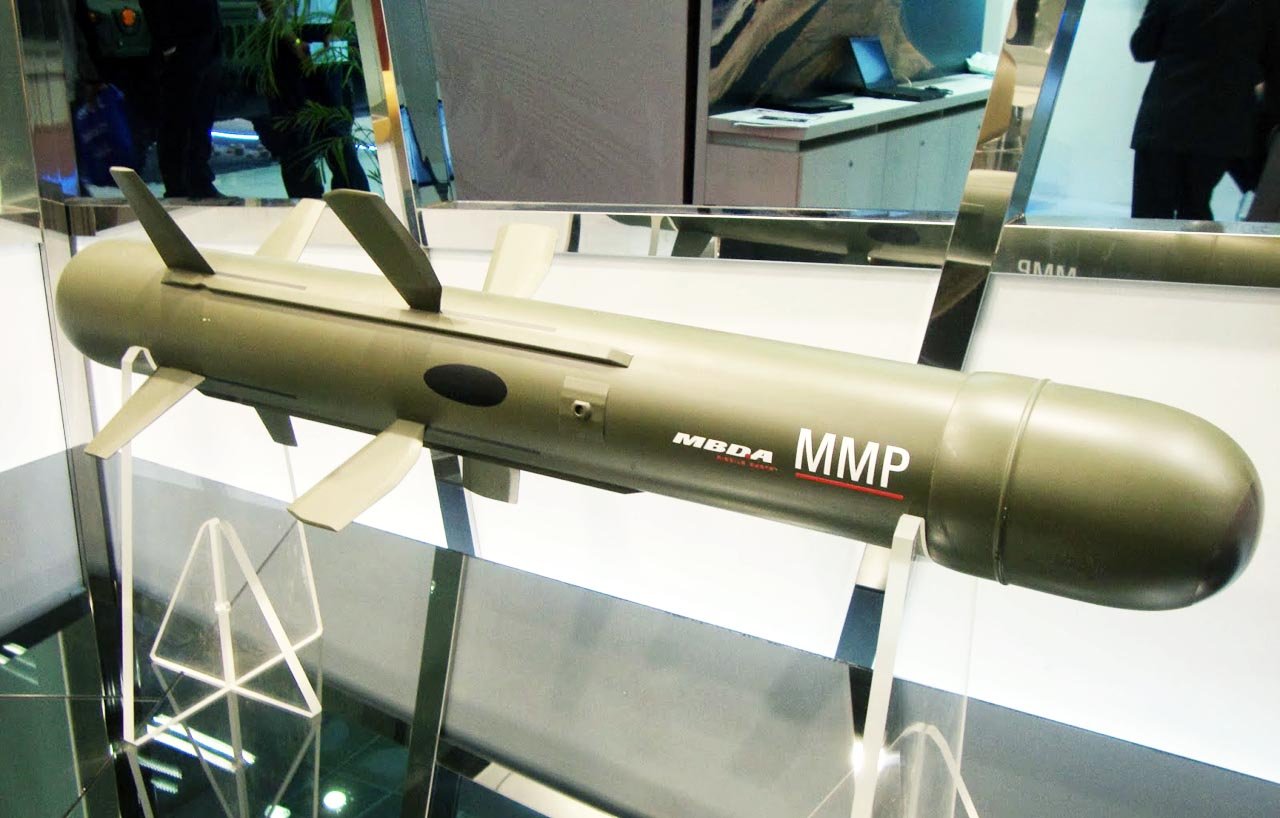
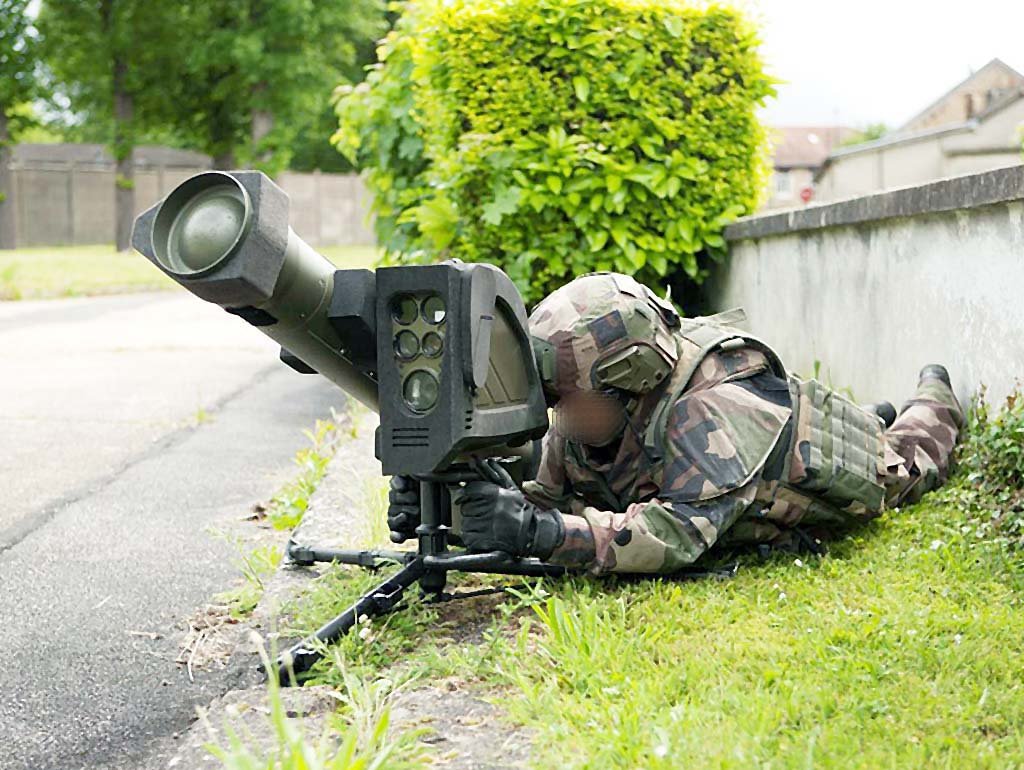
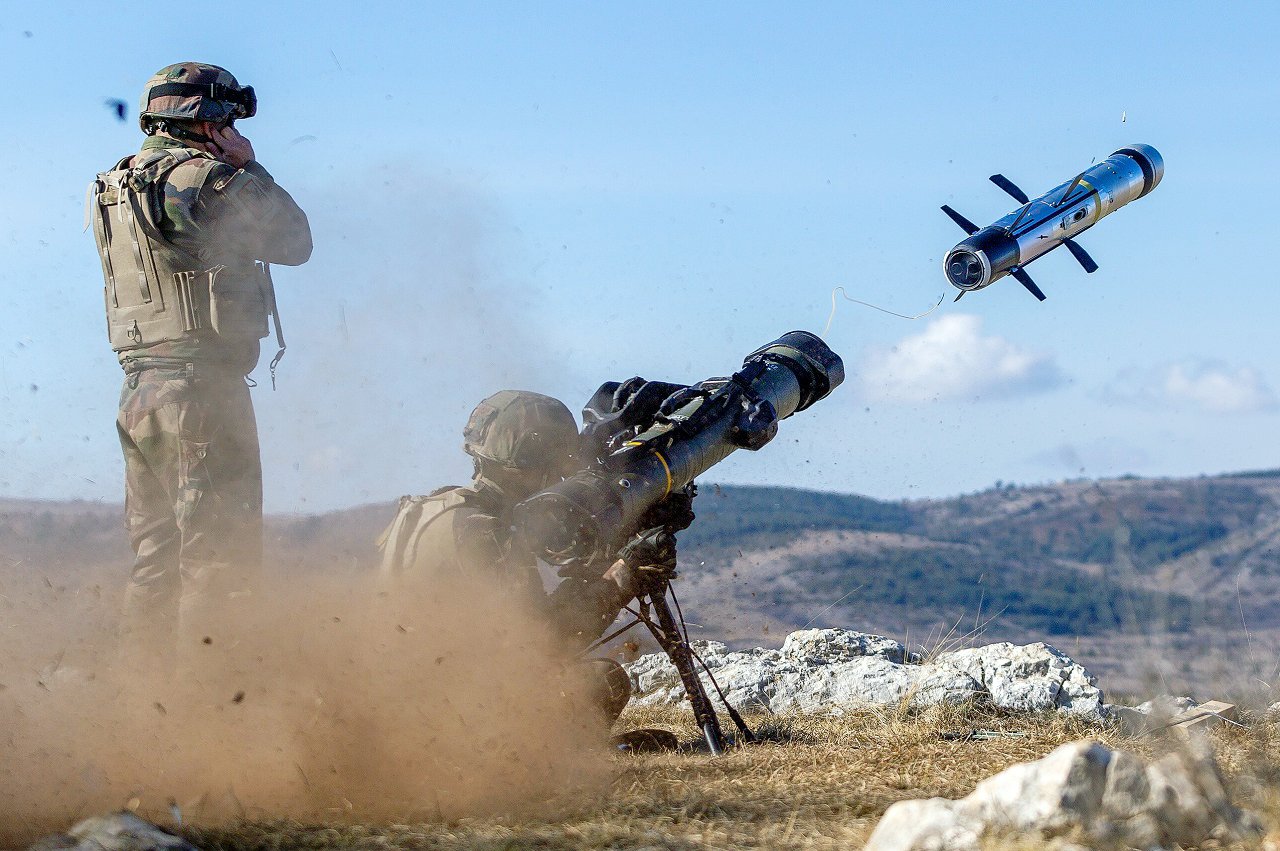
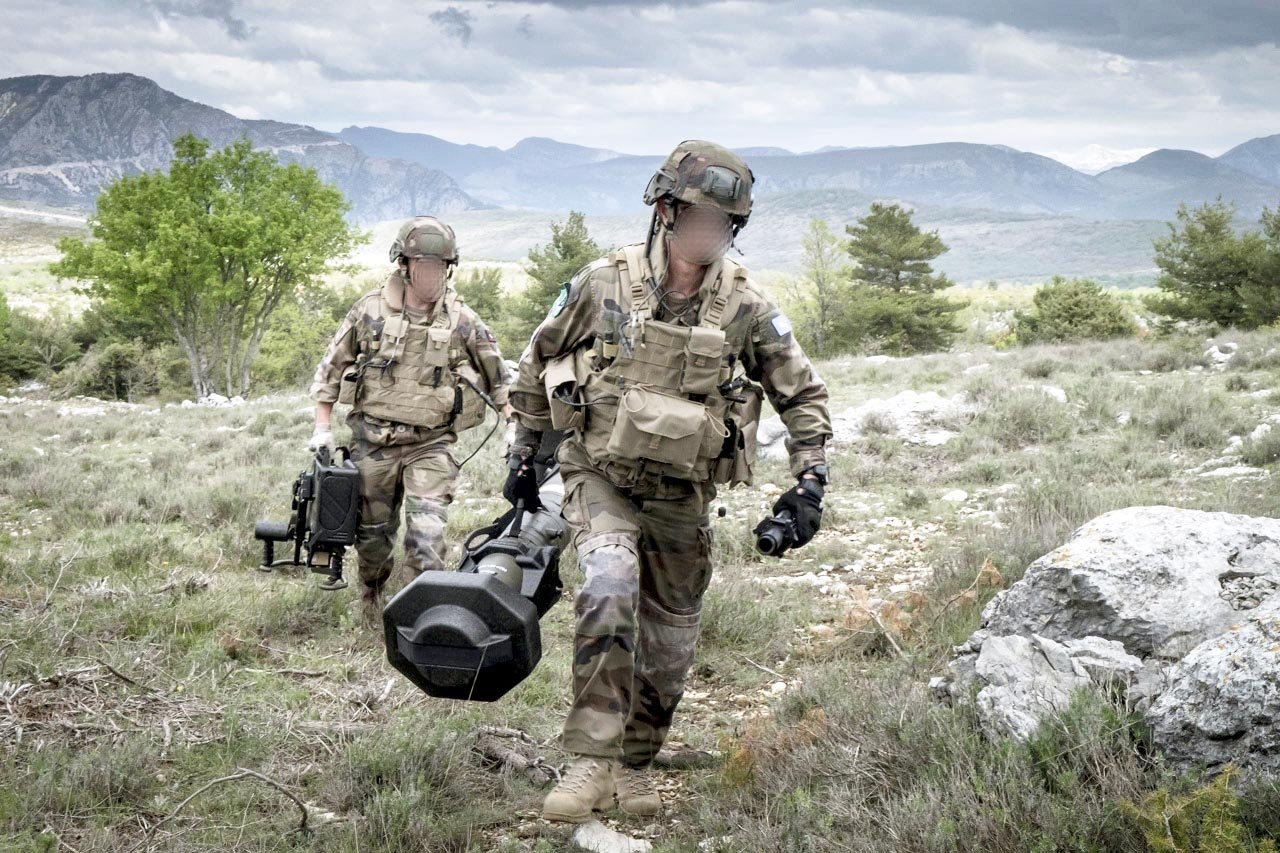
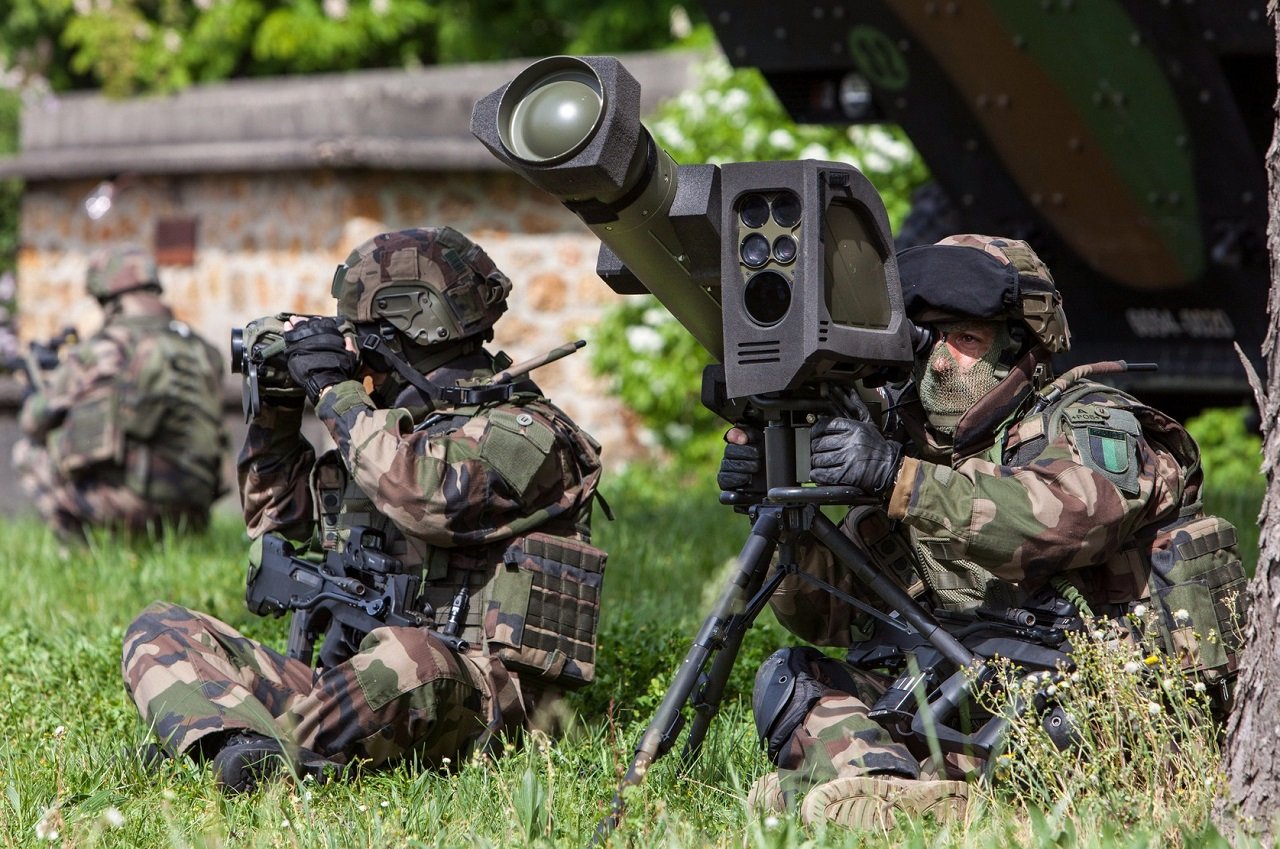
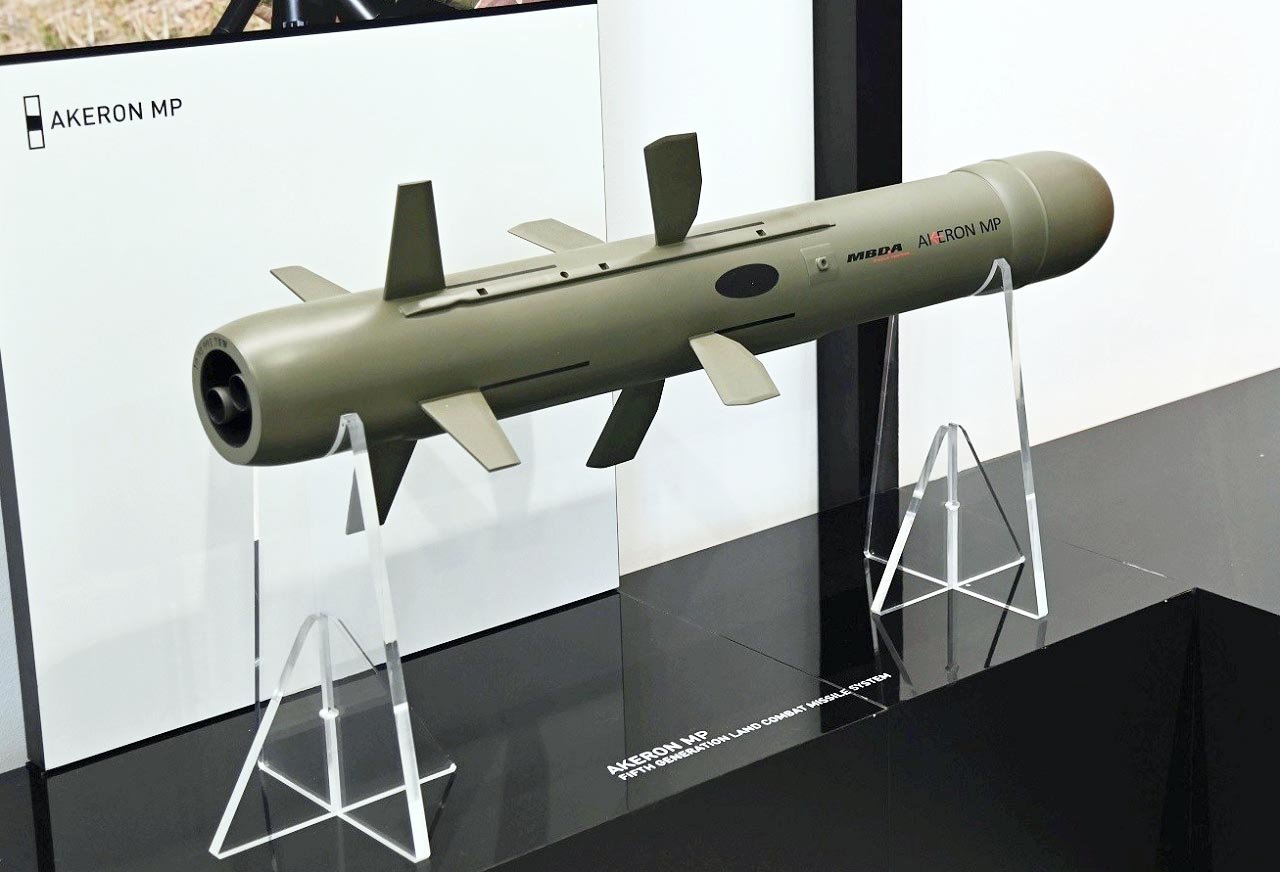
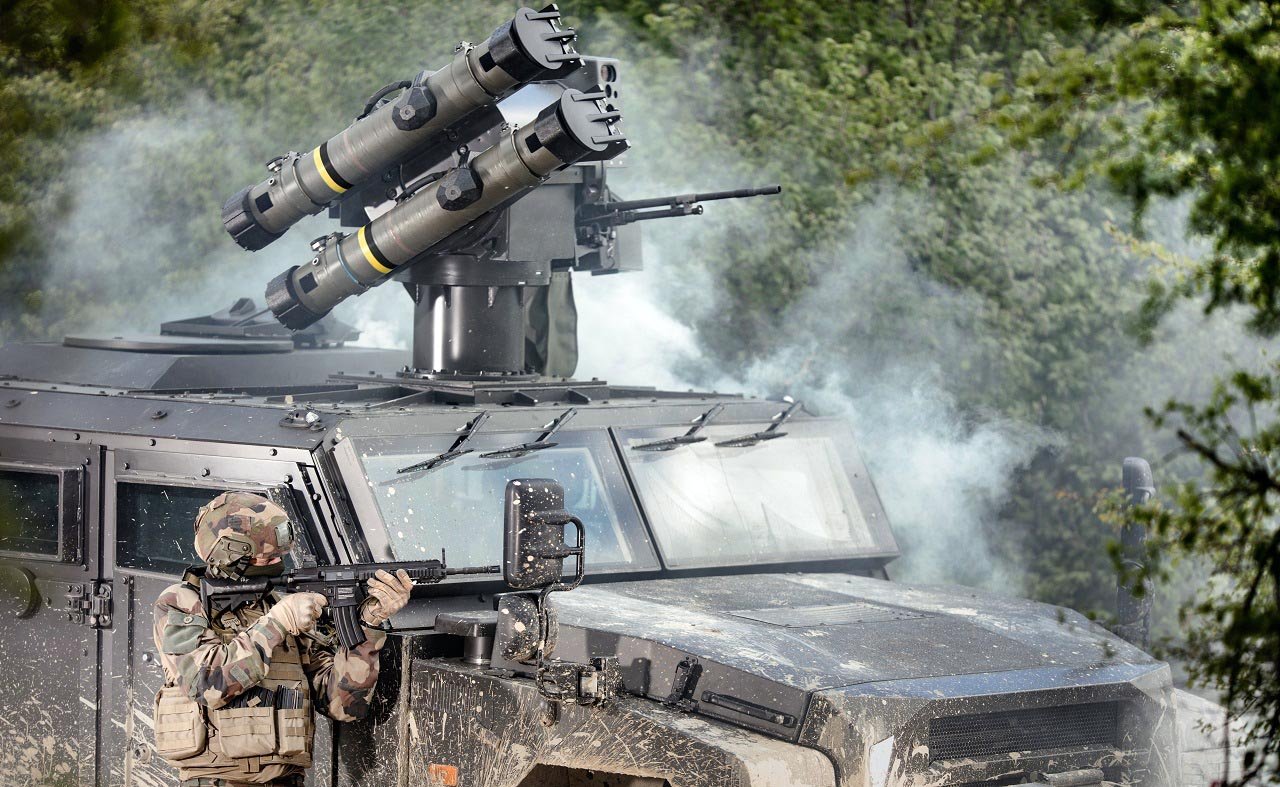
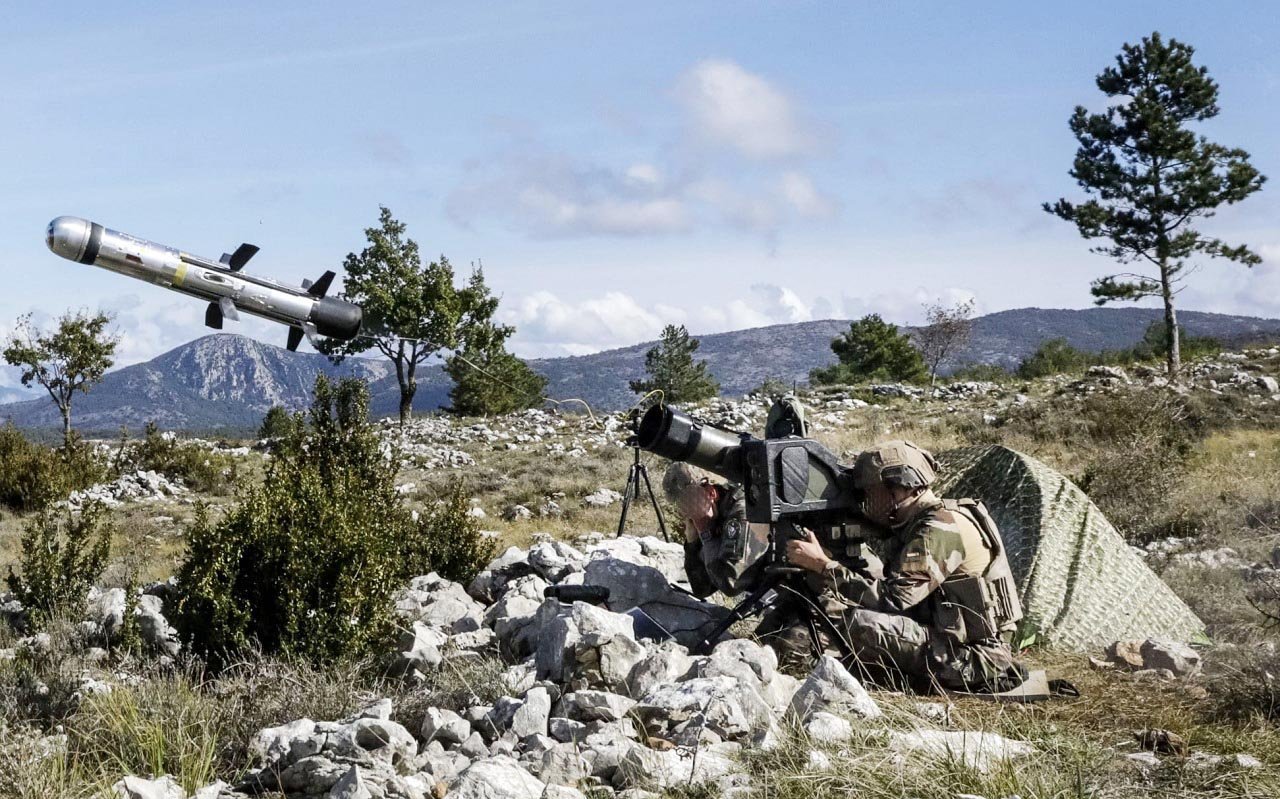
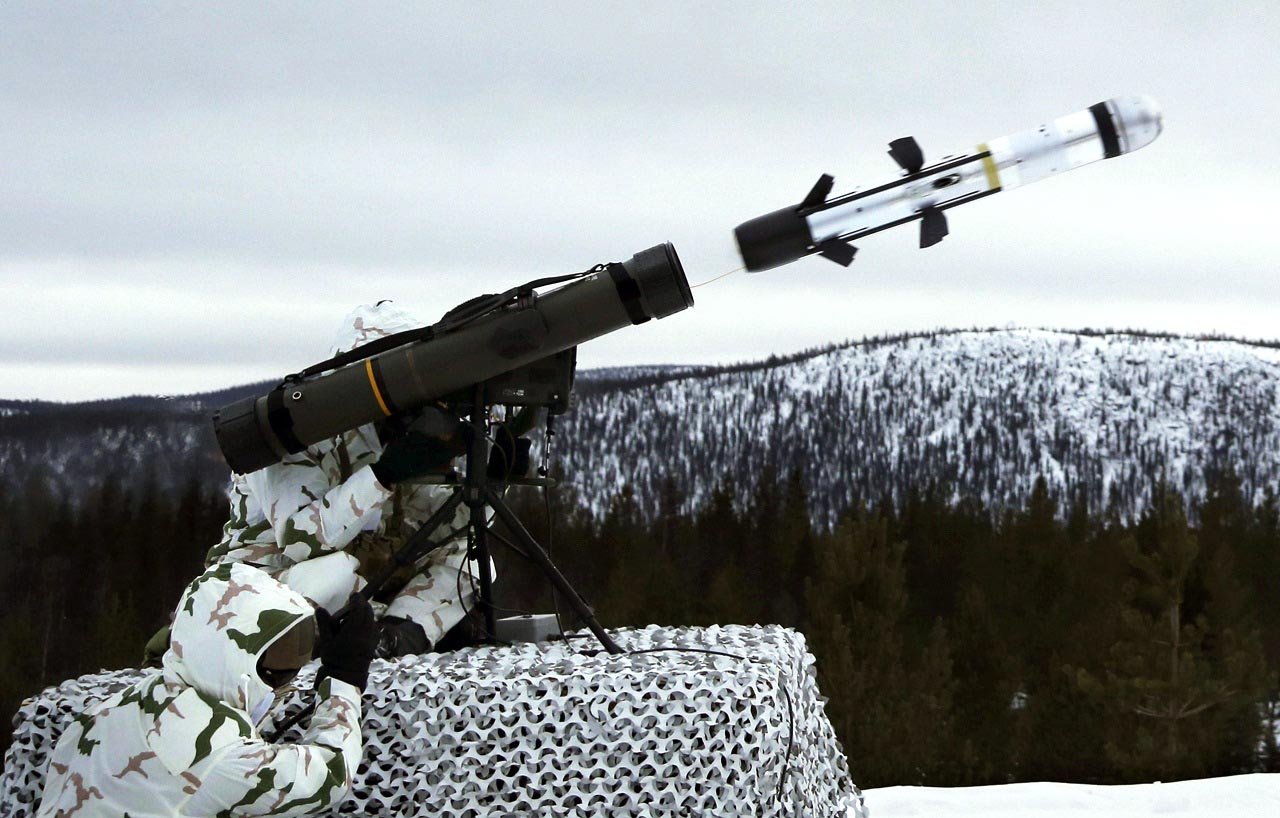
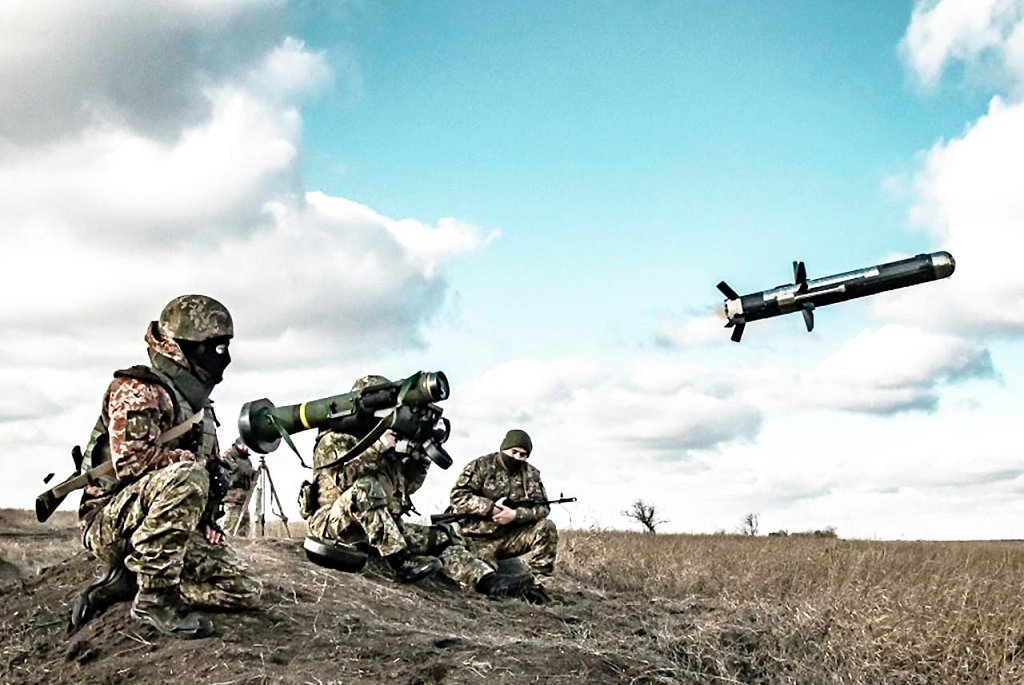
In 2009, the French army urgently needed a new anti-tank missile capable of effectively engaging the most modern armored vehicles. Until then, the primary anti-tank defense had been the MILAN missile, which, after more than 40 years in service, had become obsolete. In 2011, the main requirements for the new missile were outlined, including the ability to destroy moving targets and be a “fire and forget” missile, with different modes of engagement.During its development, the missile’s ability to be launched from confined spaces with complete safety for operators and to minimize collateral damage had to be carefully considered. MBDA initiated a private program, which was supposed to be completed in 2017 and culminated with the development of the MMP missile, or “Missile Moyenne Portée” (medium-range missile). After evaluating MBDA’s MMP, Rafael’s Spike, and Lockheed Martin/Raytheon’s Javelin missiles, the French Directorate General for Armaments (DGA) selected MBDA’s MMP missile and placed its first order in December 2013. This first order was to be delivered to units in 2017, allowing sufficient time for all necessary testing prior to delivery.Testing began in 2014, and that same year, a missile was shown to the public for the first time at Eurosatory fair. In 2015, the DGA conducted the first firing test, hitting a target at over 4,000 meters. Finally, in November 2017, it was announced that the first 20 firing posts and 50 MMP missiles would be delivered to the units in 2018. Acquisition plans were set at 400 firing posts and 1,750 missiles for the period 2014-2019. The number of missiles was later increased to 1,950, to be delivered between 2019 and 2025, but it was finally agreed that 3,000 missiles would be delivered between 2024 and 2030.The MMP is a fairly lightweight system, designed for use by light infantry and special operations units, so the total weight of the firing post and missile is 26 kg. The missile has a diameter of 140 mm, comes in a 1.30-meter-long tactical canister, and weighs 15 kg, including the tube. It is powered by a two-stage propulsion system with soft launch and smokeless characteristics and requires no maintenance. The initial declared range was 4,000 meters, but in tests conducted in 2018, the missile hit targets at a distance of 5,000 meters.MMP missile has different modes of engagement, such as “fire and forget”, human-in-the-loop with “Lock-On-Before-Launch (LOBL)” or “Lock-On-After-Launch (LOAL)” modes, which gives operators the ability to fire beyond line of sight (BLOS). Its guidance system has two passive dual-band seekers (color TV for daytime use and uncooled IR), an Infra-red sight (band 2), a laser range finder, GPS, and a north finder (firing on coordinates). In addition, the operators can choose two trajectory modes: “Low altitude with direct attack” and “High altitude with top attack” for optimal armour penetration.This missile is highly destructive and features a multipurpose warhead. This warhead has two selectable modes, anti-armour and anti-infrastructure. The anti-armour mode has a HEAT tandem hollow charge warhead effective against all types of armor and capable of penetrating up to 1,000mm of RHA. In anti-infrastructure mode, the warhead is capable of penetrating up to 2,000mm of reinforced concrete. Both warheads features anti-personnel capability, and in this mode, the warhead sprays 1,500 tungsten splinters within a radius of 15 meters. For maximum precision the missile has a top attack trajectory against MBTs, selectable optimal trajectory in anti-infrastructure mode, an accurate flight path due to Inertial Measurement Unit and an accurate target aiming thanks to automatic correlation between the sight and seeker images.(IMPACT turret image). As the program progressed, several new elements have been incorporated by MBDA, such as the lightweight IMPACT turret, which can be installed on virtually any ground vehicle. The turret weighs 250 kg, is gyro-stabilized, and has a remote control station to operate the four missiles it carries. For self-defense, the turret is equipped with an FN 7.62mm machine gun and features the same optronic systems as the firing post of the portable version. A twin-launcher IMPACT turret (without the machine gun) is also available for installation on small vessels and USVs (unmanned surface vessels). In 2022, for commercial reasons, the manufacturer decided to change the name MMP to Akeron MP.The first missiles were delivered to the French army in early 2018, and in August and September they were deployed for testing with troops stationed in Djibouti. They fired nine missiles, two of them from a stabilized and teleoperated turret mounted on a rigid hulled inflatable boat (RHIB). In December of that same year, the missiles were deployed for the first time in a combat mission in Mali. This missile can be considered as effective, or more so, than Israeli Spike, American Javelin, or Russian 9M133 Kornet missiles, since its design incorporates the best available features of this type of weapons.(EBRC Jaguar prototype image). The Akeron MP has also been selected for use on the new French EBRC Jaguar reconnaissance vehicle. This vehicle carries two ready-to-fire missiles mounted in a pod next to the turret, plus two more stored inside the chassis. Its integration into some UGVs (unmanned ground vehicles) is also being studied. MBDA also offers two training systems to avoid wasting purchased missiles: one for tactical training in the field (combat firing) and the other for indoor training based on enriched reality technology (gunnery training simulator).(Swedish RBS-58 image). In 2021, France and Sweden signed an agreement for Sweden to develop a new anti-tank missile based on the Akeron MP, designated “RBS-58”. However, the new missile’s new studies and capabilities will be applied to future French Akeron MP missiles if deemed appropriate. In the fall, Sweden ordered some missiles to begin testing and development of the new missile, and a cooperation agreement with France was signed in April 2023. The first delivery of the RBS-58 took place in June 2025, and this new system is intended to gradually replace the previous RBS-56 Bill system.(Ukrainian Akeron MP image). The Akeron MP missile is currently in service with the French Army and the Egyptian Navy’s Special Forces. It has been announced that it will enter service with the Belgian and Luxembourg armies starting in 2025, and that it will soon be delivered to the Swedish army (RBS-58). The number of missiles Egypt has acquired is unknown; France currently has around 2,000, Belgium has requested 761 for use on its EBRC Jaguar vehicles, and Luxembourg has ordered 90 units. Other countries have expressed interest in this missile, including Austria, Greece, Portugal, Qatar, and Spain. As part of its military aid program for Ukraine following the Russian invasion in 2022, France has delivered an unspecified number of missiles to the Ukrainian Army since February 2023.