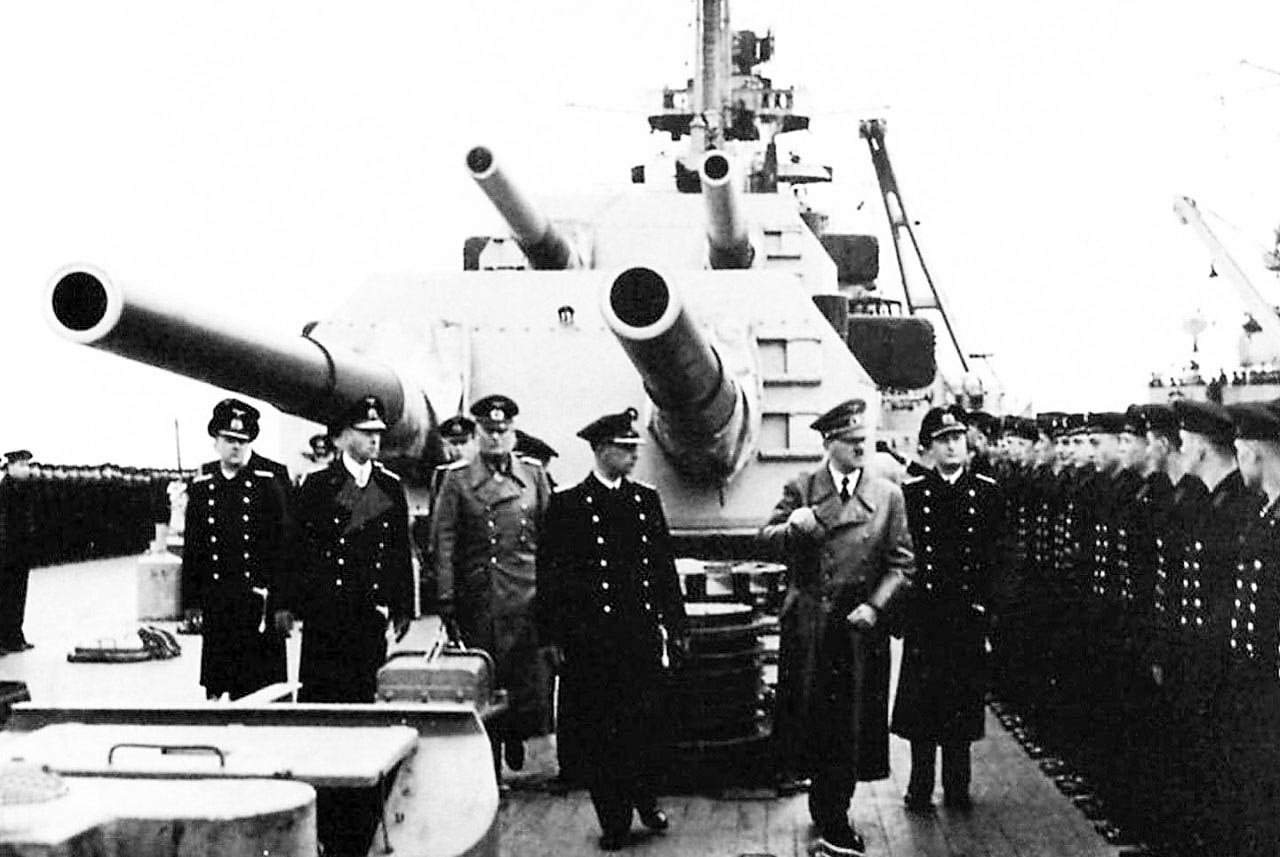
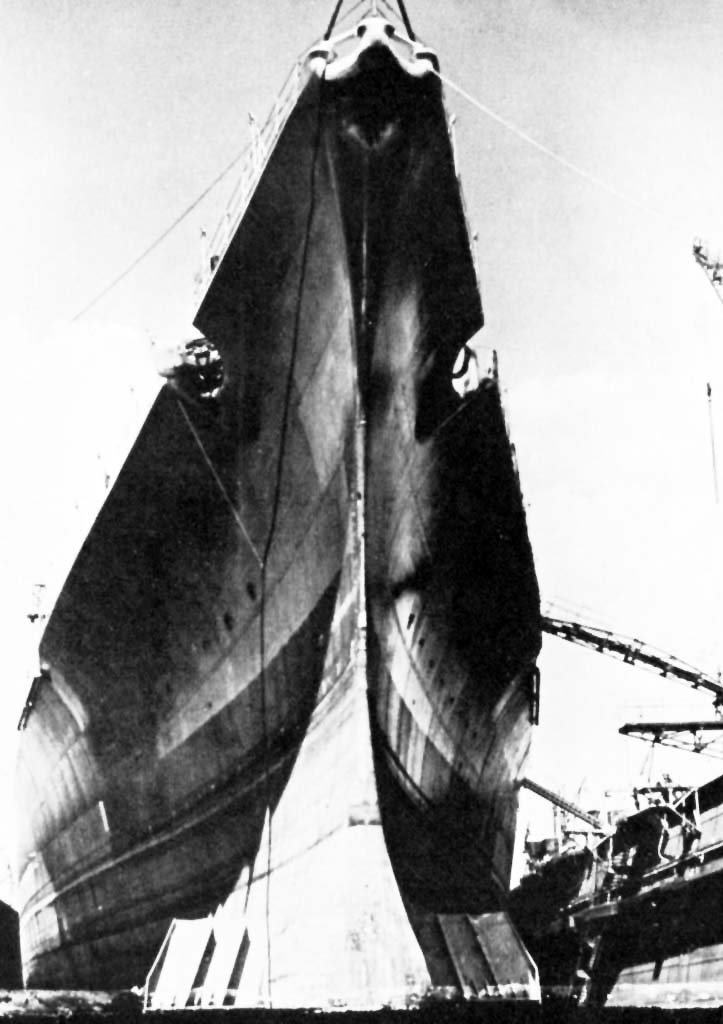
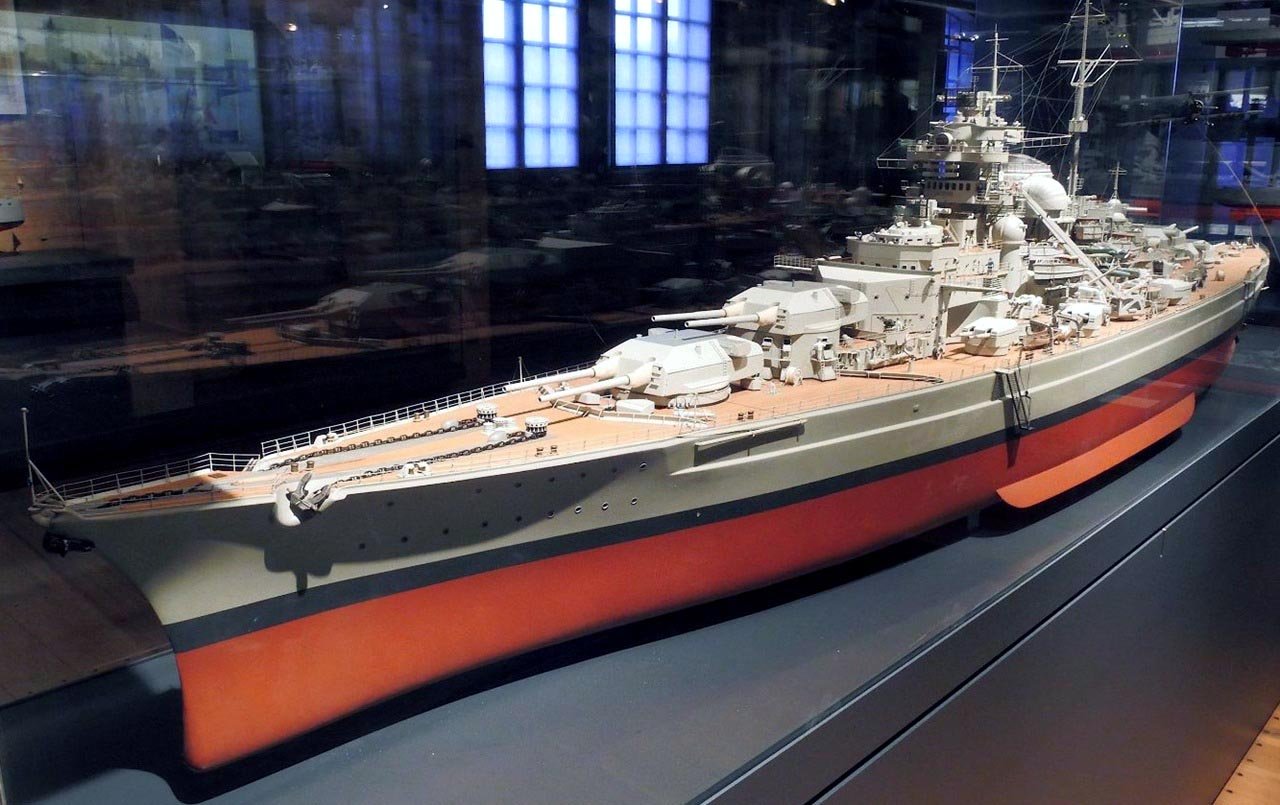
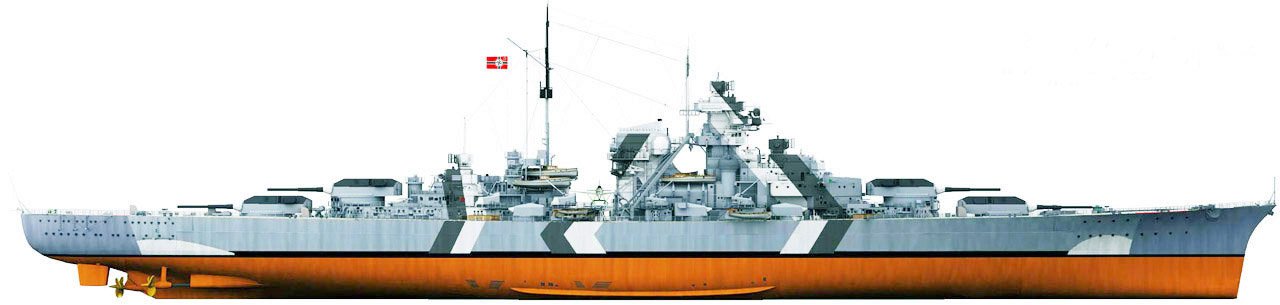
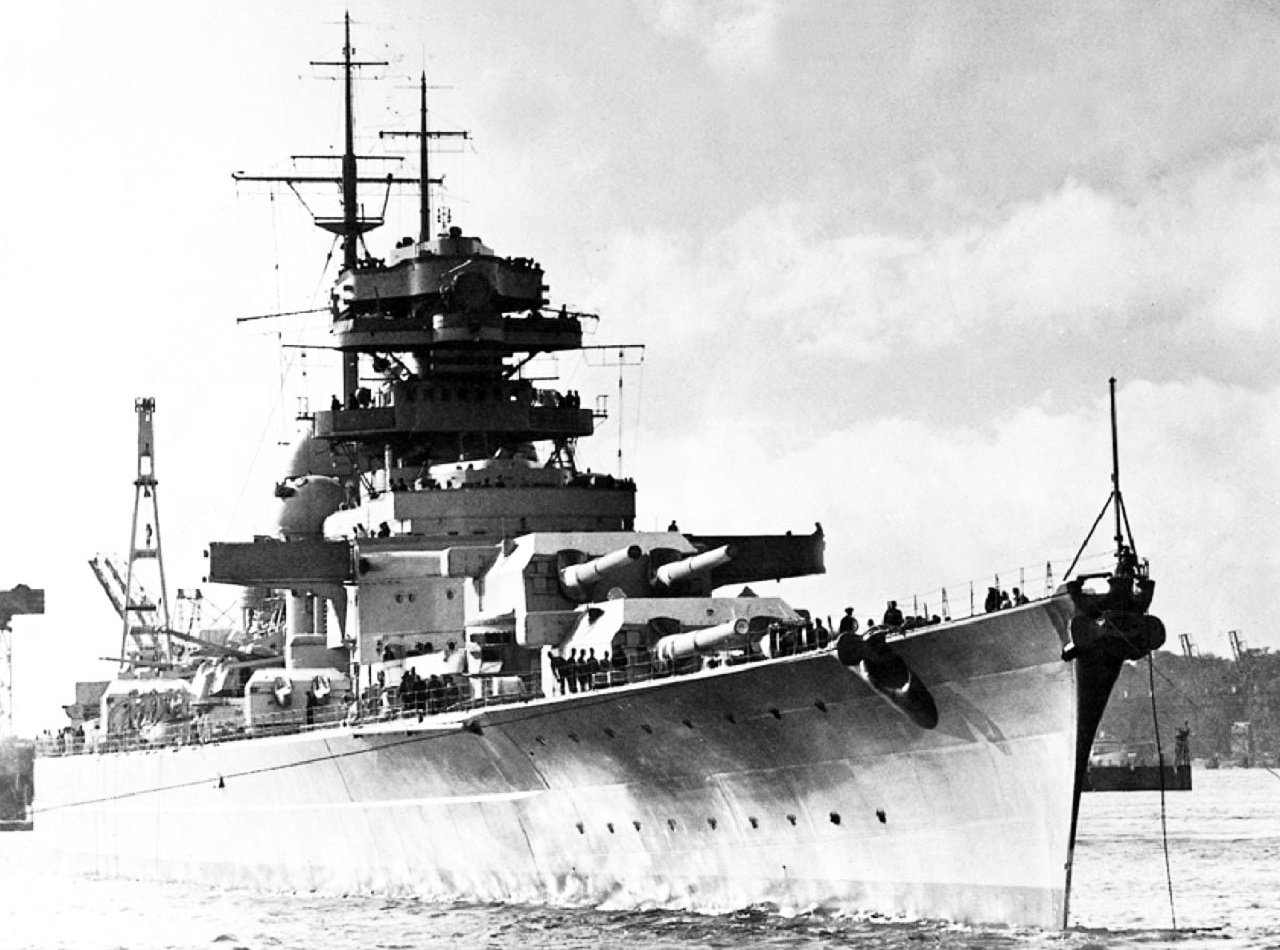
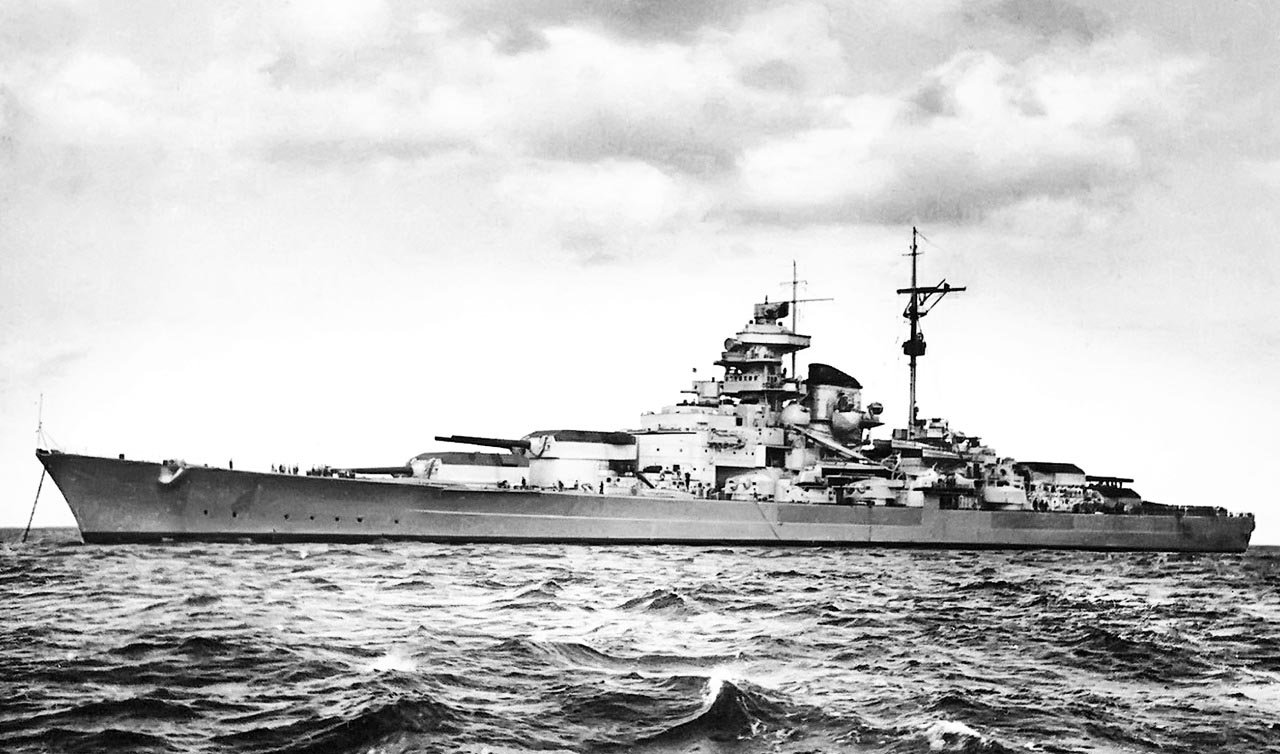
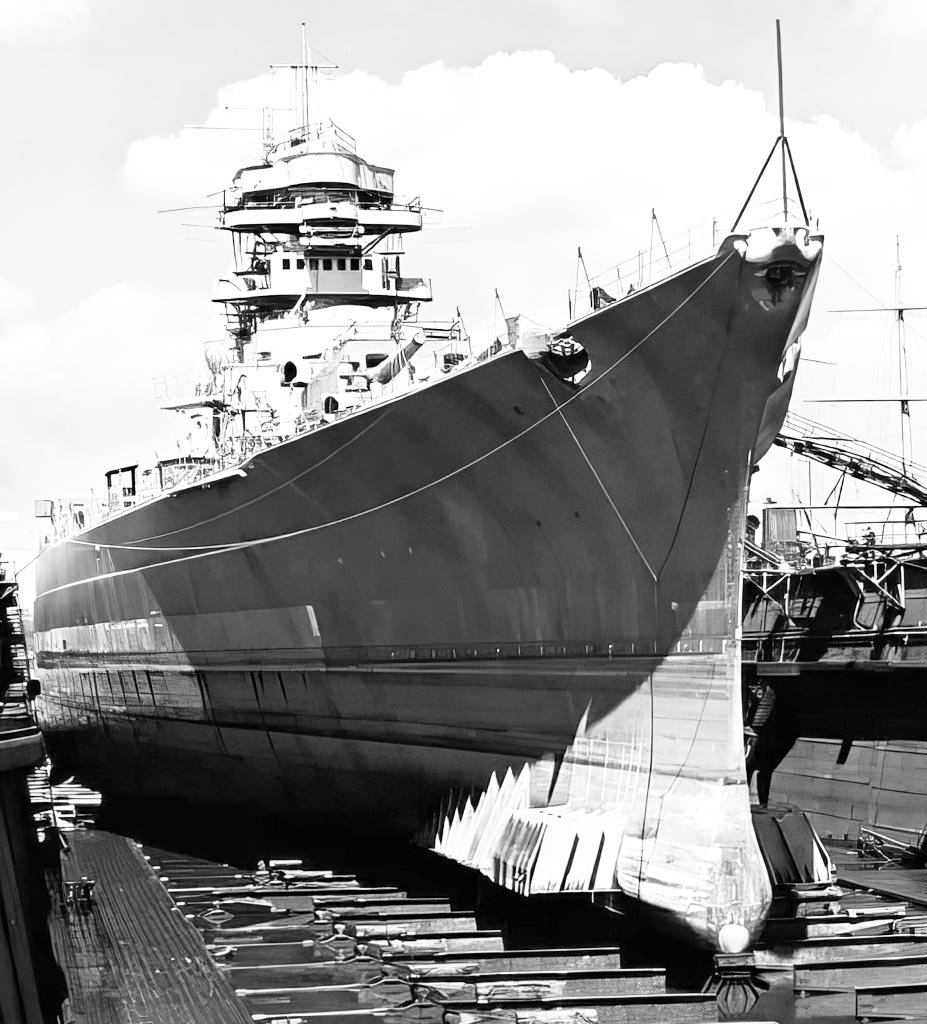
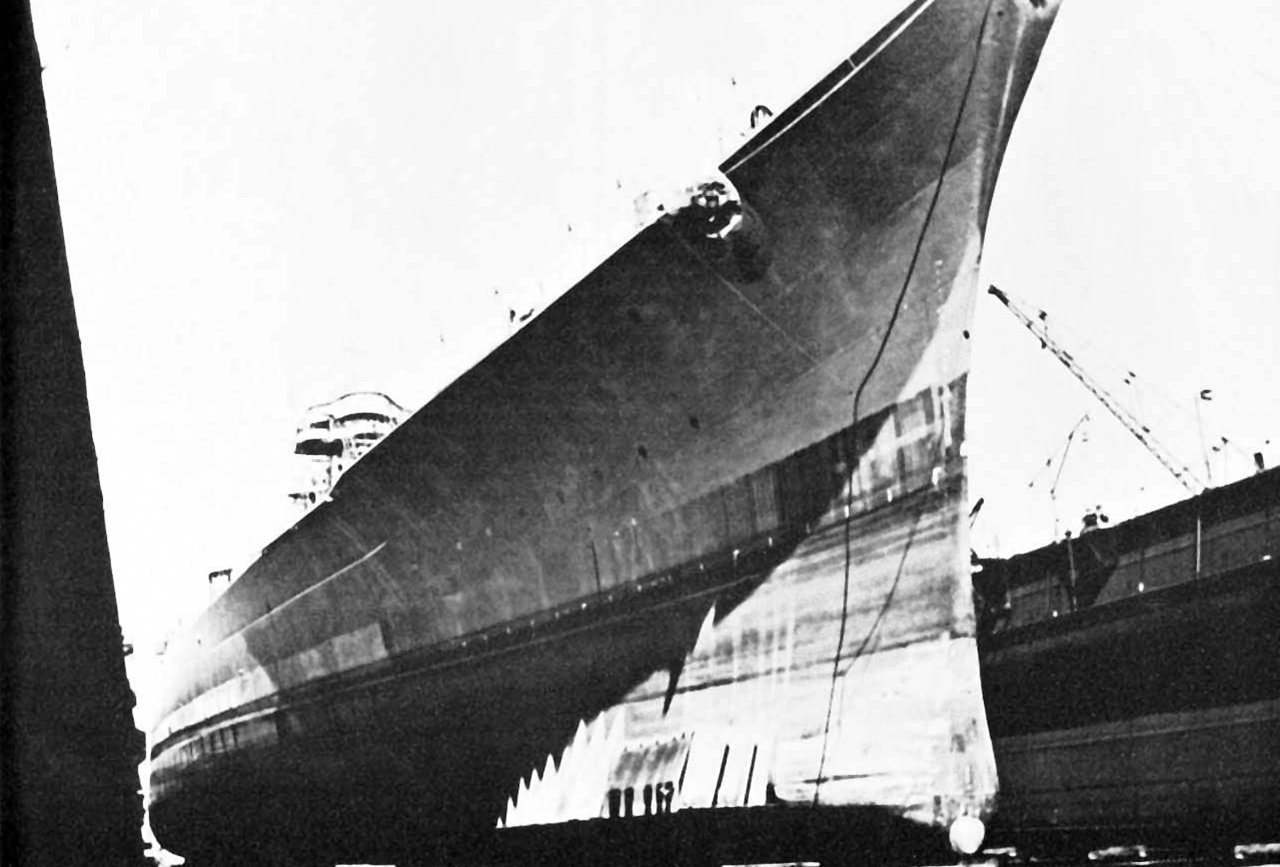
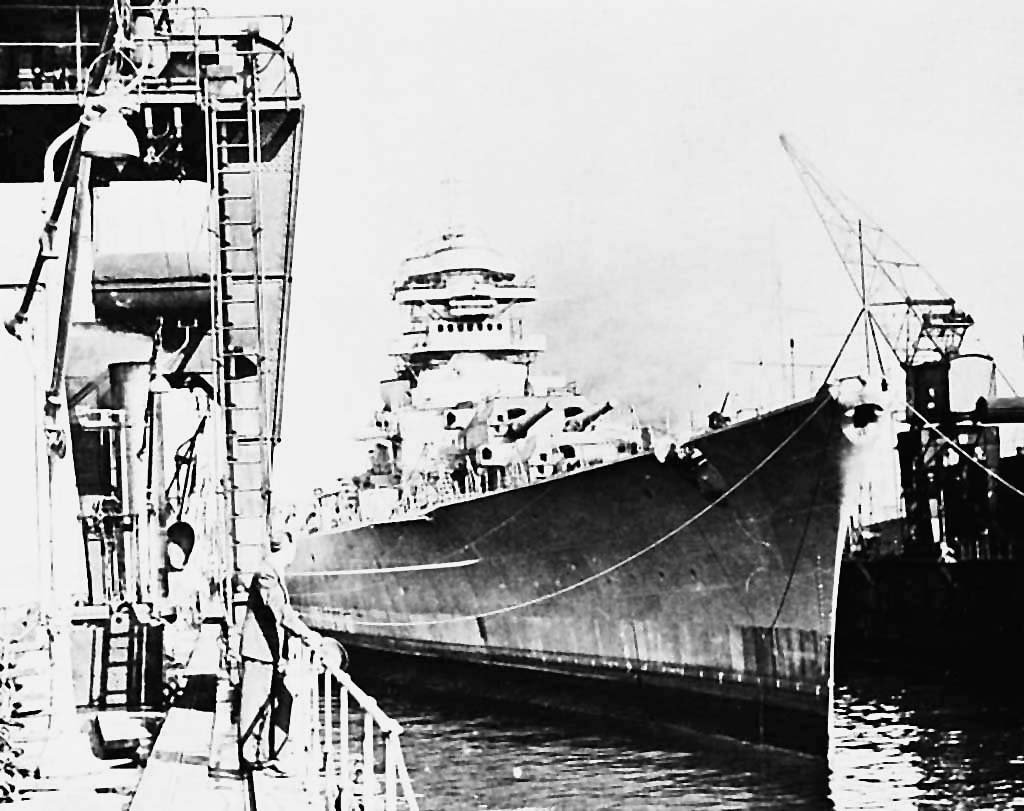
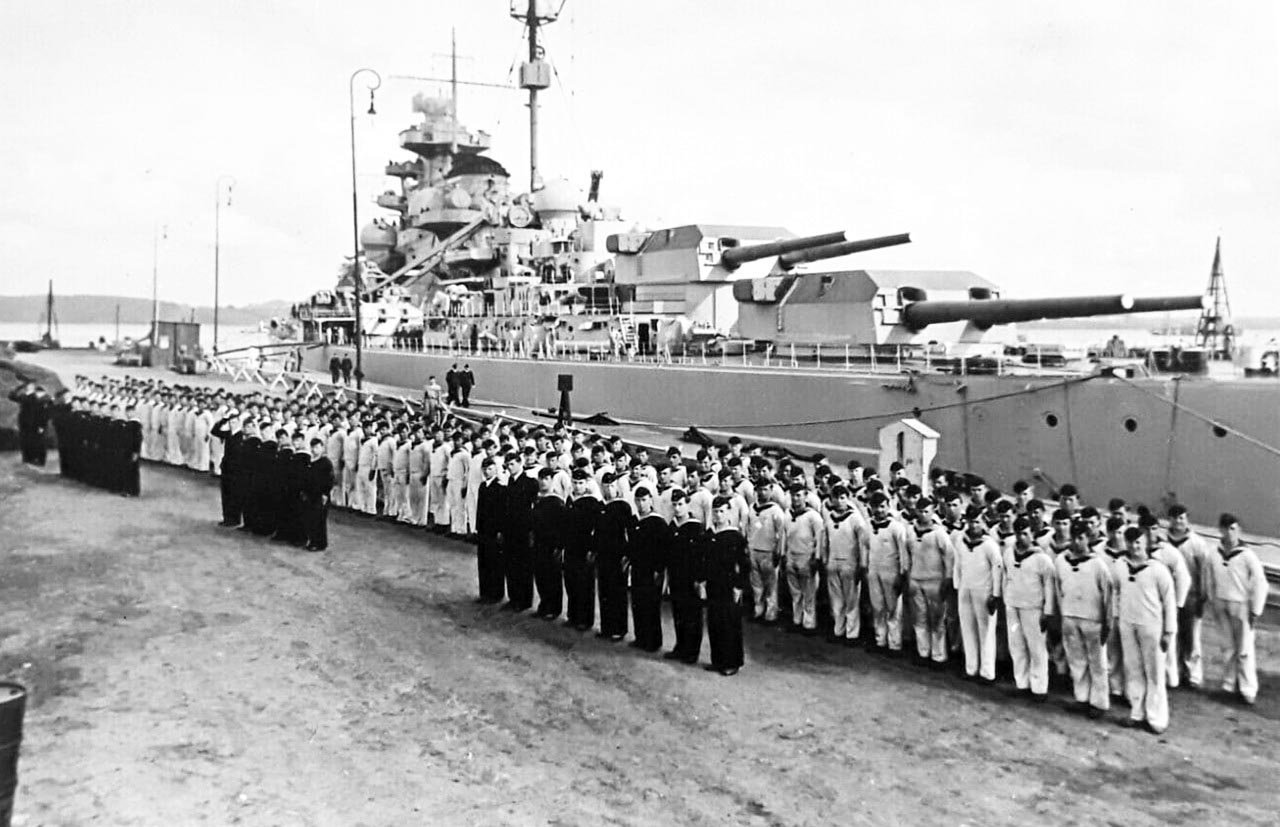
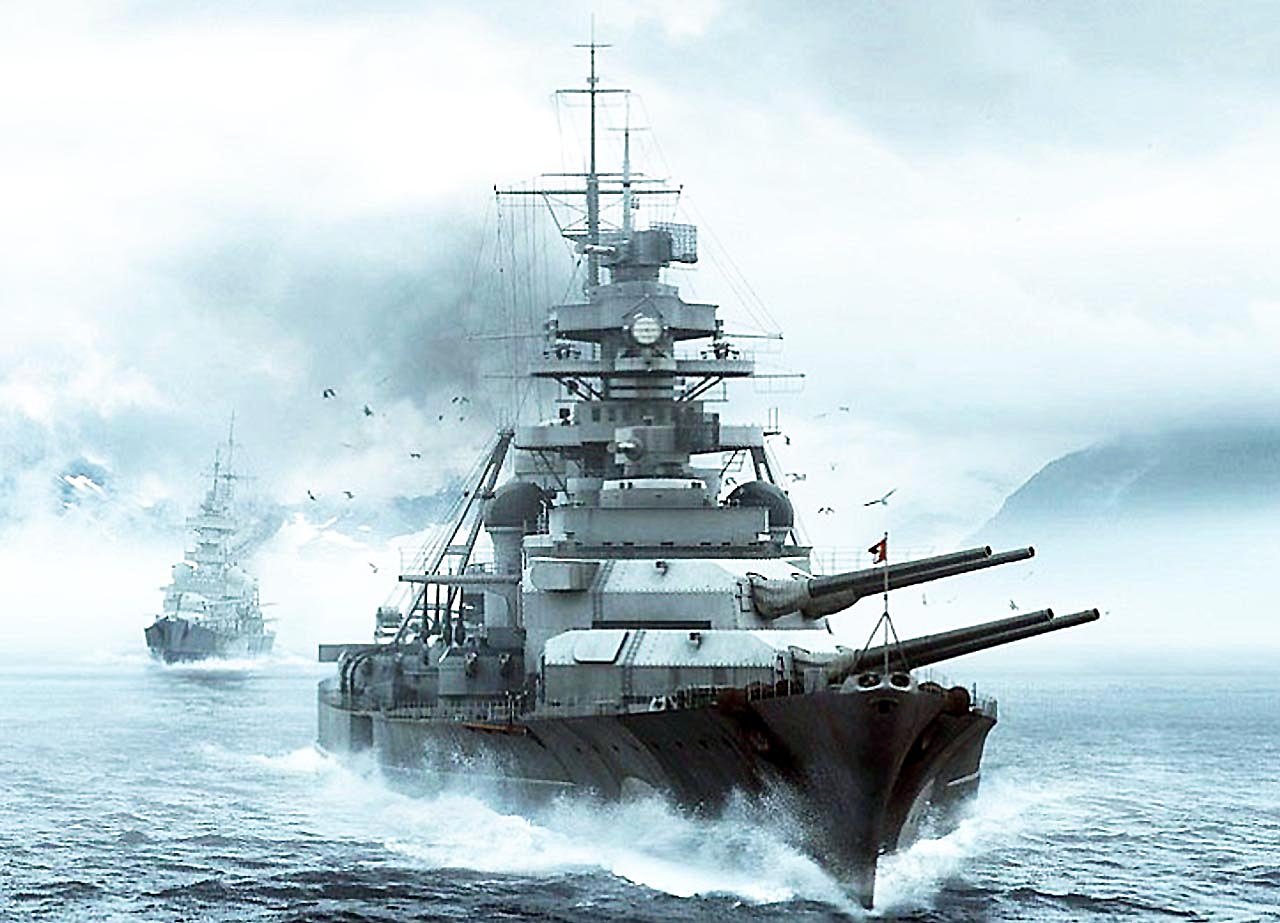
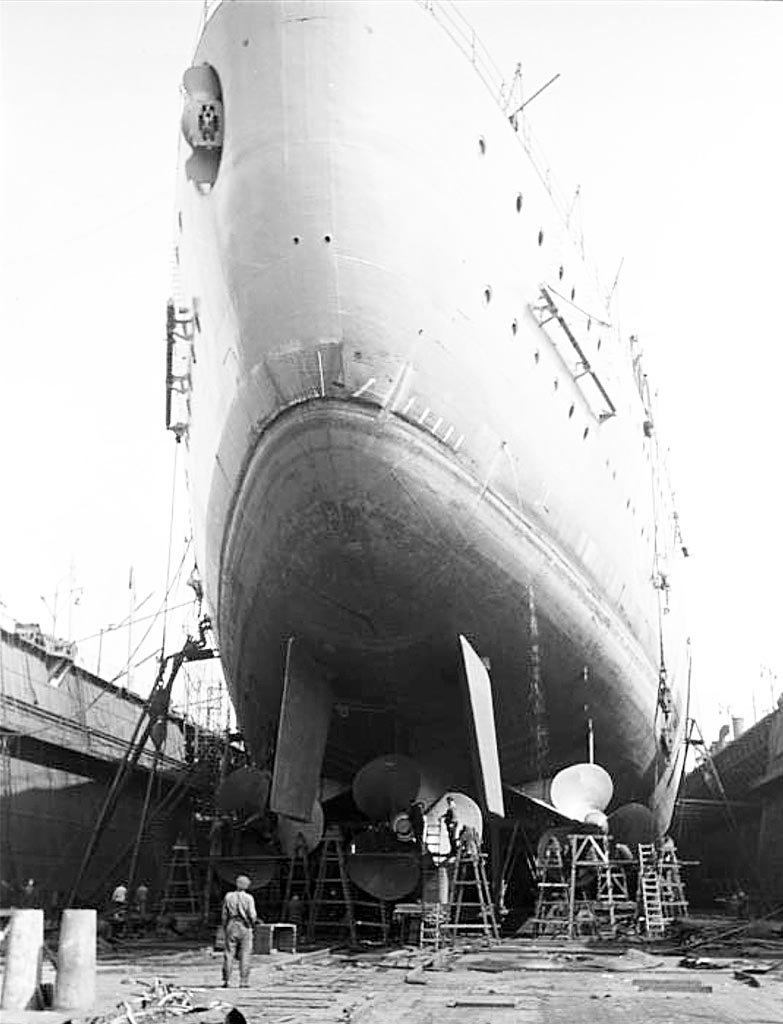
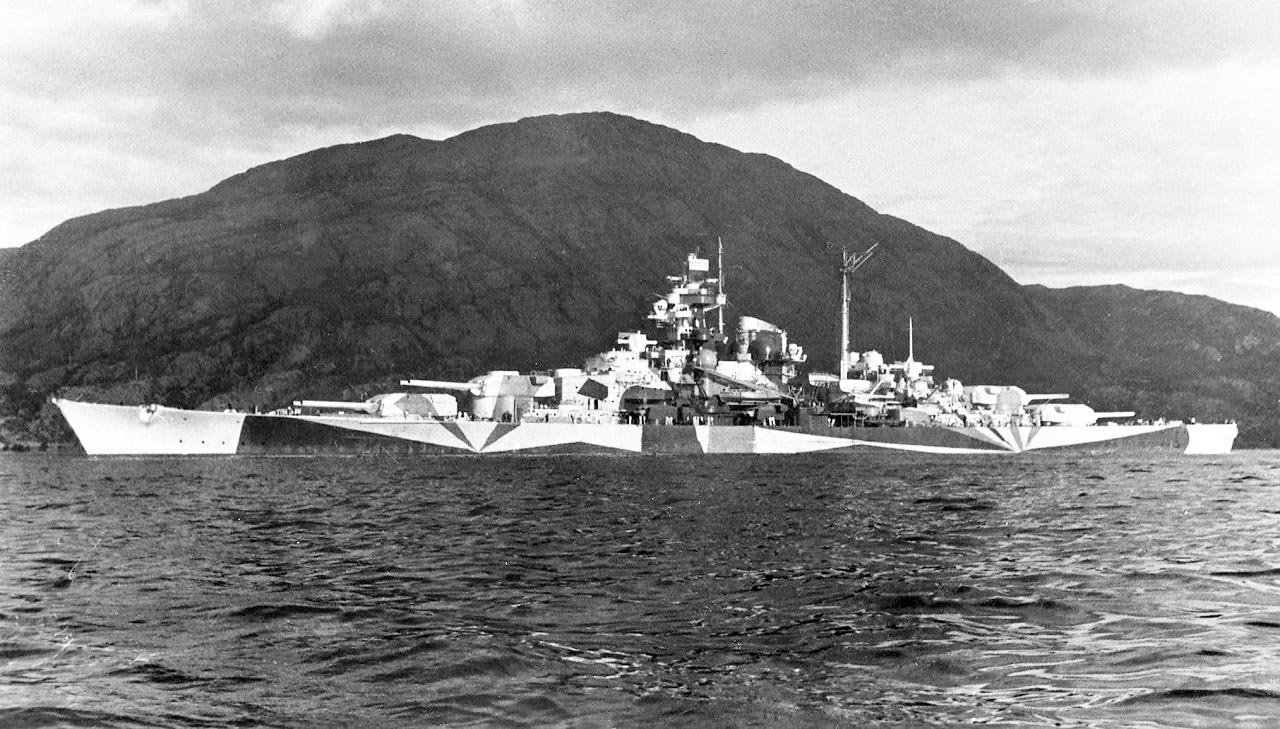
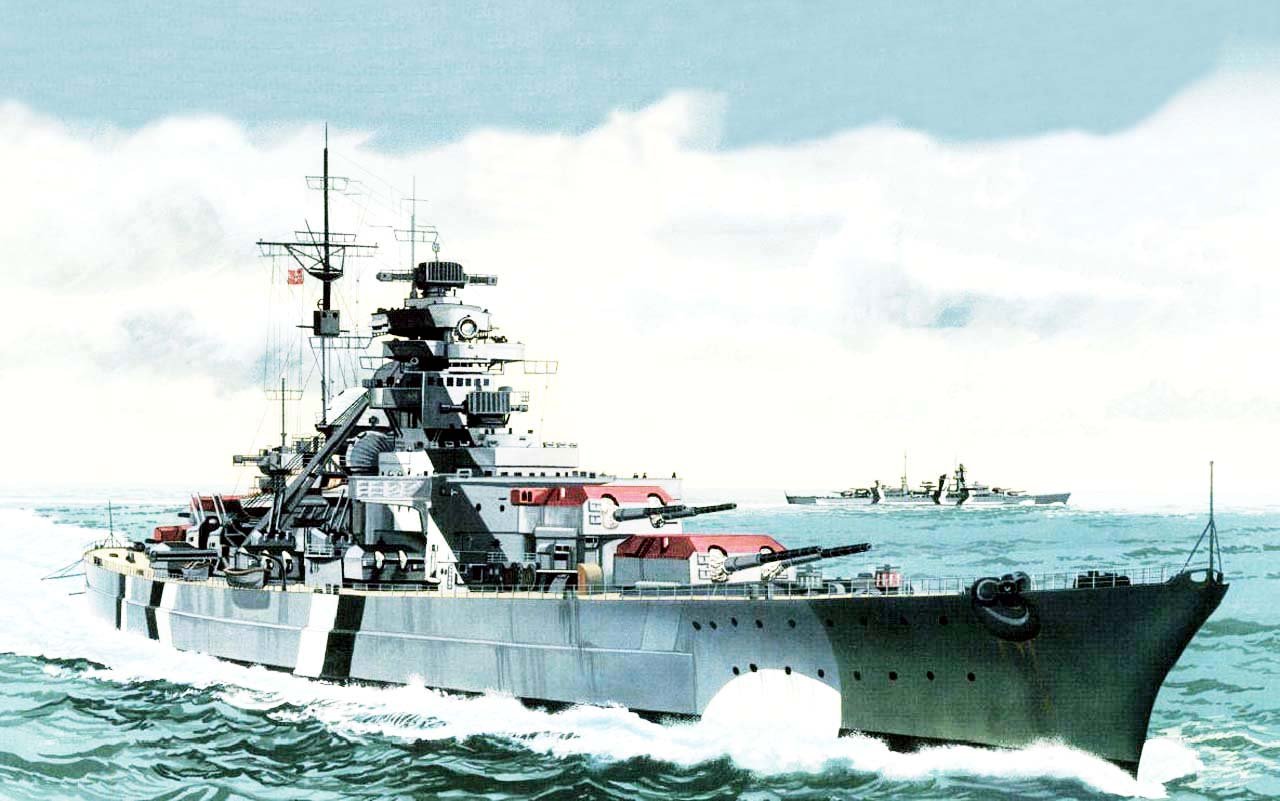
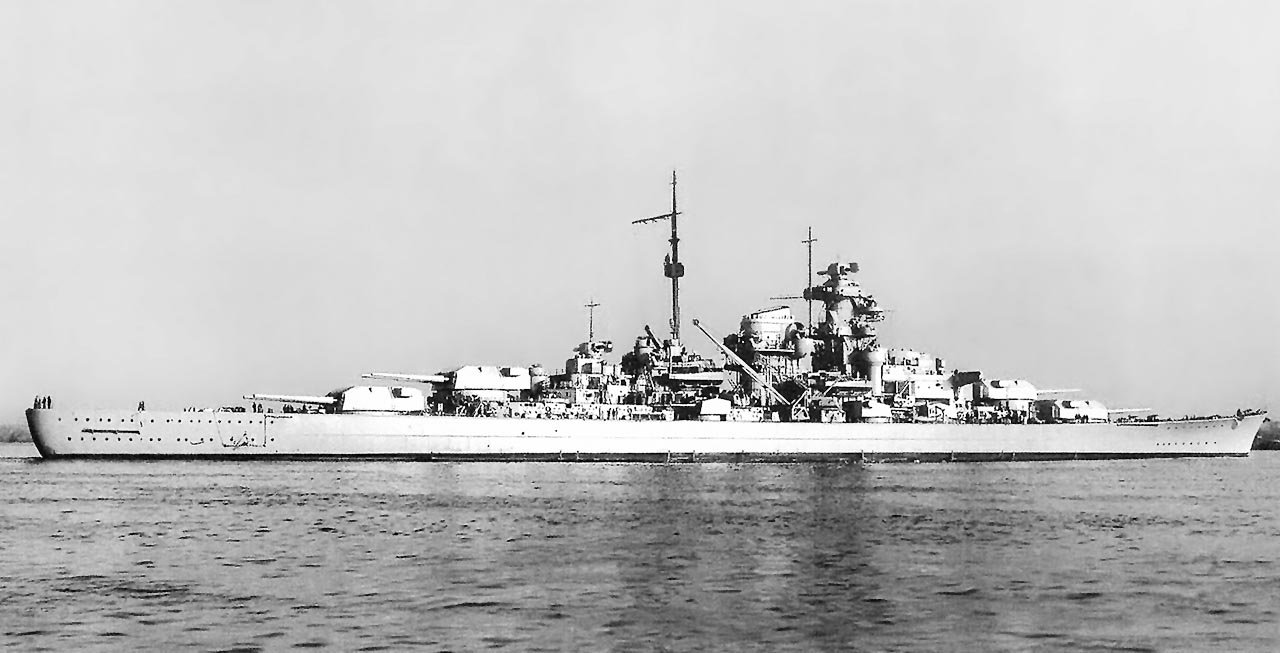
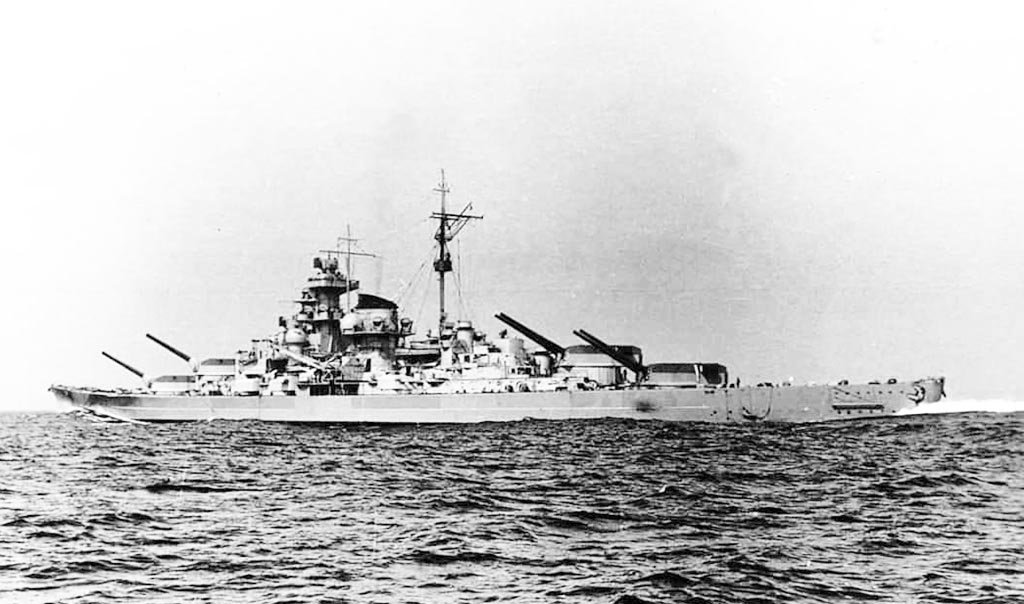
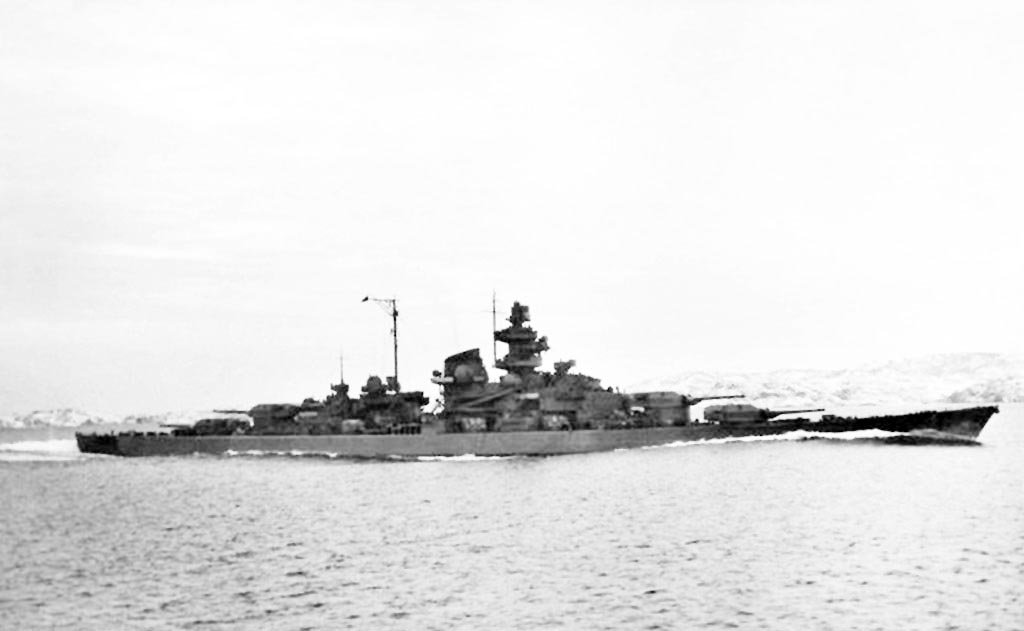
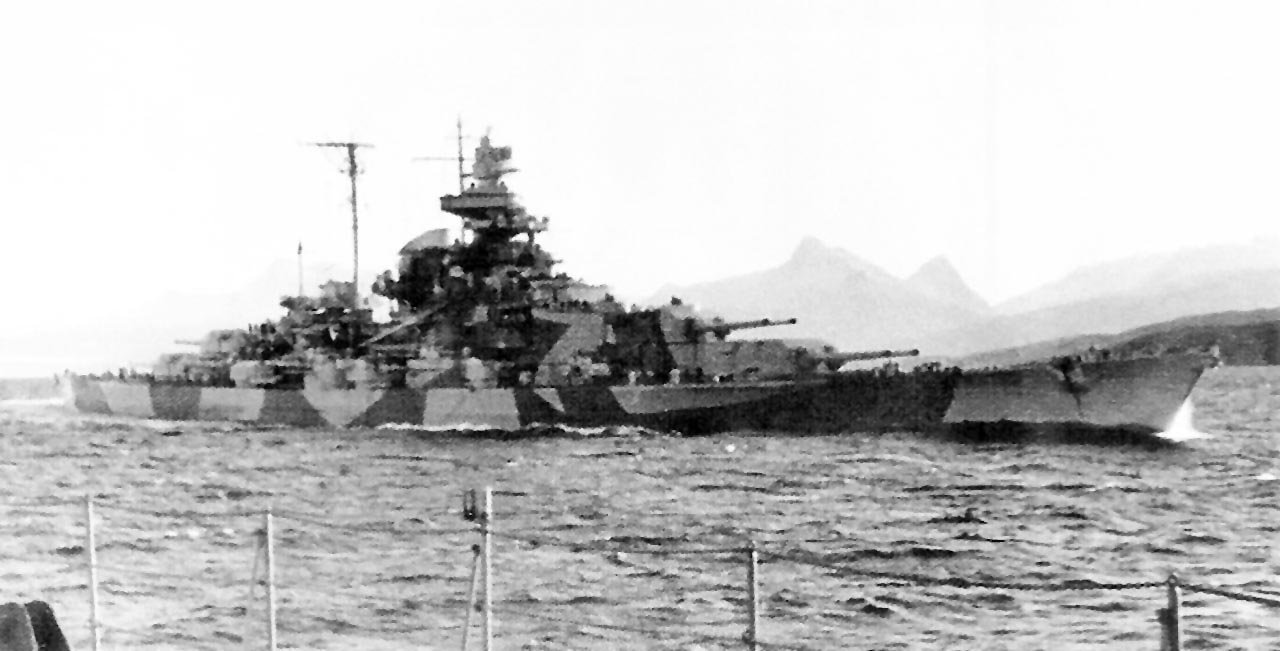
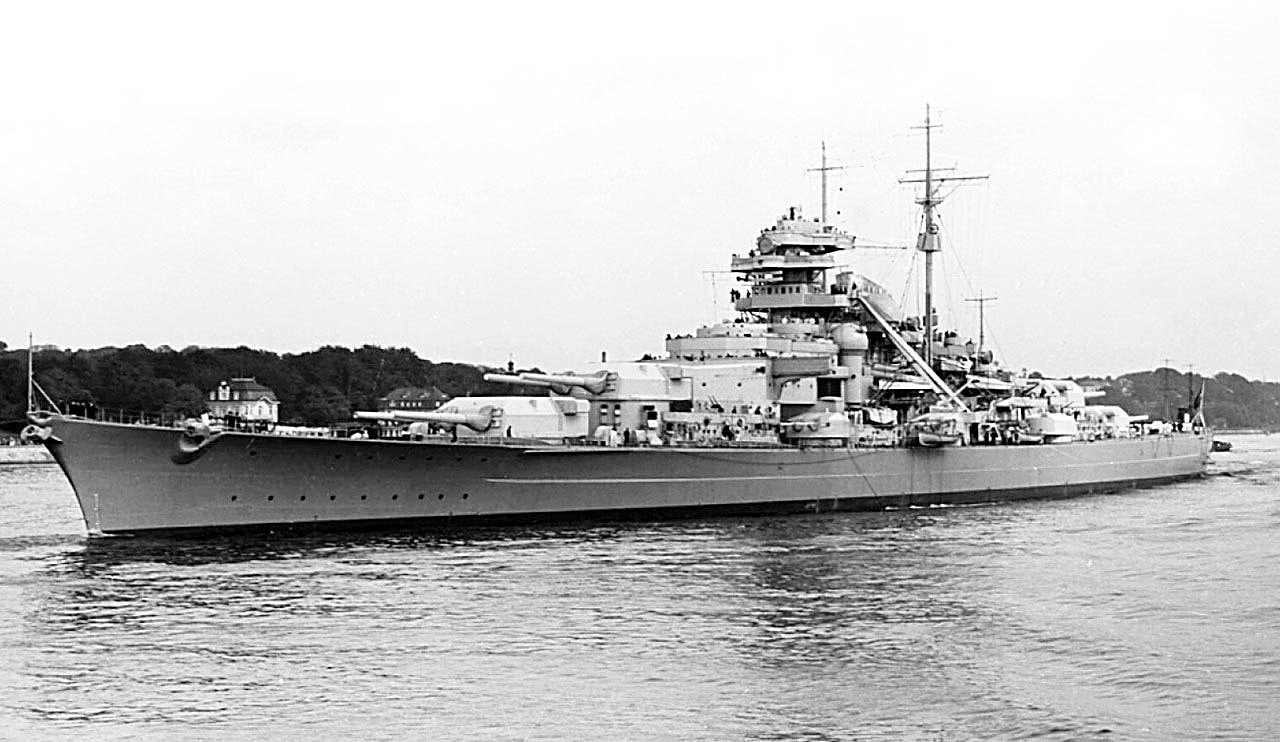
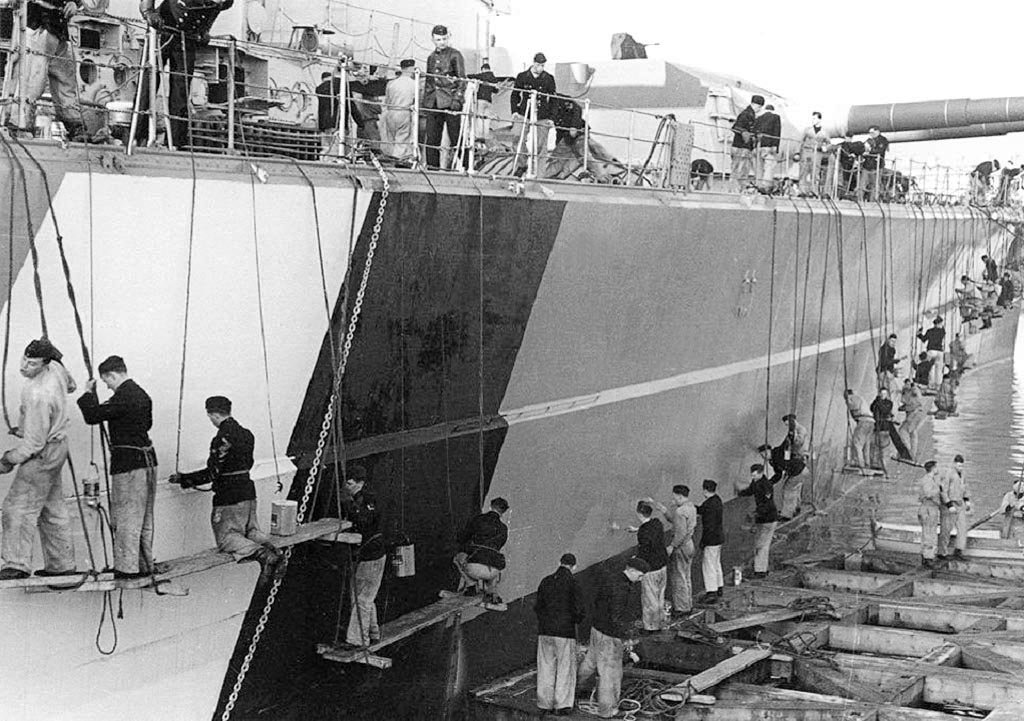
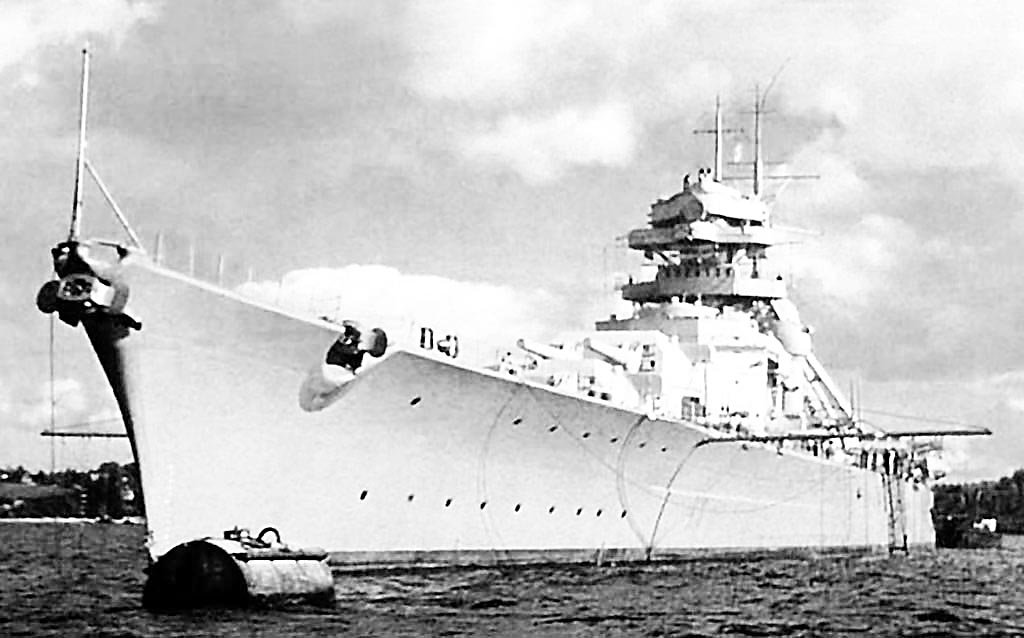
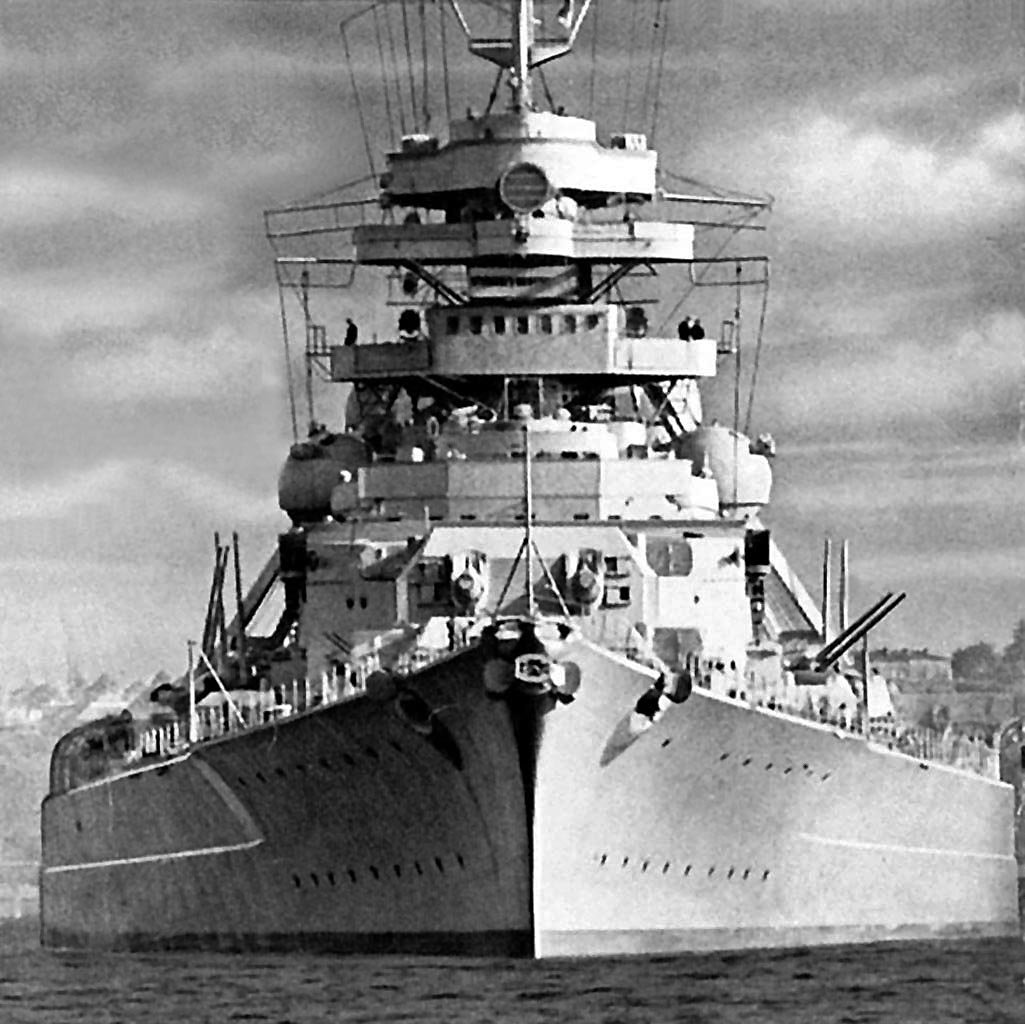
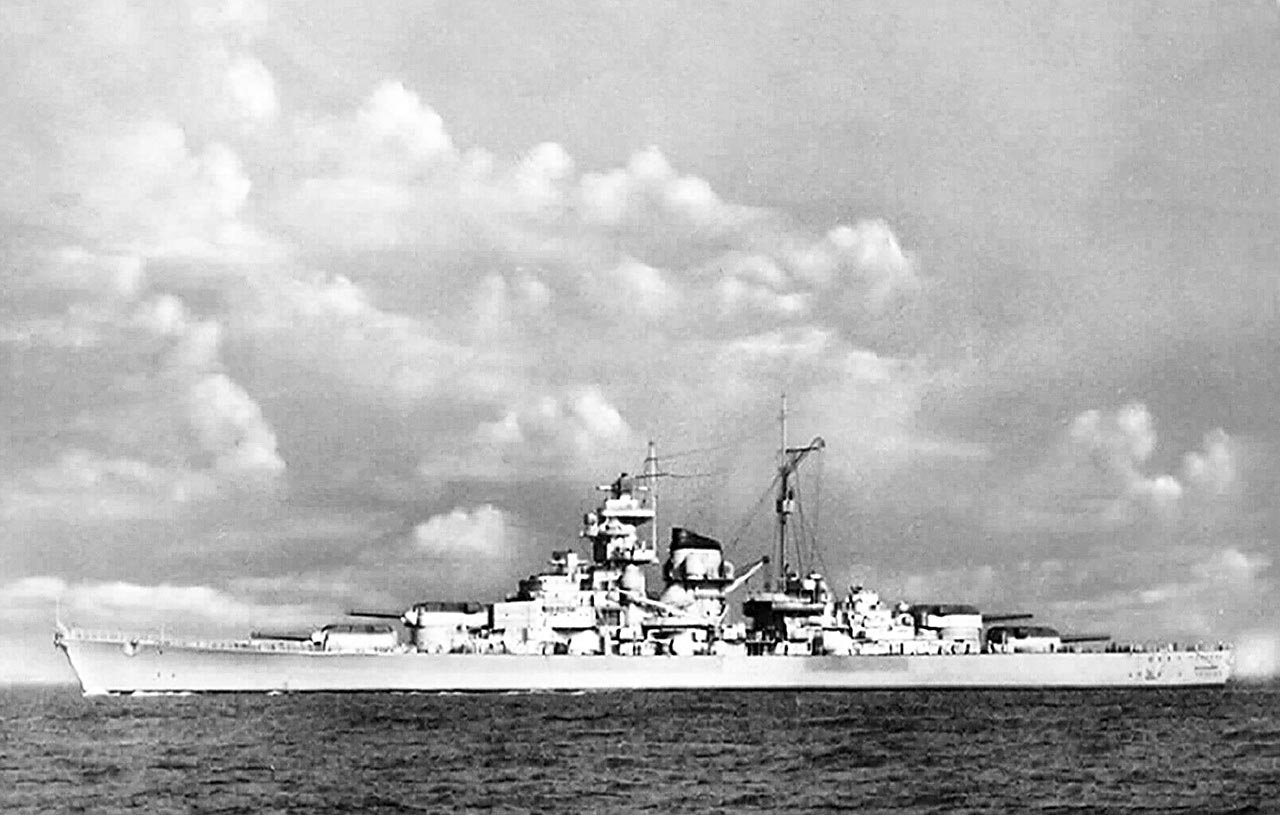
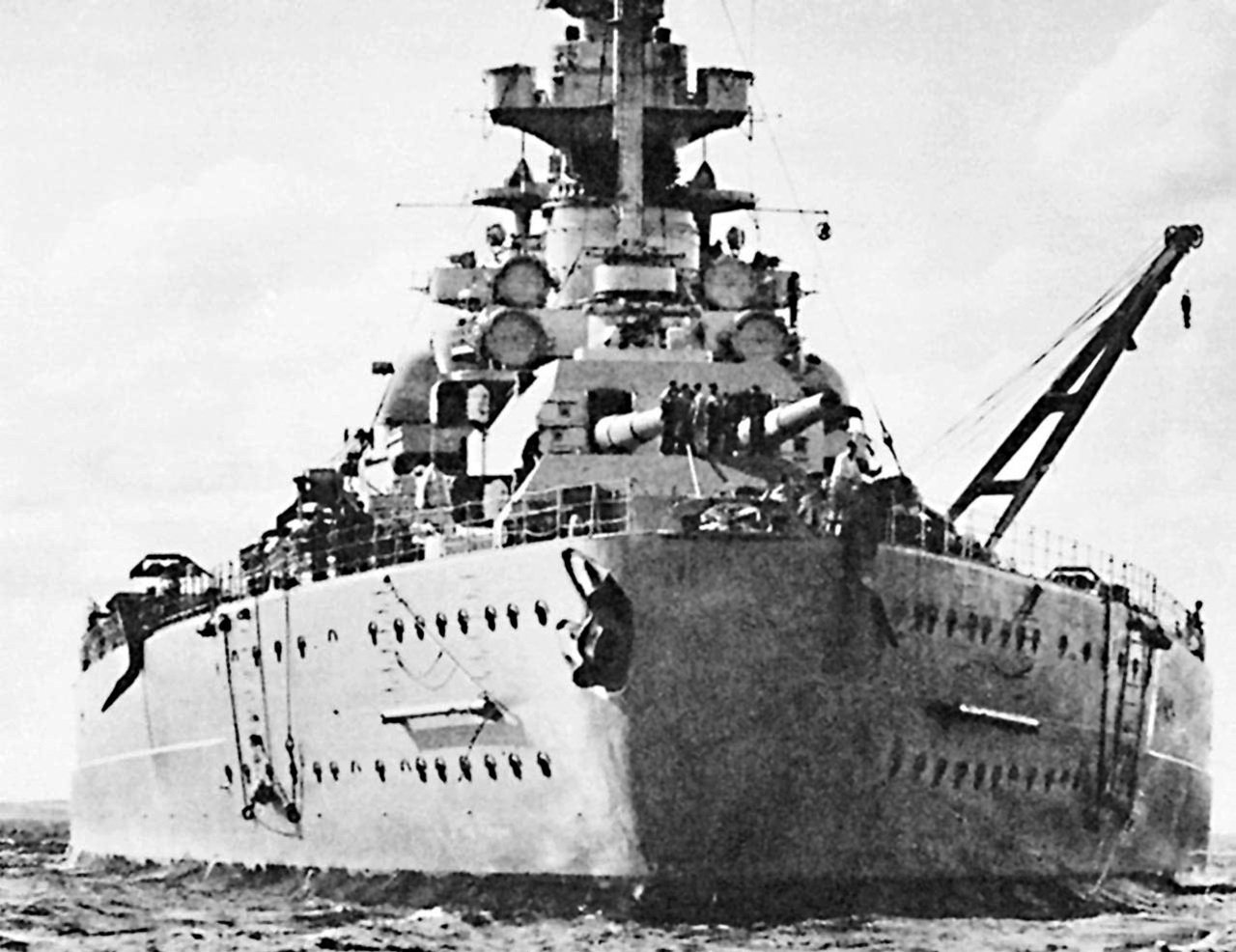
(Bismarck image). From his entry into politics, Hitler always proclaimed that if he ever came to power in Germany, one of his top priorities would be to restore the country’s autonomy by revoking the 1919 Treaty of Versailles, imposed by the victors of World War I. This measure materialized on March 16, 1935, when Germany unilaterally abrogated those obligations. This action led to the signing of a new Anglo-German Naval Agreement on June 13, 1935. This agreement with Great Britain limited the German Navy (Kriegsmarine) to a total tonnage of no more than 35% of that of the Royal Navy. Regarding capital ships (battleships), this meant that Germany would have 184,000 registered tons in this category.(Bismarck image). In June 1935, the Kriegsmarine had five battleships with a total registered tonnage of 83,000 tons, meaning they had 101,000 tons available for new ships. Of course, the limitations of the 1922 Washington Naval Treaty and the 1930 First London Naval Conference regarding the maximum displacement of capital ships (35,000 tons) remained in effect. With these figures, the Kriegsmarine could legitimately build three new ships of 35,000 tons each.(Bismarck 1/100 model image). Since 1932, the German Navy had been developing conceptual studies for new battleships, but it wasn’t until 1934 that the Construction Office initiated the development of two new 35,000-ton battleships designated “Schlachtschiff F and G”. The initial requirements called for a ship armed with eight 330mm guns and twelve 150mm guns in twin turrets, along with sixteen 105mm guns. Protection would consist of a 350mm main belt, a 100mm horizontal armored deck, 350mm barbettes, and a 400mm coning tower. Naturally, it soon became clear that these requirements could not be met on a ship limited to a displacement of 35,000 tons.(Bismarck drawing). Despite modifications to the design, including the requirement that the hull dimensions not be exceeded under any circumstances in accordance with existing locks, docks, and harbor facilities, it was concluded that the minimum displacement of the new battleships could not be less than 39,000 tons at best. Furthermore, following the abrogation of the Treaty of Versailles in 1935, the possibility of mounting 380mm main guns instead of 330mm was raised, which would have increased the displacement by another 1,500 tons. In April 1935, Admiral Raeder stated that the new ships would have a displacement of 41,000 tons and would be armed with eight 350mm guns in four twin turrets, although in May he mentioned that the armament would be 380mm guns.(Bismarck drawing). In addition to armament and protection, the type of propulsion also had to be carefully studied, with four different alternatives presented. In October 1935, it was planned that ship “F” would be laid down on July 1, 1936, to enter service in October 1939, while ship “G” would be laid down on January 1, 1937, to enter service in February 1940. Of course, it was always kept in mind that the new ships had to be superior to the new French battleships Dunkerque and Strassbourg, of 35,000 tons and armed with 330mm guns. Finally, in November 1935, a sketch design with the detailed characteristics of the Bismarck (ship F) was presented, and in June 1936, the same was done for the Tirpitz (ship G).(Bismarck image). The main characteristics of the battleship Bismarck are summarized in: -Displacement: standard 42,321 tons, battle-load 50,933 tons. -Dimensions: length overall 250.50 meters, waterline length 241.55 meters, waterline beam 36 meters, battle-load draft 10.17 meters. -Armament: eight 380/47mm guns in twin turrets, twelve 150/55mm guns in twin turrets, sixteen 105/65mm guns in twin turrets, sixteen 37/83mm guns in twin mounts, twelve 20/65mm guns in single mounts and four Arado-196 floatplanes. -Performance: maximum speed of 30.12 knots, shaft horsepower: overload 150,000 hp, range: 9,500 nautical miles at 19 knots, bunkerage: 8,294 tons. -Protection: 320mm main side belt, 95mm armor deck over magazines and 80mm armor deck over machinery.(Tirpitz image). Although the battleship Tirpitz is a sister ship of the Bismarck, its characteristics had slight variations, including the following: -Dimensions: length overall 253.60 meters, waterline length 241.72 meters. -Displacement: standard 43,344 tons, battle-load 50,954 tons. -Armament: eight 533mm torpedo tubes in quadruple mountings. -Performance: maximum speed of 30.80 knots at overload power, shaft horsepower: overload 165,000 hp, range: 9,125 nautical miles at 19 knots, bunkerage: 8,297 tons. -Protection: 315mm main side belt, 100mm armor deck over magazines.(Bismarck image). The Bismarck-class battleships were full-deck vessels with a tall superstructure that housed the conning tower bridge. The funnel was long and narrow, and behind it was another, smaller superstructure containing a small conning tower and the aftmast. Both ships had portholes in the topsides, on both the battery deck and the corridor deck. These battleships were constructed using electric arc welding, minimizing the use of rivets, which resulted in significant weight savings in the hull. Between 90 and 95% of their construction was done by welding, except for the torpedo bulkhead and the lower armor deck.(Bismarck image). These ships were fitted with “Atlantic bows” during their construction. These bows were more suitable for crossings of the North Sea and the Atlantic Ocean, allowing for safe navigation in heavy seas. The clipper-type bow led to a novel anchor arrangement, with one anchor located on the stem and the other two on deck, approximately at frame 233, and were launched mechanically through recesses cut into the hull. This arrangement left the bow free of major projections or recesses that could generate spray while underway. They also carried another anchor on the port side of the stern.(Bismarck image). Structural materials were chosen with weight savings in mind. For example, all steel 20mm thick or greater was high-tensile steel unless otherwise specified, and thinner sections were made of mild steel. The upper parts of the vessel and the longitudinal framing were constructed of high-strength steel to reduce weight while maintaining sufficient structural strength. Joiner bulkheads in the living spaces were made of lightweight material, and aluminum was used for furniture in the staterooms and mess areas, with the exception of chairs.(Tirpitz image). These gigantic ships required a massive complement of 1,927 members, which increased to 2,106 when serving as the flagship. Furthermore, they could carry up to 2,500 additional people on board for a single day if necessary, although the sleeping quarters could only be configured for a maximum of 1,600 extra people. The Bismarck-class ships were equipped with all kinds of onboard services, such as laundry, a canteen, a sick bay, a photographic laboratory, shoe repair, sewing, workshops, a dental clinic, and various kitchens and dining rooms.(Bismarck drawing). These battleships were equipped with an air conditioning system for the sick bay, wardroom, and photographic laboratory. They also had a ventilation system consisting of 230 electrically driven exhaust and supply blowers, 33 of which were located in the machinery spaces. Eighteen supply blowers and three exhaust blowers had air coolers. The ventilation ducts were fitted with watertight closure devices to maintain watertight integrity above the battery deck. Below the armored deck, the ventilation ducts were installed vertically to avoid passing through the main traverse watertight bulkheads.(Bismarck image). These two battleships were built with a double bottom 1.70 meters deep (1.20 meters at the fore-ends) extending for 83% of the ship’s length. It was all welded and oil and water tight as required, according to the liquid stowage arrangements. The ship was of longitudinal construction with nine longitudinal frames on each side of the keel. Watertight integrity and damage control were conferred by the subdivision of the hull into 22 separate watertight compartments. The upper deck was covered with 75mm teak planking from the stern to frame 233.(Tirpitz image). The Bismarck-class battleships were of the “fast battleship” type and, as such, were equipped with a high-powered propulsion plant. From the outset, it was clear that a diesel geared drive could not provide the necessary power, so the use of a turbo-electric plant operating with high-pressure, high-temperature steam was studied. After weighing the advantages and disadvantages of this type of propulsion, it was decided to incorporate it into the project, instructing Siemens-Schuckert Werke in Berlin to manufacture machinery capable of switching from full speed ahead to full speed astern in less than 20 seconds,a truly impressive feat for the time.(Bismarck drawing). After reviewing the Kriegsmarine’s requirements, Siemens-Schuckert Werke decided to withdraw from the project, refusing to accept the responsibility of building the turbo-electric power plant within the contract’s specified timeframe. The company feared that the motor windings would overheat and become unusable during the full-speed ahead to full-speed astern maneuver. Furthermore, German naval engineers indicated that maintaining the turbo-electric drive was far more complex than maintaining a comparable geared-turbine plant, and that repairs and replacements on a ship with heavy side and deck armor would be extremely difficult. Therefore, it was decided to incorporate a high-pressure, high-temperature geared-turbine drive similar to that installed on the Scharnhorst-class battleships.(Bismarck image). The Bismarck-class propulsion plant was the most advanced installed on a battleship in Europe to date, characterized by its higher power output, high speed, high reliability, and improved fuel economy. The plant consisted of 12 Wagner type watertube boilers built by Blohm & Voss (Bismarck) and Wilhelmshaven Naval Yard/Deschimag (Tirpitz). They were distributed in six watertight compartments forward of the three engine rooms. These oil-fired boilers with natural circulation were quick-start type, designed to be ready for service within 20 minutes of light off and were fitted with two Saacke burners. They were of lightweight construction and generated steam at 445°C and a pressure of 58 kg/cm². The plant offered different boiler configurations, with two boilers per shaft typically used for cruising speeds between 19 and 21 knots, increasing the number as required. For speeds above 27 knots, all boilers were used.(Tirpitz image). These battleships carried three sets of lightweight Curtiss turbines installed in three watertight compartments. The Bismarck’s turbines were manufactured by Blohm & Voss, and the Tirpitz’s by Brown Boveri. These turbines consisted of a high-pressure unit, an intermediate-pressure unit, and a double-flow low-pressure unit, and featured a cast-steel reduction gear. These battleships lacked cruising turbines, and each turbine set was coupled to a shaft, developing a maximum power of 46,000 hp, although they were normally tuned for 38,000 hp.(Tirpitz image). The type of turbines installed resulted in poor utilization of the high-pressure, high-temperature steam, leading to high fuel consumption at cruising speed. The Bismarck developed a maximum power of 150,000 shp, while the Tirpitz developed 165,000 shp. At normal power, 138,000 shp, it achieved a speed of 29 knots. During trials at full displacement of 51,700 tons, the Bismarck achieved a maximum speed of 30.12 knots, while the Tirpitz reached 31 knots at a maximum displacement of 53,200 tons, thanks to its greater maximum power.(Tirpitz image). The battleship Bismarck carried 8,046 metric tons of fuel, of which 7,400 were usable, while Tirpitz carried 8,297 metric tons, of which 7,780 were usable, as the remainder could not be pumped out. The Bismarck’s range was 8,525 nautical miles at 19 knots, 6,640 nautical miles at 24 knots, and 4,500 nautical miles at 28 knots. The Tirpitz’s range was slightly greater, at 8,870 nautical miles at 19 knots, 6,963 nautical miles at 24 knots, and 4,728 nautical miles at 28 knots. These battleships carried an auxiliary boiler located on the lower platform deck that generated auxiliary power in emergencies. Electric power was generated by 5 turbo-generators of 690 kW each, 1 turbo-generator of 470 kW and 8 diesel generators of 500 kW each for a total power of 7,920 kW. The normal electrical load was 3,920 kW at 220 volts, DC.(Bismarck image). The armor protection of the Bismarck-class battleships was carefully designed, with an emphasis on close-range engagements and torpedo protection. These two battleships used a new type of armor plate that included molybdenum in its composition, making them 25% stronger than the armor plates used on WWI battleships. The armor protection scheme was of the “turtle-deck” type, used on other WWI battleships and the Scharnhorst class. The armor weighed approximately 17,000 tons, representing 37% of the design displacement. Horizontal protection consisted of a system of two armored decks separated by a non-ballistic deck and torpedo protection consisted of a vertical bulkhead rather than an inclined one and was very similar to that of the Scharnhorst-class battleships.(Bismarck image). The main side belt was vertical, with the bulge incorporated into the lower underwater hull structure, and a thinner upper citadel belt superimposed between the two upper decks. The armor belt extended for 68% of the waterline length and was divided into an upper citadel belt and a lower mainside belt, representing the greatest use of side armor on a ship to date. The armor had a vertical height of 3.60 meters and extended 1.60 meters below the design waterline. The lower belt was heavier and constructed of case-hardened nickel steel, with a maximum thickness of 320 mm on Bismarck and 315 mm on Tirpitz. The thickness of the mainside belt tapered to 170 mm over a vertical distance of 1.60 meters. This belt had a 60mm wooden backing, and the armor plates were bolted to the side structure by armor bolts 50 to 70 mm in diameter.(Bismarck image). The upper citadel deck was 145mm thick and constructed of nickel-steel, extending from the battery deck to the upper deck. Its purpose was to protect uptakes and some ammunition-handling spaces located above the battery deck from medium-caliber shells fired by cruisers and destroyers at close range. These battleships also had armor around the waterline by means of splinter belts installed in the side plating. An 80mm thick lower side belt extended beyond the steering gear room. This face-hardened armor belt extended from 0.60 meters above the lower armor deck to 1.50 meters below the design waterline. Forward of the citadel was a 60mm thick splinter belt of face-hardened armor that reached the stem for a vertical distance of 3.90 meters.(Bismarck image). The deck armor system differed from that of the preceding Scharnhorst class. In the central and machinery areas, it consisted of a 50mm thick upper deck followed by a non-ballistic deck, and beneath this, an 80mm thick armored deck. The magazine area was reinforced and comprised a 50mm upper deck, the non-ballistic deck, and a 95mm armored deck on the Bismarck, and a 100mm armored deck on the Tirpitz. The armor slopes were increased to compensate for the reduced thickness of the main side belt compared to the Scharnhorst class, reaching 110mm on both ships.(Tirpitz image). The horizontal protection also included a splinter deck that extended beyond the front and rear armored bulkheads as a continuation of the lower armor deck. This deck consisted of plates 60mm thick forward and 80mm thick rear to improve protection of the steering gear, shafts, and rudders. The funnel area and air intake shafts were also reinforced with homogeneous armor plate perforated with holes, which did not increase weight and offered adequate protection even against direct impacts. The conning tower was heavily armored, with the sides of 350mm thick and the roof of 200mm thick constructed of face-hardened armor steel. From this space ran a communication tube, made of the same material and 1 meter in diameter, extending to the lower armor deck. The after conning tower had thinner armor, with a roof of 50mm thickness and sides of 150mm, and also featured a communication tube, 80cm in diameter.(Bismarck image). The Bismarck and Tirpitz’s armor protection also included three armored bulkheads, one at each end of the armored citadel and another at the rear of the steering room. These bulkheads enclosed the citadel and extended from one meter below the lower armor deck to the level of the upper deck. Their thickness varied, and sections over 100 mm thick were made of face-hardened steel.